
Pablo Neruda
Pablo Neruda (1904–1973) was a Chilean poet, diplomat and Nobel laureate celebrated for sensual love lyrics, large-scale political poems and his influence on 20th‑century Spanish‑language literature.
Pablo Neruda was the pen name of Ricardo Eliécer Neftalí Reyes Basoalto (1904–1973), a major figure in 20th‑century Spanish‑language poetry. Born in Chile, he combined intimate, sensuous lyricism with overtly political and historical verse. His work won the Nobel Prize and has been widely translated, contributing to his international reputation.
Image gallery
10 Images


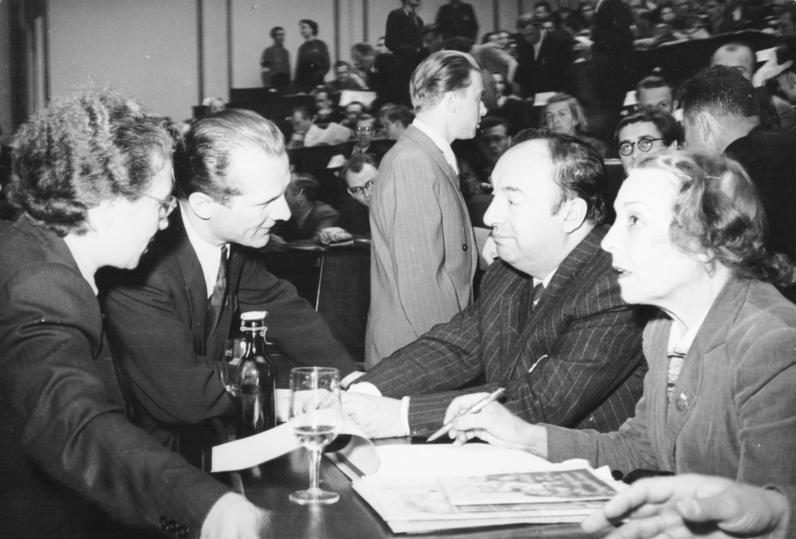
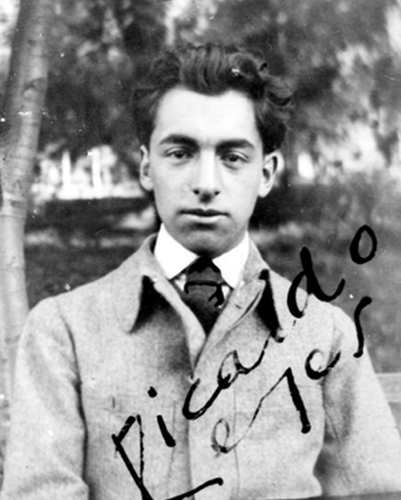
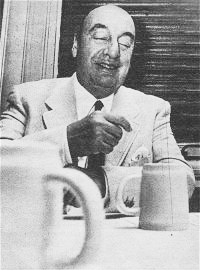
Style and themes
Neruda's writing ranges from short love poems to epic narratives and political cantos. He is known for vivid imagery, unconventional metaphors and a voice that moves between private longing and public engagement. Critics emphasize his ability to make the personal political and to use everyday objects as symbols.
Major works
- Twenty Love Poems and a Song of Despair — early lyric collection that brought him fame.
- Canto General — an expansive epic about Latin American history and landscape.
- Collections of odes, memoirs and later overtly political writings.
Readers and scholars often point to his accessibility and musical lines as reasons for his broad appeal. He wrote in Spanish, and translations helped his work reach readers worldwide. His poetry appears in classrooms, anthologies and cultural discussions across many languages.
Life and public role
Neruda held diplomatic posts, served as a senator and was an active member of leftist political movements in his country. His public commitments informed poems that address social injustice, exile and solidarity. Biographical accounts note periods of travel and official service alongside times of political exile and confrontation with government power — a life in which art and activism intersect.
He received the Nobel recognition in literature and remains a subject of study for his artistic range and cultural impact. Contemporary interest also considers historical debates surrounding his political affiliations and the circumstances of his death in 1973. For further context about his nationality and role in Chilean culture see Chilean literary histories and general resources on the poet.
Related articles
Author
AlegsaOnline.com Pablo Neruda Leandro Alegsa
URL: https://en.alegsaonline.com/art/73892
Sources
- commons.wikimedia.org : Pablo Neruda
- enotes.com : Pablo Neruda Study Guide
- reelyredd.com : Ode To My Socks