
Paco de Lucía — Spanish flamenco guitarist and innovator
Francisco Sánchez Gómez (Paco de Lucía), born 1947 in Algeciras, transformed flamenco guitar with technical mastery and cross-genre collaborations. A seminal figure in modern flamenco; died 2014 in Cancún.
Paco de Lucía was the professional name of Francisco Sánchez Gómez (21 December 1947 – 25 February 2014), a Spanish guitarist widely regarded as one of the most influential figures in flamenco music. Born in Algeciras in the region of Andalusia, he combined traditional flamenco forms with broader harmonic and rhythmic ideas, helping to bring the art form to international audiences. For a concise overview of his life and work see biography resources.
Image gallery
9 Images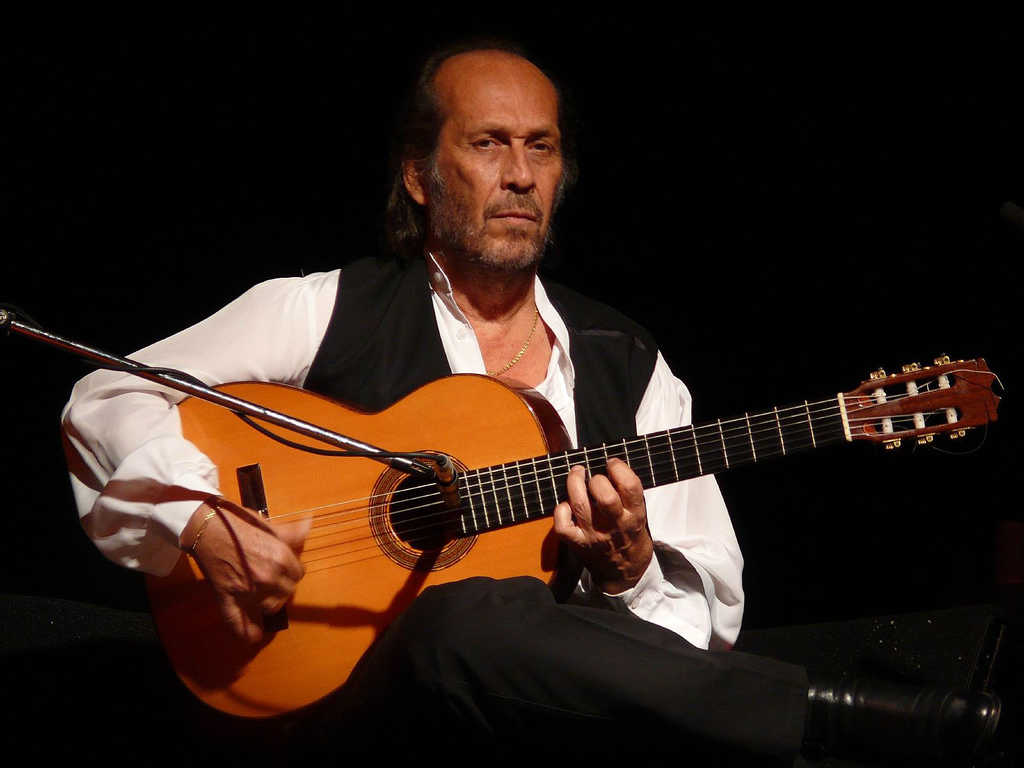


Musical style and techniques
Paco de Lucía was noted for exceptional technical control and a clean, rapid right-hand technique applied to flamenco-specific gestures such as rasgueado, picado and complex rhythmic accompaniment known as compás. He favored the nylon-string guitar and expanded its harmonic palette, incorporating jazz and classical influences into traditional flamenco structures. His approach emphasized both virtuosic solo passages and sensitive accompaniment of singers.
Career highlights and collaborations
He began performing at a young age in a musical family and rose to prominence through recordings and partnerships. A long-standing collaboration with flamenco singer Camarón de la Isla helped define the modern flamenco song. He also reached wider audiences through cross-genre projects, notably working with jazz and fusion guitarists and appearing on widely circulated live recordings. One of his best-known instrumental pieces, a popular flamenco rumba, became a crossover hit in the 1970s.
- Key recordings and performances that introduced flamenco to new listeners.
- Collaborations with international jazz and fusion artists that broadened stylistic boundaries.
- Innovations that influenced generations of guitarists and teachers.
Paco de Lucía received widespread recognition and numerous honors during his career and is often cited as a defining influence on late 20th-century flamenco. Institutions, guitarists and festivals continue to study and celebrate his recordings and techniques. For more on flamenco technique and history see flamenco resources.
He died unexpectedly of a heart attack while on holiday in Cancún, Mexico, on 25 February 2014. His legacy remains present in concert programs, academic studies and the continued popularity of flamenco guitar around the world.
Related articles
Author
AlegsaOnline.com Paco de Lucía — Spanish flamenco guitarist and innovator Leandro Alegsa
URL: https://en.alegsaonline.com/art/73947