
Oxford East (UK Parliament constituency)
A UK parliamentary constituency covering the eastern and central areas of Oxford. Overview of its boundaries, demographics, political history, and notable places and issues.
Overview
Oxford East is a parliamentary constituency that returns one Member of Parliament to the House of Commons of the UK Parliament. It covers the eastern and central parts of the city of Oxford and combines dense urban neighbourhoods, university-related districts and suburban residential areas. The seat has been represented in modern times by figures associated with the Labour Party; long-serving MP Andrew Smith is one of the better-known recent representatives of the constituency.
Image gallery
4 Images


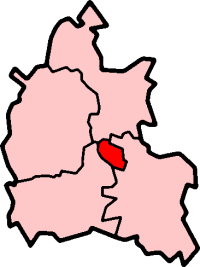
Boundaries and physical profile
The constituency generally includes wards to the east of Oxford city centre and reaches into communities such as Cowley, Headington, Marston and parts of the inner suburbs and council estates. Boundaries have been adjusted periodically by the Boundary Commission, so precise ward lists may change between reviews. Physically the area mixes Victorian and post-war housing, large hospital and academic campuses, and commercial and light industrial zones.
History and political representation
Oxford East was created as a distinct seat in the early 1980s as part of a wider reorganisation of constituencies. Since that time its political fortunes have reflected the combination of a substantial student and academic population alongside established suburban and working-class communities. This mix has produced contests in which both Labour and Conservative appeal has been important, though the seat has often been held by Labour in recent decades. The Labour Party has been a major force locally, and the constituency has been represented by Labour MPs, including Andrew Smith, who served the area for a number of parliamentary terms.
Demographics, economy and institutions
The presence of higher education institutions and major hospitals shapes the local economy and demographics. The constituency includes university colleges and research facilities, teaching hospitals and campuses of other educational institutions. Local employment draws on health, education, research, retail and light manufacturing. The student and academic population tends to produce politically active communities, while long-established estates and family neighbourhoods contribute different electoral priorities.
Political character and main issues
Key issues in Oxford East commonly include housing and affordability, transport links and congestion, provision and funding for health and education, and planning for research and science facilities. Electoral contests can be affected by student turnout, local campaigning on housing or transport, and national party trends. Voters in the seat often weigh local service provision alongside broader national policies when choosing their MP.
Notable places and distinctions
- Major hospitals and medical research centres that anchor local employment and services.
- University-related colleges and teaching facilities that contribute to the constituency's demographic mix.
- Mixed residential areas ranging from suburban streets to large council estates and student housing.
For more on the role of this constituency in UK parliamentary business and party representation see materials on the House of Commons, the UK Parliament and information provided by the Labour Party and other local political organisations.
Related articles
Author
AlegsaOnline.com Oxford East (UK Parliament constituency) Leandro Alegsa
URL: https://en.alegsaonline.com/art/73801
Sources
- oxford.gov.uk : oxford.gov.uk
- bbc.co.uk : Election result, 2015
- news.bbc.co.uk : Election result, 2010
- news.bbc.co.uk : Election result, 2005
- news.bbc.co.uk : Election results, 1997–2001
- election.demon.co.uk : Election results, 1997–2001
- election.demon.co.uk : Election results, 1983–1992