
Tipi: Portable Conical Dwellings of the North American Plains
A tipi (tepee, teepee) is a conical, portable tent developed by Indigenous peoples of the North American Plains, notable for its pole-and-cover construction, smoke flaps, decorated hides, and cultural significance.
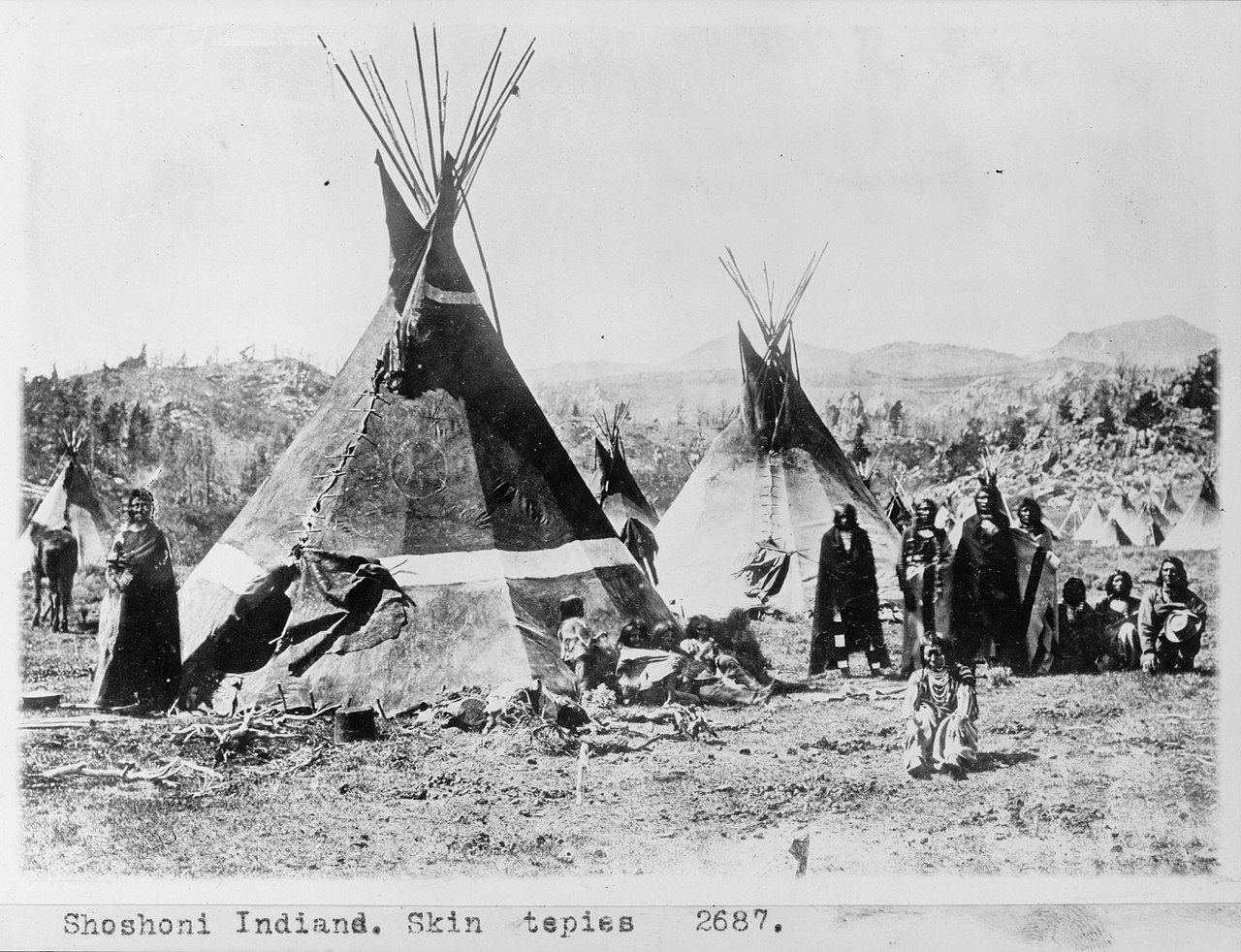
A tipi (also spelled tepee or teepee) is a cone-shaped, portable dwelling traditionally used by Indigenous peoples of the North American Great Plains. Its design balances lightweight portability with weather resistance and a central hearth for warmth and cooking. Because of their portability, tipis were well suited to the seasonal movements of hunting societies, especially those that followed bison herds.
Image gallery
10 Images





Design and construction
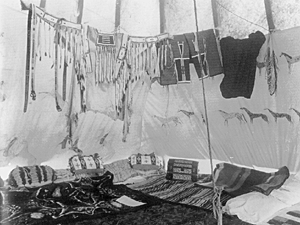
Tipis are constructed from a framework of long wooden poles arranged in a conical shape and covered with a sewn hide or cloth cover. Historically the covers were buffalo hides; after the arrival of European trade goods canvas and other textiles were often used. Key features include a smoke hole at the top and adjustable smoke flaps that can be angled to direct ventilation, and a front flap that serves as a doorway. Interiors commonly feature a central hearth, and many tipis used an inner lining to improve airflow and insulation.
Parts and characteristics
- Poles: Long, load-bearing wooden poles form the cone and allow rapid assembly and disassembly.
- Cover: Several hides or a single canvas piece tied around the poles; often decorated with paint or symbols.
- Smoke flaps: Two triangular flaps near the apex that can be adjusted for ventilation and to shed rain.
- Floor plan: Usually circular; sleeping and storage areas are arranged around the fire.
History and cultural significance
Tipis emerged among the nomadic and semi-nomadic peoples of the Plains where mobility was essential. The specific form and decorative styles varied among nations such as the Lakota, Blackfoot, Cheyenne and others. Painted designs on coverings frequently had personal or spiritual meanings, and the arrangement of camps into circles held social and cosmological importance. Tipis were more than shelters; they were central to daily life, ceremony, and identity.
Uses, adaptations, and modern contexts
While tipis are rarely used today as permanent family homes, they remain important for ceremonial, educational and recreational purposes. They appear at powwows, historical reenactments, cultural centers and as seasonal or temporary accommodations. Contemporary Indigenous artisans continue to make and decorate tipis, maintaining traditional techniques while sometimes incorporating modern materials for durability.
Distinctions and notable facts
Tipis are often contrasted with other Indigenous North American shelters: wigwams or wickiups (dome-shaped, built from bent poles and bark or mats) and structures such as the circular yurt from Eurasia. The tipi’s conical profile is especially good at shedding wind and snow, making it well suited to the open plains. For general information about portable shelters see tent, and for regional cultural context see Great Plains.
Respectful engagement with tipis includes acknowledging their cultural origins, allowing Indigenous communities to lead in presentations of history and meaning, and recognizing contemporary uses that blend tradition with present-day life.
Related articles
Author
AlegsaOnline.com Tipi: Portable Conical Dwellings of the North American Plains Leandro Alegsa
URL: https://en.alegsaonline.com/art/100050