
Othello — Shakespeare’s Tragedy of Jealousy and the Moor of Venice
A concise encyclopedic overview of Shakespeare’s Othello: plot, characters, historical background, themes, and cultural influence, including notable adaptations and performance history.
Overview
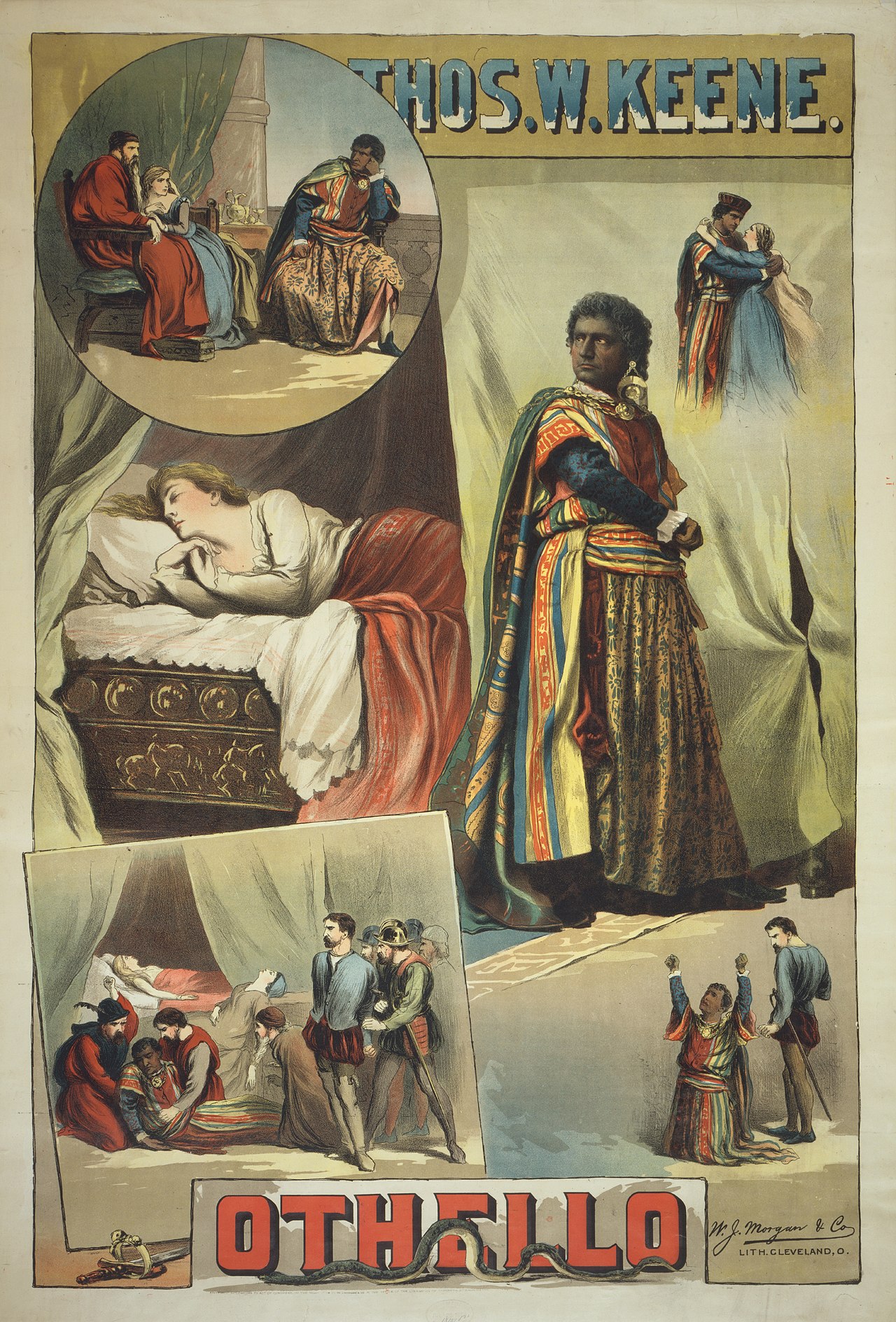
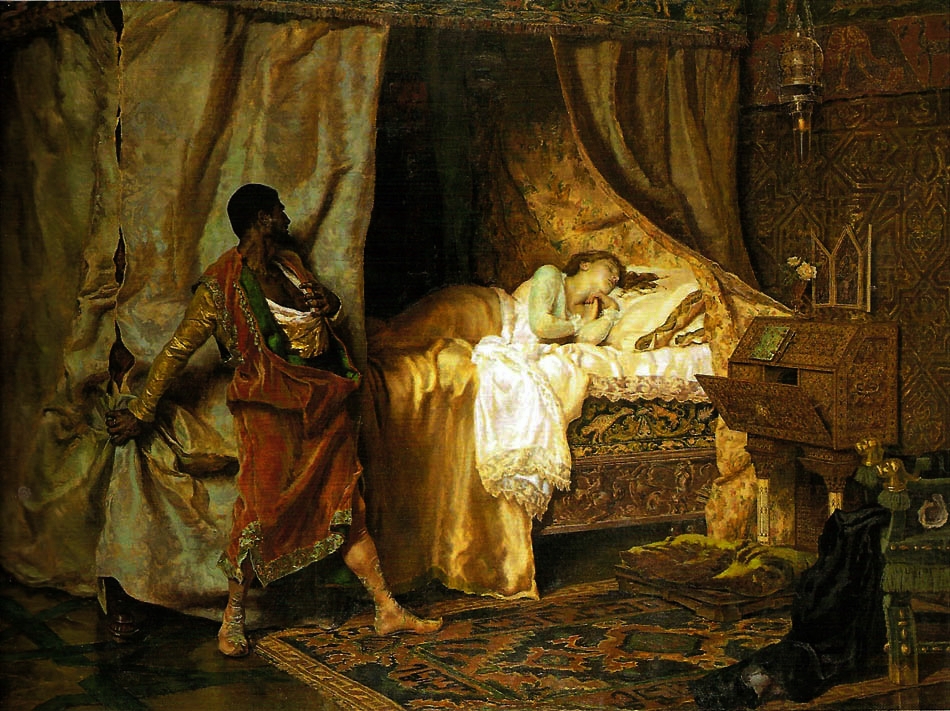
Othello, often given the longer title The Tragedy of Othello, the Moor of Venice, is a tragedy by William Shakespeare written in the early 17th century. The play centers on Othello, a respected military leader of North African origin in the service of Venice, and traces his fall from grace after he is manipulated into believing his wife is unfaithful. The story moves quickly between Venice and the island of Cyprus and unfolds across five acts in Shakespeare’s characteristic early modern English.
Image gallery
10 Images






Characters and Structure
The principal figures drive the moral and psychological action. Key characters include:
- Othello — a Moorish general whose honor and reputation are central to the plot;
- Desdemona — his wife, notable for her fidelity and tragic end;
- Iago — Othello’s ensign and the play’s principal antagonist, whose deceit catalyzes the tragedy;
- Emilia, Cassio, and Roderigo — supporting figures whose actions and loyalties affect the outcome.
Origins and Early Performance
The plot is broadly related to an Italian tale by Cinthio, and Shakespeare adapted it into a dramatic study of suspicion and character. The work is commonly dated to about 1603–1604 and is believed to have been staged at court; contemporary records indicate a significant early performance at Whitehall Palace on 1 November 1604 (performance record) and connections to courtly patronage (Whitehall). Its composition reflects Shakespeare’s late tragedies in tone and complexity.
Themes, Style, and Significance
Othello examines jealousy, race, honor, trust, and the corrosive power of manipulation. Iago’s psychological cunning and the play’s intense focus on reputation and private emotion make it a frequent subject of critical study. The language ranges from rhetorical speeches about love and war to terse exchanges that heighten tension; its concentrated psychological drama distinguishes it among Shakespeare’s tragedies.
Performance History and Adaptations
The play has a long and varied performance history, including stage revivals, film and television adaptations, and operatic reinterpretation. A notable television production appeared on Masterpiece Theater, while Giuseppe Verdi’s opera Otello reworks Shakespeare’s narrative for the 19th-century operatic stage. Productions have addressed issues such as casting, race, and staging conventions; historically, portrayals of Othello have reflected changing social attitudes toward race and representation.
Notable Distinctions
Othello is often grouped with Shakespeare’s major tragedies for its tragic structure and moral intensity. Its relatively compact plot and focus on a single damaging emotion—jealousy—make it a powerful study of human weakness. Scholars and practitioners continue to revisit the play for its dramatic craftsmanship, ethical ambiguity, and continuing relevance to discussions of identity, power, and betrayal.
Related articles
Author
AlegsaOnline.com Othello — Shakespeare’s Tragedy of Jealousy and the Moor of Venice Leandro Alegsa
URL: https://en.alegsaonline.com/art/73497