
Public Broadcasting Service (PBS) — United States public television network
PBS is a nonprofit public television network in the United States that distributes educational, cultural and news programming through local member stations and public funding.
Overview
The Public Broadcasting Service (PBS) is a nonprofit public television network in the United States that provides programming to a nationwide system of locally operated member stations. PBS was created as a successor to earlier educational television efforts and was established to coordinate the distribution of noncommercial, educational and cultural television across the country. Its headquarters and national operations are associated with a central location often cited by coordinate records; see location details for reference.
Image gallery
1 Image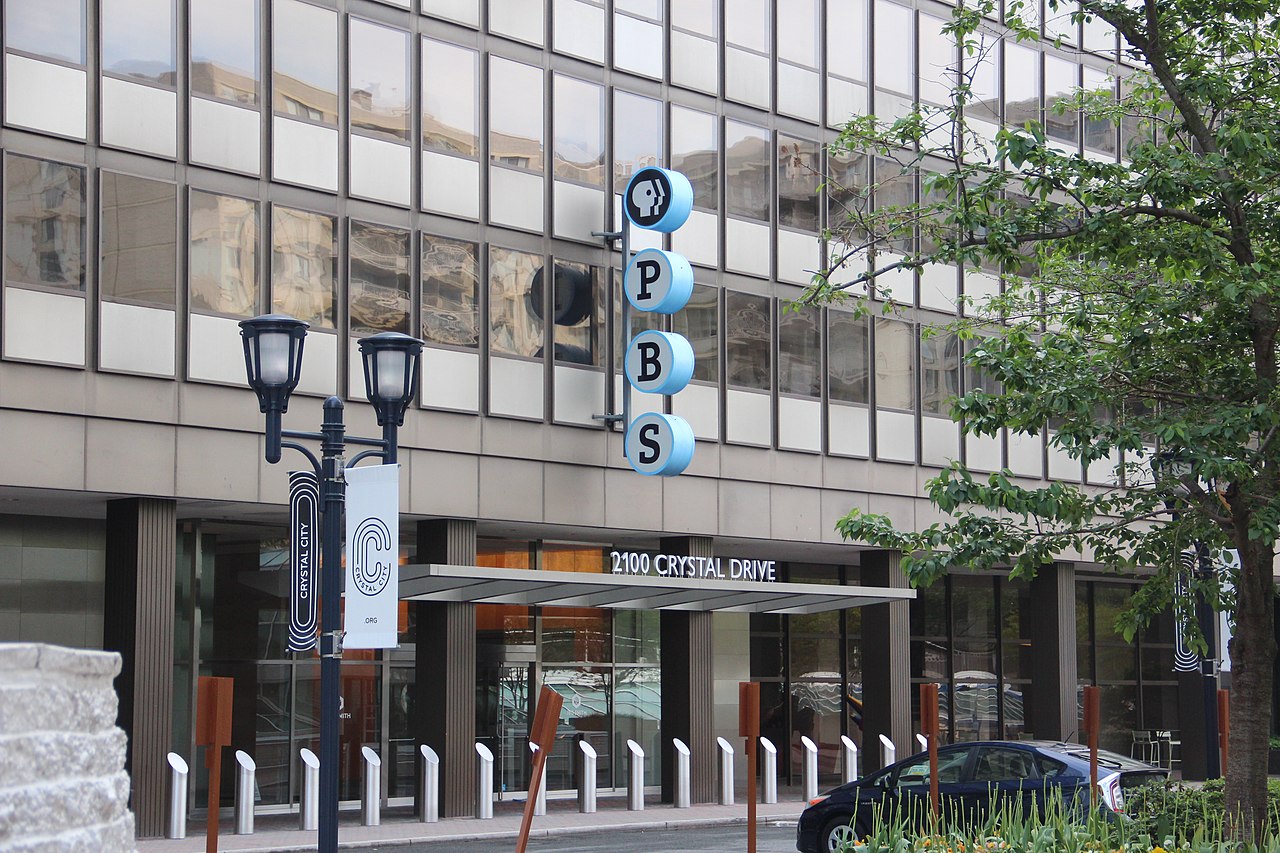
Structure and programming
PBS does not operate like a single commercial network. Instead, member stations are locally owned and licensed, and they choose much of their schedule from programs distributed by PBS. Typical sources of support include viewer contributions, donations from foundations and corporations (underwriting), state or local grants, and federal support routed through entities established to support public media. For discussion of public media generally, see public broadcasting.
Programming on PBS covers a range of genres and audiences. Common categories include:
- Children's educational shows that combine entertainment and early learning.
- Documentaries and science series that explore history, nature and technology.
- News and public affairs programs offering in-depth reporting and analysis.
- Arts, music and cultural presentations reflecting local and national traditions.
History and development
PBS emerged from an expanding effort to support noncommercial educational broadcasting. Legislation and policy in the 1960s helped create an infrastructure for public media, and PBS was established to distribute programs and services across member stations. Over the decades it has become associated with several long-running and influential series that exemplify its educational and cultural mission.
Role, uses and examples
Local member stations often produce regionally focused content while also airing nationally distributed series. PBS programming is widely used by teachers, parents and community organizations for informal and formal learning. Examples of widely recognized programming types include children’s literacy and numeracy shows, prime-time documentary strands, and investigative or public affairs reporting. The radio counterpart to PBS in the United States is often cited as NPR, which serves a parallel role for public radio.
Distinctive features and contemporary changes
Key distinctions between PBS and commercial networks include its nonprofit status, emphasis on education and culture rather than commercial advertising, and a decentralized station membership model. In recent years PBS has expanded beyond broadcast into digital and streaming distribution while member stations continue to provide locally relevant services. For information on television as a medium broadly, see television.
Because PBS is a network of independent stations, its schedule and services can vary by market. That combination of national programming and local production is central to its mission of serving diverse educational and cultural needs across the country.
Related articles
Author
AlegsaOnline.com Public Broadcasting Service (PBS) — United States public television network Leandro Alegsa
URL: https://en.alegsaonline.com/art/75312