
1604
Overview of the year 1604: major political settlements, scientific observations such as Kepler's supernova, cultural developments in the Jacobean era, and broader global context.
1604 was an early seventeenth-century year marked by diplomatic realignments in Europe, notable astronomical observation, and continuing cultural shifts as the Jacobean age took shape. It sits in the aftermath of Elizabethan England and during a period of consolidation for several states and empires worldwide.
Image gallery
8 Images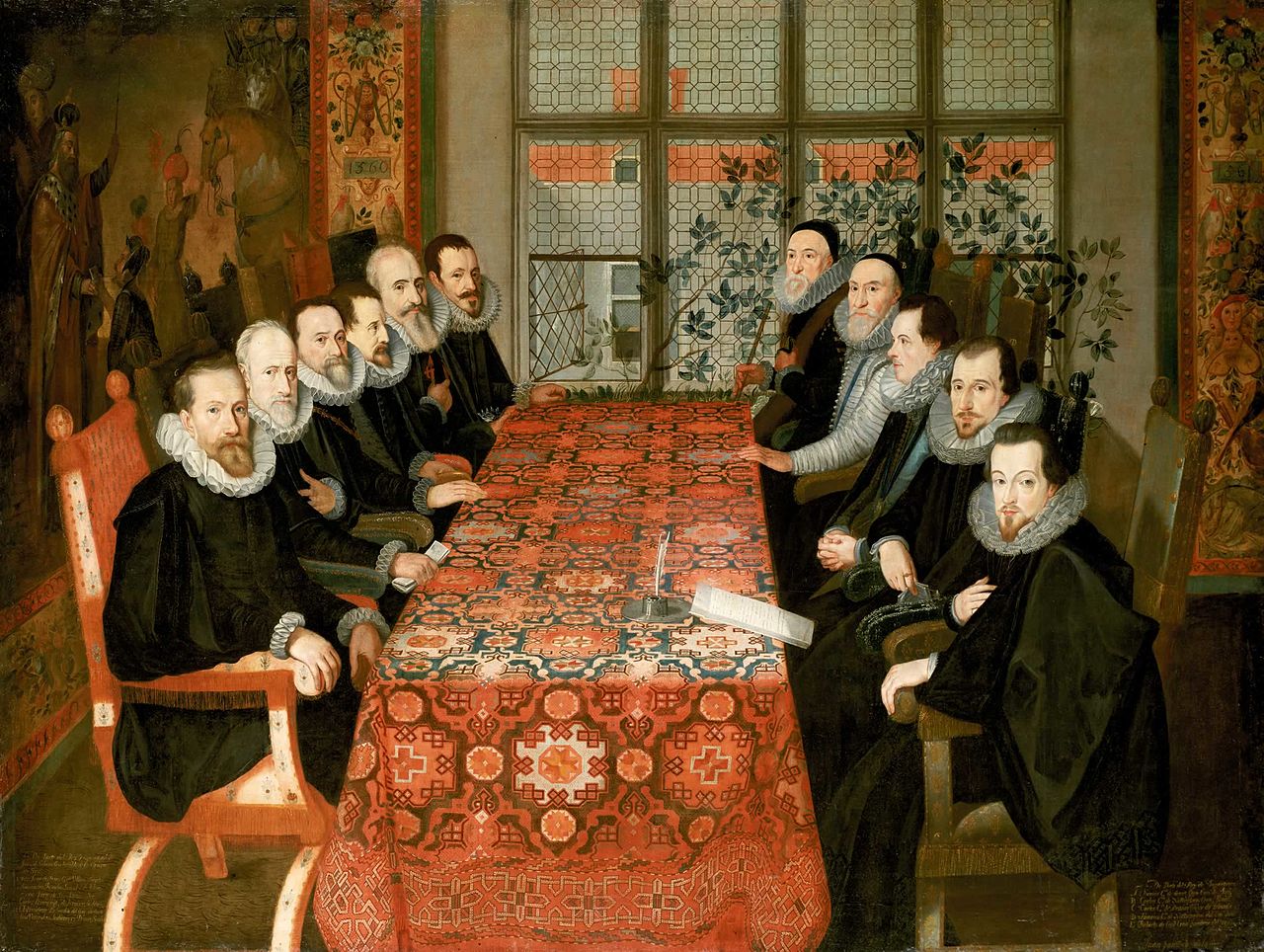




Major political events
One of the most consequential outcomes of 1604 was the negotiation that ended the long Anglo–Spanish conflict. The peace that followed reduced the immediate threat of large-scale naval warfare between England and Spain and altered trade and diplomatic priorities. In England, the new Stuart monarch, James I, presided over political and religious debates that shaped policy for the decade to come.
Religion and reform
The Hampton Court Conference, convened in 1604, brought church leaders and the king together to discuss grievances in the Church of England. Its proceedings led to the decision to produce a new, authorized translation of the Bible—work that culminated in the King James Version in the following decade.
Science and culture
In astronomy, observers recorded an apparent new star in 1604—now referred to as Kepler's Supernova (SN 1604). It attracted the attention of Johannes Kepler and others and contributed to investigations about the heavens that challenged earlier cosmologies. In the arts, the early Jacobean theatre continued to flourish: scholars date several major plays by William Shakespeare and his contemporaries to around this period.
Global context and notable trends
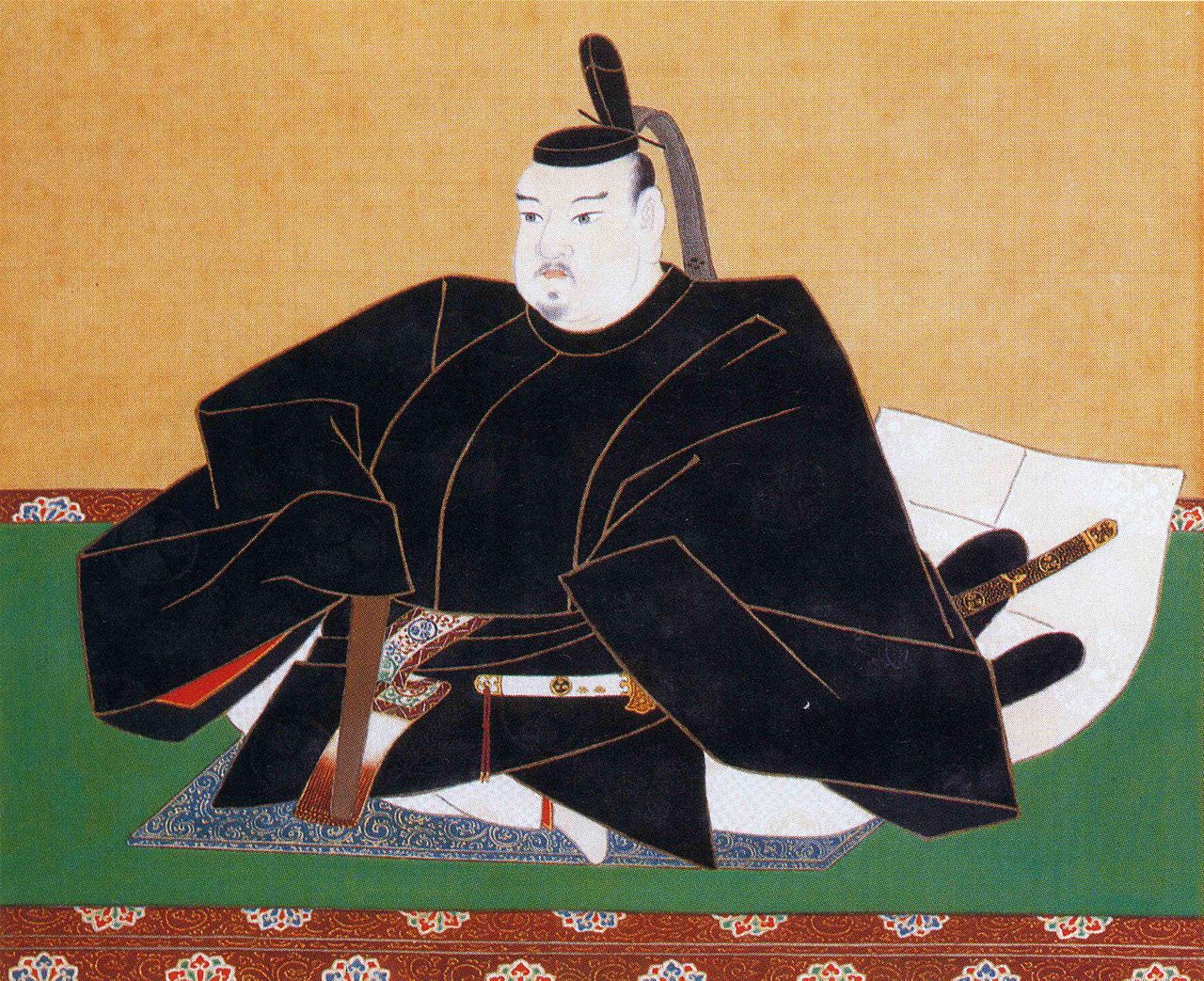
- East Asia: the Tokugawa regime in Japan was consolidating power after the turn of the century.
- Exploration and trade: European companies and states continued to expand maritime commerce, setting the stage for intensified global exchange.
- Cultural shift: the transition from Elizabethan to Jacobean styles affected literature, court culture, and religious policy.
While 1604 did not have a single defining event worldwide, it was a year of important transitions—peace settlements, religious negotiations, scientific observation, and artistic activity—that influenced developments across the seventeenth century.
Related articles
Author
AlegsaOnline.com 1604 Leandro Alegsa
URL: https://en.alegsaonline.com/art/111539