
Animator: roles, techniques, and the animation production pipeline
An animator designs motion by creating and sequencing images. This article explains types of animation, production roles, tools, history, and common career paths in film, TV, games, and online media.
An animator is a creative practitioner who brings images to life by planning and producing sequences of pictures that appear to move when shown in rapid succession. Traditionally associated with hand-drawn work, the role now spans many methods and technologies: 2D frame-by-frame drawing, 3D computer-generated animation, stop-motion with physical models, and motion graphics. An animator often collaborates with other specialists to shape timing, performance and visual style; see a general role description at artist and learn more about the underlying visual units at drawings.
Image gallery
2 Images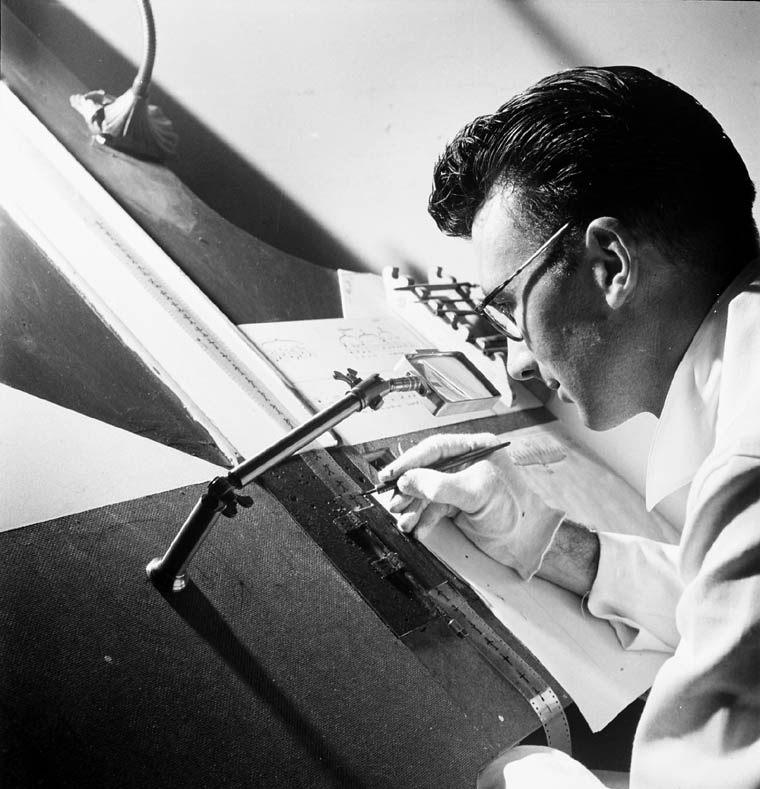

Common techniques and media
Animation can be produced for a range of outlets including cinema and feature movies, television series and commercials, interactive video games, and short-form content on the internet. Techniques include:
- Hand-drawn (2D) – frame-by-frame drawing, historically produced on transparent cels then digitized.
- Computer 3D – models are rigged and animated in virtual space, with digital cameras and camera controls mimicking real-world cinematography.
- Stop-motion – physical puppets or objects are photographed one pose at a time.
- Motion graphics and compositing – animate text, shapes, or effects for title sequences, advertising and information graphics.
Production roles and pipeline
Animation production is a multi-stage process. Early stages include story development, script and script breakdown, then storyboards created by storyboard artists to plan shots. Layout artists set backgrounds, camera framing and angles, while background painters create scenery and mood. During animation, tasks are divided among lead animators, character animators, and inbetweeners or cleanup artists who refine motion. Technical roles such as rigging and lighting affect how models move and how scenes are lit (lighting).
Tools, skills and craft
Modern animators use a mix of traditional skills—drawing, timing, acting, and observation—and technical fluency with software for modeling, keyframing, and compositing. Sound and performance matter: a scene is often timed to dialogue performed by voice actors and shaped by music from composers and sound designers. Production credits commonly list voice performers and musicians; for example, many projects credit voice actors and musicians who contribute to the final performance.
History and development
Animation evolved from simple sequential tricks and flipbooks to photographic cel animation and, in the late 20th century, to computer-generated imagery. Each era introduced new possibilities for storytelling and visual realism. While early studios systematized long production pipelines with specialized teams, digital tools later enabled smaller teams and independent animators to produce work more affordably and distribute it online.
Applications and career paths
Animators work in feature films, episodic television, advertising, video games, educational media, virtual reality and user-interface design. Careers vary: some specialize in character performance, others in effects, rigging, or layout. Professionals may be staff at large studios, part of smaller independent teams, or freelance contributors collaborating remotely. Background artists, sometimes credited as background or scenery painters, help situate animated action in a believable world; scripts and musical scores remain central, with ties back to planning documents like the script and to audio recorded for performers.
For more context about related fields and roles, explore introductory resources on animation, career guidance for television production, interactive storytelling in video games, and animation distribution on the internet. Additional specialized pages cover camera and lighting techniques (camera, lighting), staging and angles, and the collaboration between storyboard and layout departments. Industry overviews and educational programs are available through resources labeled music and sound design, technical pipelines at drawings and rigging, and general artist career sites at artist. For practical training or to examine production credits and team roles, consult specialized guides at movies and case studies of animated projects (musicians, background).
Questions and answers
Q: What is an animator?
A: An animator is an artist who makes drawings for movies.
Q: What are frames?
A: Frames are the many drawings an animator makes that are played very quickly, one after another, to create animation.
Q: In what areas can animators work?
A: Animators can work in many areas including movies, television, video games, and the internet.
Q: Who do animators usually work with?
A: Animators usually work with other people to form a team.
Q: Who are some of the people that animators work with on a team?
A: Animators may work with other animators, layout artists, storyboard artists, background artists, voice actors, and musicians.
Q: What do layout artists do?
A: Layout artists design the backgrounds, lighting, and camera angles.
Q: What do storyboard artists do?
A: Storyboard artists draw panels of the action from the script.
Related articles
Author
AlegsaOnline.com Animator: roles, techniques, and the animation production pipeline Leandro Alegsa
URL: https://en.alegsaonline.com/art/4290