
Astro Boy (Tetsuwan Atomu) — Japanese manga and anime series
Astro Boy (Tetsuwan Atomu) is a Japanese manga and anime created by Osamu Tezuka. It follows the robot child Astro and helped establish the visual language and global popularity of modern anime.
Overview
Astro Boy, known in Japan as Tetsuwan Atomu, is a long-running fictional property that began as a postwar Japanese manga and became a landmark animated series. The central figure is a childlike robot named Astro (sometimes called Atom), who combines human emotions with mechanical abilities. Stories around the character explore adventure, ethics, and the relationship between humans and machines.
Image gallery
4 Images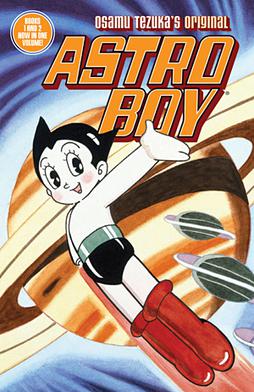


Characters and features
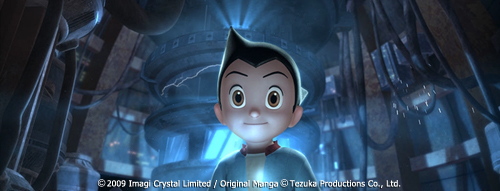
The narrative centers on Astro and a recurring cast that often includes creators and caretakers, scientists, and other robots. The setting mixes futuristic technology with everyday human concerns, creating moral parables about identity, responsibility, and social acceptance. Artistic choices made in the work—simplified character designs, expressive eyes, and dramatic framing—helped define the modern anime visual style.
Signature abilities
- The protagonist is a highly capable robot designed with advanced strength and flight.
- Stories often give Astro a warm, childlike personality despite his mechanical origin.
- The series balances episodic action with longer themes about technology, rights, and what it means to be alive.
History and development
Astro Boy originated in print: the work first appeared as a serialized comic in the early 1950s and was first published in 1952, a date closely associated with its creator's early efforts. Its transition to television began in the early 1960s and the animated adaptation that debuted in Japan in 1963 brought the character to a far wider audience. The creator, Osamu Tezuka, is widely celebrated for his contributions to manga and animation and is often described with honorifics reflecting his influence.
Legacy, adaptations, and influence
Astro Boy's television incarnation became one of the first widely exported Japanese animated series and played a major role in introducing Japanese animation to foreign markets. Over the decades it has inspired later remakes, films, merchandise, scholarly study, and homages in popular culture. Creators and critics frequently cite the series when discussing how manga and televised animation matured into internationally recognized forms.
Notable facts and distinctions
While many later works built on its conventions, Astro Boy retains a distinct place in cultural history for combining speculative technology with humanist themes. Its early publication in 1952 and its 1963 television launch are often used as reference points when tracing the growth of Japan's comic and animation industries. For further background on the manga, broadcast history, and major creators, readers can consult specialized resources and archives that document postwar Japanese media and the development of televised animation in subsequent decades (manga sources, series records, robotic themes, broadcast histories, animation studies, creator biographies, publication timelines).
Related articles
Author
AlegsaOnline.com Astro Boy (Tetsuwan Atomu) — Japanese manga and anime series Leandro Alegsa
URL: https://en.alegsaonline.com/art/6824