
Ornithocheirus: a crested pterosaur genus
Ornithocheirus is a genus of crested pterosaur known from fragmentary Cretaceous fossils; notable for long jaws with conical teeth, fish-eating habits, and a complex taxonomic history.
Overview
Ornithocheirus is a genus of flying reptile (pterosaur) first named from fragmentary remains discovered in 19th‑century deposits in England. The name means "bird hand" and the animals are best known for elongated snouts, rows of conical teeth and often prominent cranial crests. They are interpreted as largely fish‑eating animals that patrolled coastal waters.
Image gallery
10 Images
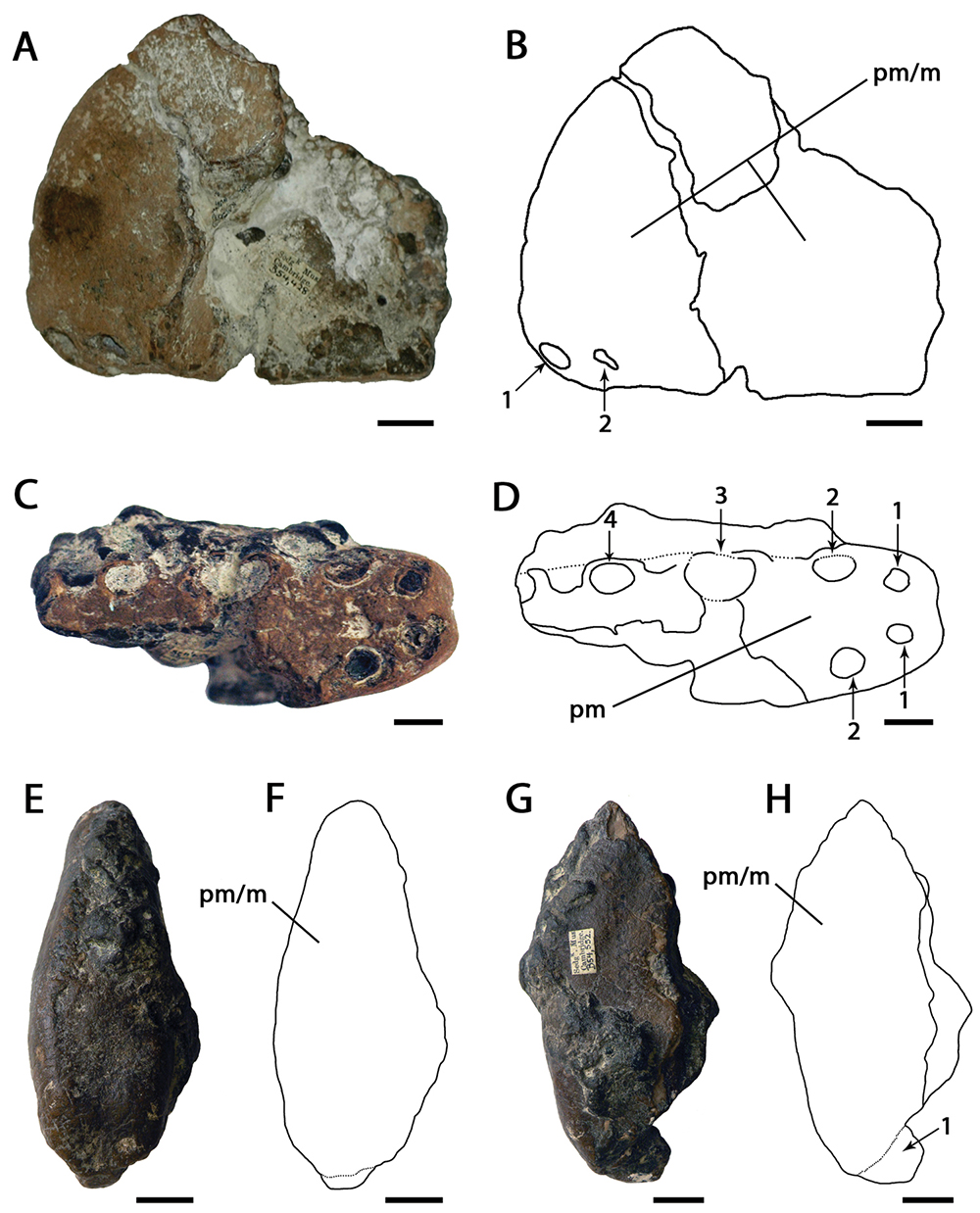
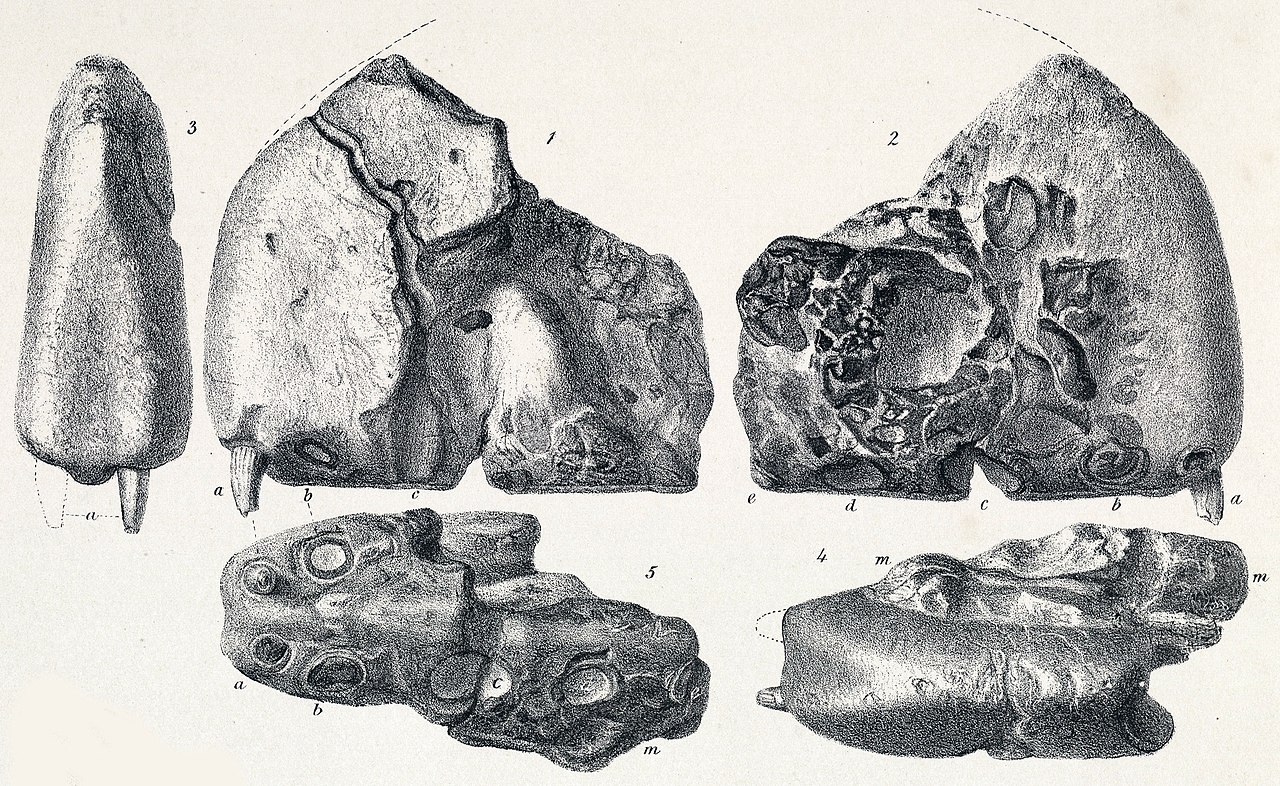


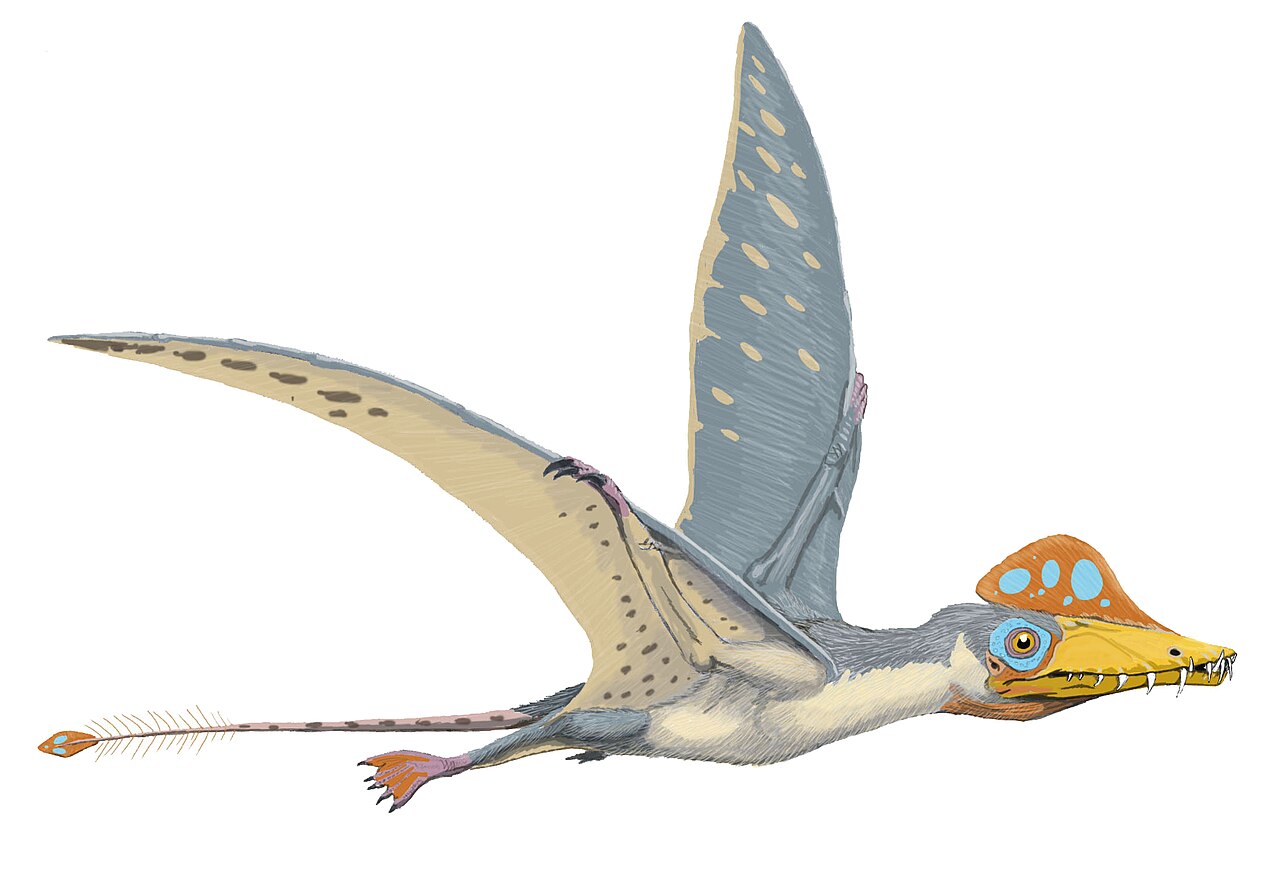


Anatomy and ecology
Fossils attributed to Ornithocheirus show a lightweight skeleton adapted for flight: long wing finger bones, hollow limb elements and a long, tapering skull. Jaws bore stout, turned teeth that were well suited to catching slippery prey. Crest shapes varied between specimens and may have been used for display or aerodynamic function during flight.
Key characteristics
- Elongated, narrow skull and jaws with conical teeth
- Variable cranial crests on snout and sometimes lower jaw
- Large wingspan relative to body size, suggesting strong flight ability
- Adaptations for a piscivorous (fish‑eating) lifestyle
Fossil history and taxonomy
Material assigned to Ornithocheirus comes mainly from marine sedimentary deposits. Many early discoveries were fragmentary, and as more complete pterosaur fossils were found the genus became a catchall for similar forms. Over time, paleontologists have split and reassigned species to other genera, so the limits of Ornithocheirus remain the subject of ongoing study. This taxonomic complexity is typical for pterosaurs known mostly from isolated bones.
Importance and popular culture
Ornithocheirus and related ornithocheirids illuminate how large coastal pterosaurs lived and fed in Mesozoic ecosystems. Reconstructions of these animals appear in popular science programs and museums — for example in the series Walking with Dinosaurs — and they frequently illustrate discussions of pterosaur flight and feeding. For general context about pterosaurs, see pterosaur summaries.
Related articles
Author
AlegsaOnline.com Ornithocheirus: a crested pterosaur genus Leandro Alegsa
URL: https://en.alegsaonline.com/art/73210