
Ornithomimidae: the ostrich-like theropods
Ornithomimidae were fast, mostly toothless theropod dinosaurs of the Late Cretaceous in Laurasia, known for long legs, probable feathers, and evidence suggesting herbivorous or omnivorous diets and social behavior.
Overview
Ornithomimidae (literally "bird-mimics") is a family of lightly built, bipedal theropod dinosaurs that convergently resemble modern ostriches in body shape and stance. They are primarily known from the Upper Cretaceous deposits of northern continents that once formed Laurasia, now represented by parts of Asia and North America. Typical members of the group include genera such as Gallimimus, Archaeornithomimus, Anserimimus, Struthiomimus, and Ornithomimus. Despite their birdlike appearance, ornithomimids are non-avian dinosaurs that share several features with other birdlike coelurosaurs.
Image gallery
10 Images


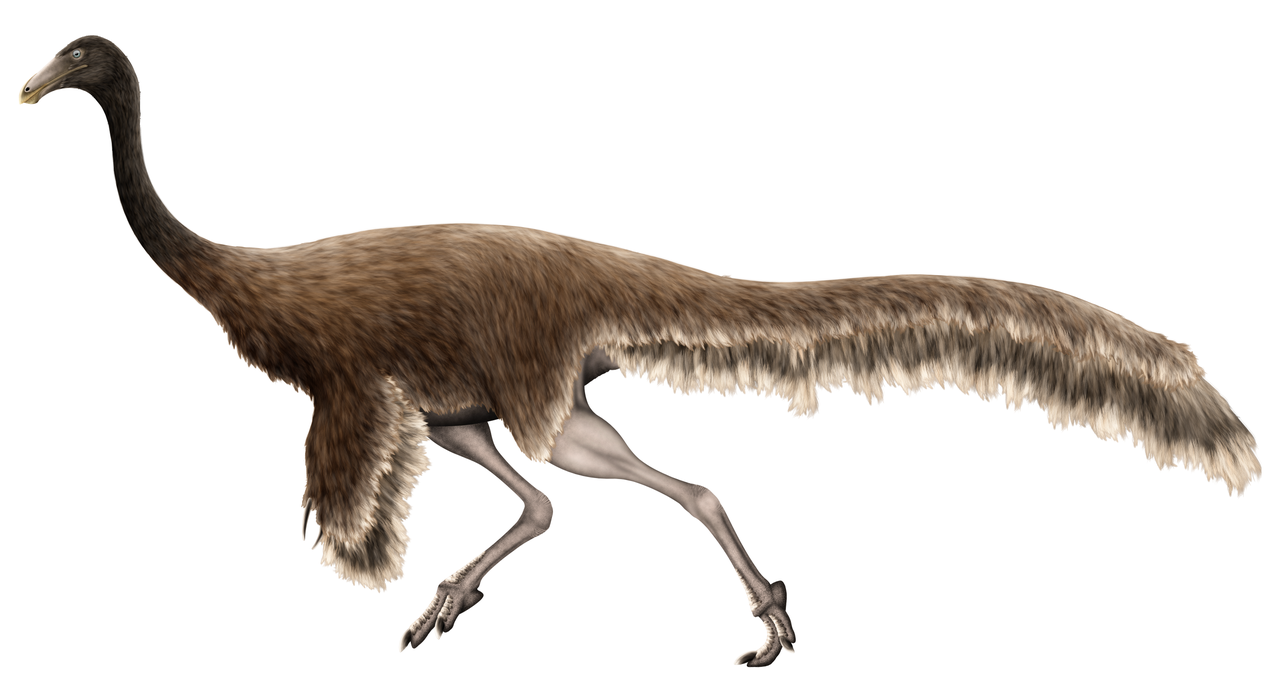

Anatomy and adaptations
Ornithomimids have a distinctive suite of anatomical traits that reflect a cursorial, or running, lifestyle: long, gracile hind limbs with elongated metatarsals, a lightweight pelvis, and relatively small heads on long, slender necks. Their skulls were usually small with large orbits (eye openings), and adults lack teeth, possessing a horny beak instead. Forelimbs are elongated and ended in hands with curved claws that may have been capable of grasping. Evidence from fossils, including preserved integument in several species, indicates that many ornithomimids bore feathers or feather-like structures, a characteristic shared with other coelurosaurs.
Diet, digestion and ecology
Interpretations of ornithomimid diets have shifted as new fossils and studies appeared. The presence of numerous gastroliths (stomach stones) in some specimens and the blunt, toothless beak point toward a significant plant component in their diet; gastroliths are commonly associated with herbivory because they assist mechanical breakdown of vegetation. Other anatomical features—agile limbs, nimble hands, and a beak capable of cropping—leave room for omnivory, with small animals, eggs, or aquatic food items supplementing plant matter. Their abundance in some Late Cretaceous faunas, particularly in North America, is consistent with an ecological role as common herbivores or omnivores rather than top predators.
History and classification
Ornithomimids were recognized early in dinosaur paleontology because of their distinctive, ostrich-like form; influential early researchers, including Henry Fairfield Osborn, contributed to interpretations of their posture and feeding behavior. Over time, fossils from multiple continents clarified their diversity and anatomy. Ornithomimidae sit within the larger group Ornithomimosauria, which contains both primitive and more derived forms. Phylogenetic analyses place them among the coelurosaurs, a broad clade of generally birdlike theropods; relationships within Coelurosauria are complex and subject to revision as new material is discovered.
Ecological importance and notable facts
Several features make ornithomimids notable in Mesozoic ecosystems. Their convergent resemblance to modern ratite birds provides a clear example of how similar selective pressures (running and foraging on open ground) can shape unrelated lineages. Fossil assemblages sometimes preserve multiple individuals together, which has been interpreted as possible evidence for gregarious or at least locally aggregating behavior in some species. Because they are often among the most common small to medium-sized dinosaurs in certain Late Cretaceous localities, ornithomimids play an important role in reconstructing food webs and habitat structure.
Key characteristics and distinctions
- Cursorial anatomy: long legs, reduced distal limb mass, and hooflike toe terminations that improved running efficiency.
- Toothless beak and small head with large eyes suggest rapid visual foraging and cropping of food.
- Feathers or filamentous integument indicate that plumage was widespread in the group and may have been used for display, thermoregulation, or both.
- Evidence for herbivory (gastroliths) combined with anatomical versatility supports a primarily plant-based diet with potential omnivory.
Ornithomimids illustrate both the diversity of theropod lifestyles and the evolutionary convergence between Mesozoic dinosaurs and some living birds. For more detailed treatments of specific species, anatomy, or fossil localities, consult specialist monographs and up-to-date reviews in paleontological literature.
Questions and answers
Q: What is Ornithomimidae?
A: Ornithomimidae is a group of theropod dinosaurs which bore a superficial resemblance to modern ostriches.
Q: Where were they found?
A: They were found in the Upper Cretaceous of Laurasia, which is now Asia and North America.
Q: What did their skulls look like?
A: Their skulls were small, with large eyes, above relatively long and slender necks. All had toothless beaks.
Q: What did their forelimbs look like?
A: The fore limbs ('arms') were long and slender and bore powerful claws.
Q: How did Henry Fairfield Osborn suggest that ornithomimids may have fed?
A: Henry Fairfield Osborn suggested that the long, sloth-like 'arms' of ornithomimids may have been used to pull down branches on which to feed.
Q: Were ornithomimids herbivores or carnivores?
A: Many ornithomimosaurs, including primitive species, have been found with numerous gastroliths in their stomachs, characteristic of herbivores; however they may have also been omnivores that ate both plants and small animal prey.
Related articles
Author
AlegsaOnline.com Ornithomimidae: the ostrich-like theropods Leandro Alegsa
URL: https://en.alegsaonline.com/art/73213