
Ornithopod dinosaurs: bird-hipped herbivores and their evolution
Ornithopods (Ornithopoda) were a diverse group of herbivorous ornithischian dinosaurs, from small bipedal grazers to large, duck-billed hadrosaurs with complex chewing adaptations and global distribution.
Overview
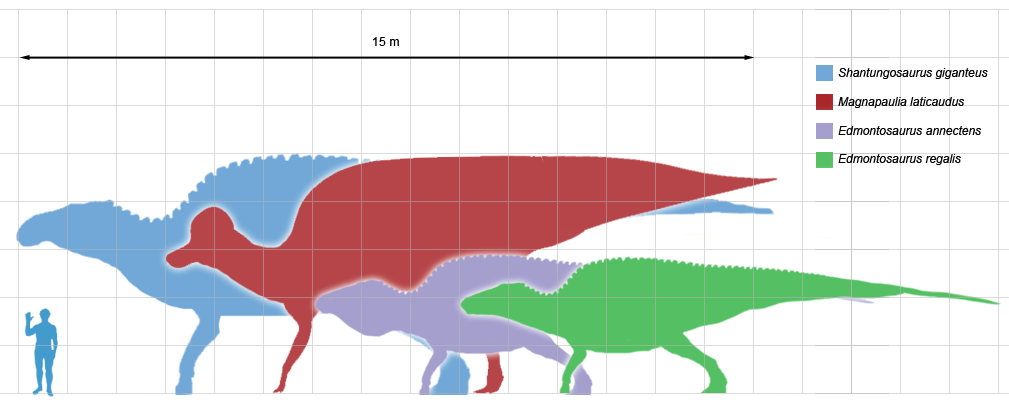
Ornithopoda is an infraorder of herbivorous ornithischian dinosaurs often described as "bird-hipped" in contrast to saurischians. Early members were small, fast, bipedal plant-eaters; over tens of millions of years some lineages grew larger and more specialized. By the Cretaceous, ornithopods—especially the hadrosaurids—were among the most common large herbivores in many ecosystems. For more background see general accounts.
Image gallery
10 Images


Key characteristics
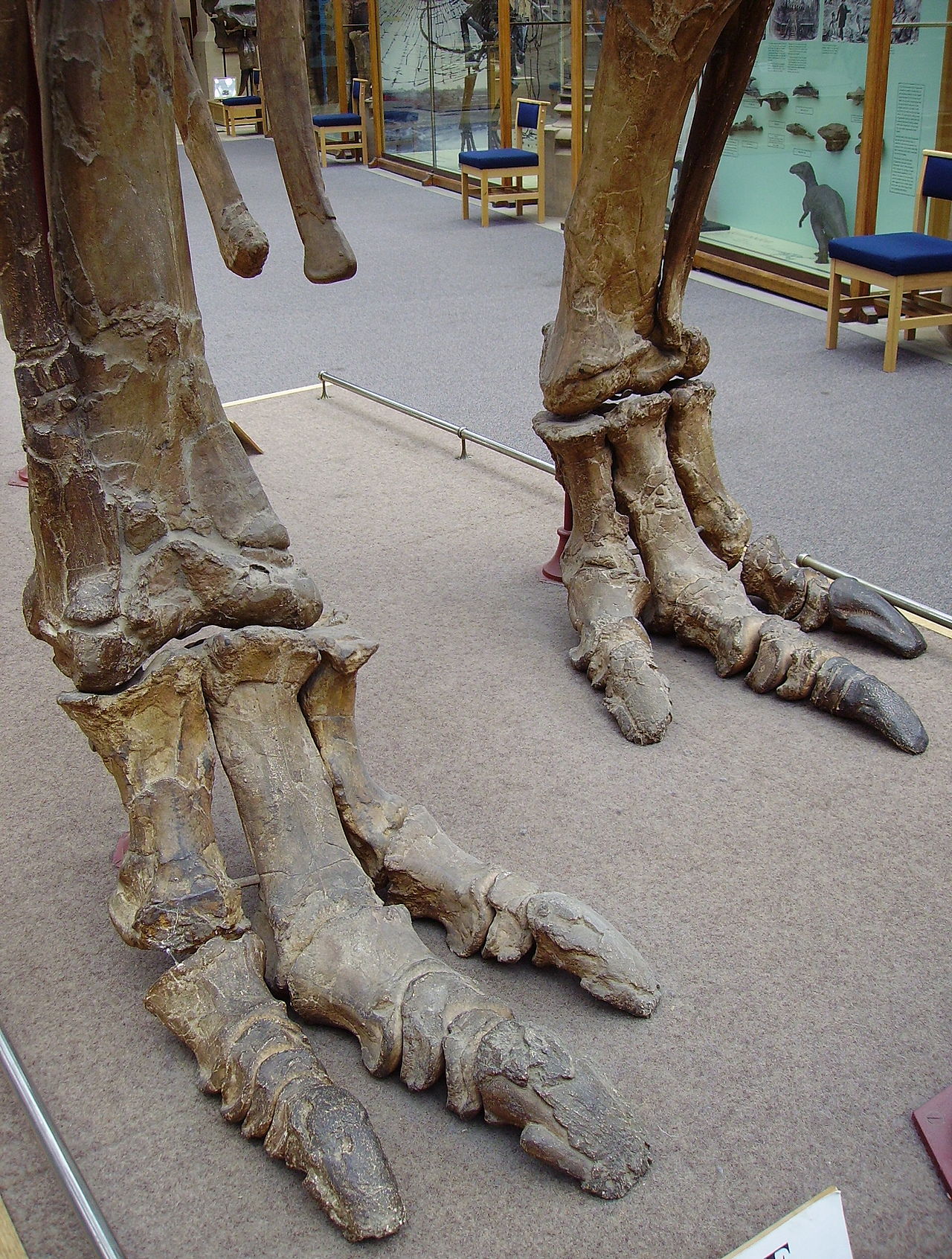
Ornithopods share a suite of anatomical features adapted for herbivory and efficient locomotion. Typical traits include a beak-like predentary and rostral bone that cropped vegetation, rows of closely packed teeth often forming complex grinding surfaces, and limb proportions suited to bipedal running or facultative quadrupedalism in larger forms. Their jaws developed precise occlusion and some groups had muscular cheek regions to retain food while chewing. Important descriptive resources are available at morphology guides and dental studies.
Evolving a chewing apparatus
One of the most notable trends in ornithopod evolution is the progressive refinement of the chewing apparatus. From simple leaf-snipping beaks, many ornithopods evolved multiple tooth rows and tightly interlocking teeth, often described as dental "batteries" in hadrosaurs. These structures allowed extensive oral processing of plant material, improving digestive efficiency by reducing particle size. Further discussion of teeth and feeding mechanics can be found via feeding mechanics and functional analyses.
History, diversity and distribution
Ornithopods appeared in the Early Jurassic and diversified through the Cretaceous into many forms, from small hypsilophodont-like runners to iguanodontians and the large, often crested hadrosaurs. They are known from every continent, including fragmentary remains from Antarctica; their fossil record shows both regional endemism and wide geographic spread. Readers can consult regional summaries at continental records and surveys of Cretaceous faunas at Cretaceous summaries.
Ecology and behavior
Ornithopods occupied a range of ecological roles as primary consumers. Many species formed herds and nested in colonies, judging from trackways and nesting sites; some had elaborate cranial crests that may have been used for display or vocal resonance. Their abundance and feeding styles influenced plant community structure. For behavioral and paleoecological context see behavioral studies and paleoecology reviews.
Relationships and extinction
Within ornithischian phylogeny, ornithopods form one branch of Cerapoda; the other major branch, Marginocephalia, includes the horned ceratopsians and the dome-headed pachycephalosaurs. Ornithopods reached their greatest diversity with the hadrosaurs in the Late Cretaceous but, like most non-avian dinosaurs, they disappeared at the end-Cretaceous mass extinction (commonly called the Cretaceous–Paleogene event). For evolutionary relationships and extinction context consult phylogenetic overviews, ceratopsian comparisons, pachycephalosaur relations, and extinction studies.
- Typical topics to explore: anatomy, dental evolution, hadrosaur crests, global fossil distribution.
- Why they matter: Ornithopods illustrate how complex chewing systems and social behavior can drive herbivore success in Mesozoic ecosystems.
Questions and answers
Q: What is an ornithopod?
A: An ornithopod is an infraorder of bird-hipped dinosaurs.
Q: How did ornithopods evolve?
A: Ornithopods started out as small, bipedal running grazers and grew in size and numbers until they became one of the most successful groups of herbivores in the Cretaceous world.
Q: What was the major evolutionary advantage of ornithopods?
A: The major evolutionary advantage of ornithopods was the progressive development of a chewing apparatus that became the most sophisticated ever developed by a reptile.
Q: What features did the chewing apparatus of ornithopods have?
A: Ornithopods had beaks, multiple teeth rows, cheek pouches, and true chewing.
Q: What was the benefit of efficient chewing for ornithopods?
A: Efficient chewing means faster digestion, as the material is broken into smaller pieces.
Q: What was the apex of ornithopods' evolution?
A: The apex of ornithopods' evolution was in the duck-bills.
Q: What caused the extinction of ornithopods?
A: Ornithopods were wiped out by the Cretaceous–Tertiary extinction event with all other non-avian dinosaurs.
Related articles
Author
AlegsaOnline.com Ornithopod dinosaurs: bird-hipped herbivores and their evolution Leandro Alegsa
URL: https://en.alegsaonline.com/art/73215
Sources
- doi.org : 10.1016/j.cretres.2008.02.002
- doi.org : 10.1080/10292389209380426