
Origanum: the genus of oregano and marjoram — overview, traits, and uses
Origanum is a genus of aromatic herbs in the mint family, native to the Mediterranean and parts of Asia, best known for culinary oregano and sweet marjoram and valued for fragrance and traditional remedies.
Overview
Origanum is a group of aromatic perennial herbs and subshrubs in the mint family (Lamiaceae), native mainly to the Mediterranean region and western Asia. The genus contains roughly 30–40 recognized species and several cultivated varieties. Two widely known members are common oregano and sweet marjoram, which are important in cuisine and horticulture.
Image gallery
2 Images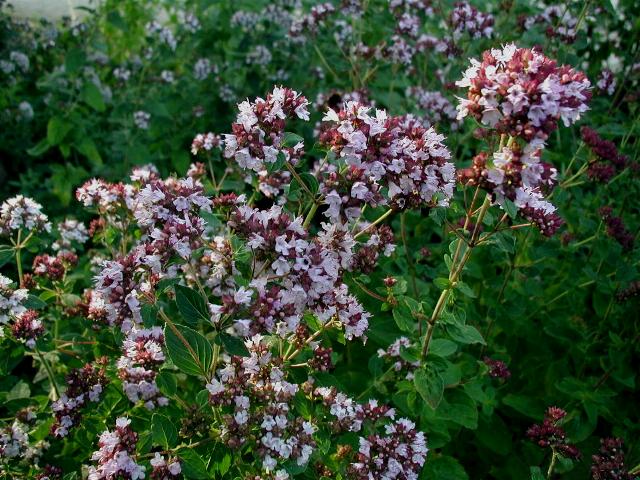

Characteristics
Plants in this genus typically have woody bases, opposite simple leaves, and clusters of small tubular flowers arranged in false whorls. The foliage is fragrant because of volatile oils such as carvacrol and thymol, which give many Origanum species their peppery, warm aroma. Many species are drought-tolerant and adapted to rocky, well-drained soils.
History and taxonomy
The name and use of Origanum date back to ancient Mediterranean cultures, where leaves were used fresh and dried for flavoring and traditional remedies. Botanically the genus has been studied for its morphological diversity and relationships within Lamiaceae; cultivars have been selected for leaf size, flavor intensity, and ornamental flower color. See taxonomic resources for details: taxonomic overview.
Uses and examples
Origanum species serve culinary, medicinal, and ornamental roles. Culinary uses include seasoning for tomato dishes, grilled meats, breads, and herb blends. Traditional and modern herbal applications exploit the antiseptic and aromatic properties of essential oils. Gardeners prize some taxa for rock gardens and container culture. Examples and cultivar guides: culinary uses, marjoram varieties.
Ecology and interactions
Origanum plants provide nectar to pollinators and act as host plants for the larvae of several moth species. Some Lepidoptera caterpillars feed on Origanum foliage, contributing to local food webs; see insect-host references: pollinators, Lepidoptera interactions.
Practical cultivation and distinctions
Cultivation is straightforward: full sun, moderate watering, and poor to average soil favor aromatic leaf production. Distinctions among garden forms are important: common oregano (often Origanum vulgare) tends to be more pungent, while sweet marjoram (O. majorana) is milder and more tender. For conservation, propagation, and sourcing information consult horticultural guides: propagation and conservation notes.
Related articles
Author
AlegsaOnline.com Origanum: the genus of oregano and marjoram — overview, traits, and uses Leandro Alegsa
URL: https://en.alegsaonline.com/art/73136