
Orto botanico di Pisa — University of Pisa Botanical Garden
Historic university botanical garden in Pisa, established 1544 under Cosimo I de' Medici and cared for by botanist Luca Ghini; features historic greenhouses, arboretum, herb beds and early botanical institute.
Overview
The Orto botanico di Pisa is the historic botanical garden of the University of Pisa. Located at via Luca Ghini 5, Pisa, it is administered by the university and open to the public on weekday mornings without an entrance fee. The site combines living collections, historic buildings and teaching spaces, and it is commonly cited among the earliest university botanical gardens in Europe. Visitors will find formal beds, an arboretum, ponds, greenhouse complexes and remnants of long-standing scientific institutions.
Image gallery
7 Images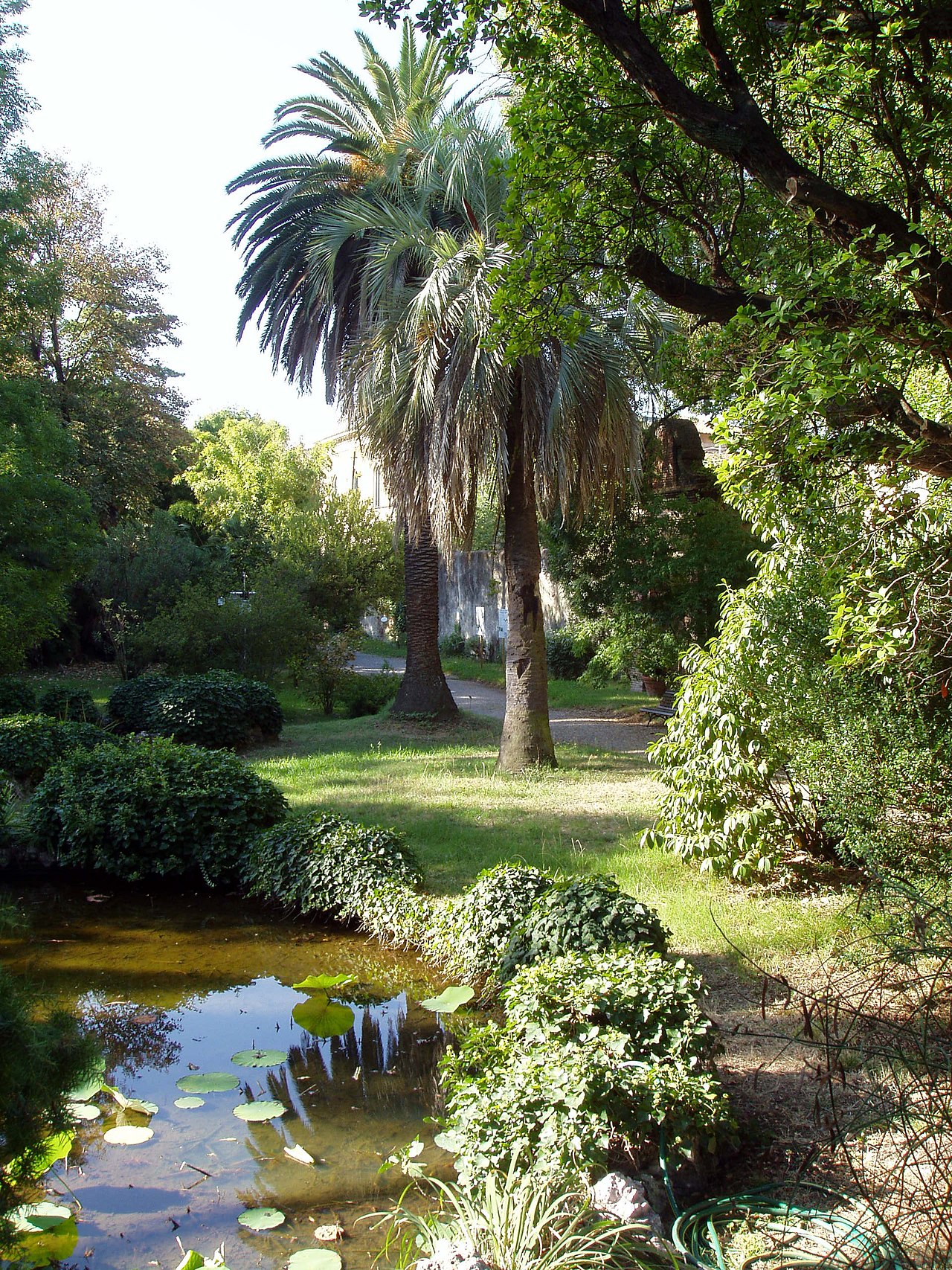


Origins and development
The garden was founded in 1544 under the patronage of Cosimo I de' Medici and entrusted to the botanist Luca Ghini, whose name the garden now bears. Its foundation is notable in histories of botany because it marks one of the first times a university established a permanent garden for teaching and research. The collection was relocated twice in the 16th century—initially near the river, later near the convent of Santa Marta, and finally to the present site in 1591—where it expanded to include a botanical institute, a reference library and a gallery of natural objects that evolved into a natural history museum. For a concise institutional overview see the garden's listing as a botanical garden.
Collections, buildings and features
The Orto botanico preserves a mixture of living and historic elements typical of long-established university gardens:
- Herbaceous beds and systematic plantings used for instruction in plant identification and taxonomy.
- An arboretum of specimen trees, some of considerable age, arranged to illustrate woody plant diversity.
- Greenhouses and hothouses, including an early iron-framed conservatory that was among the first of its kind in Italy.
- The old botany institute (erected around 1591–1595), notable for its distinctive façade decoration and for housing collections and teaching rooms.
- Ponds and small landscape features that support aquatic and wetland species.
Over centuries the garden also accumulated reference collections: a botanical library that later contributed material to the university library, and a collection of specimens and curiosities that formed the seed of Pisa's Museo di Storia Naturale.
Teaching, research and public role
As a university garden, the Orto botanico di Pisa has always combined practical teaching with scientific study. Historically it served as a living classroom where students learned plant morphology, medicinal uses and classification. Today its functions include horticultural education, maintenance of genetic and regional plant diversity, and public outreach. The garden's continuity and archive of portraits and records make it a useful resource for historians of science and botany.
Visiting and significance
The garden's central location in Pisa and its free weekday-morning access make it a frequented destination for residents, students and visitors. The site is often referenced in broader surveys of early botanical gardens and university collections; secondary sources highlight its foundation as a milestone in the institutionalization of botanical teaching in Europe. Practical visitor details such as opening times and temporary exhibitions are typically listed by local cultural services and university pages; for address confirmation see the garden entry at via Luca Ghini 5 and for national context consult an overview of Italian gardens at Italy. For historical context on early university gardens see general treatments that discuss its standing as an early example of a university botanical garden.
Notable facts
- The garden preserves material continuity with 16th-century academic botany and displays an early iron-framed greenhouse.
- It served as a node connecting botany, medical instruction and natural-history collecting that later fed institutional museums and libraries.
- Its association with Luca Ghini links it to a formative period in European botanical education.
Questions and answers
Q: What is the Orto botanico di Pisa?
A: The Orto botanico di Pisa is a botanical garden in Pisa, Italy.
Q: Who takes care of the Orto botanico di Pisa?
A: The University of Pisa takes care of the Orto botanico di Pisa.
Q: When was the garden started and who started it?
A: The garden was started in 1544 under Cosimo I de' Medici as the first university botanical garden in Europe.
Q: Who was Luca Ghini and what was his role in the garden?
A: Luca Ghini was a famous botanist from Imola who was put in charge of the garden by Cosimo I de' Medici.
Q: Where has the garden been located over the years?
A: The garden was originally located near a river (now the Medicean Arsenal), then it was moved near the convent of Santa Marta, and in 1591 it was moved to its current location.
Q: What can visitors see at the Orto botanico di Pisa?
A: Visitors can see different sections of the garden containing the botanical school, gardens, ponds, greenhouses, and various buildings, as well as herb gardens and arboreta, a gallery of natural objects (now Pisa's Museo di Storia Naturale), a library (now part of the university library), portraits of its directors throughout the centuries, and one of the earliest iron-framed hothouses built in Italy.
Q: Is there an admission fee for the Orto botanico di Pisa?
A: No, there is no admission fee to see the Orto botanico di Pisa.
Related articles
Author
AlegsaOnline.com Orto botanico di Pisa — University of Pisa Botanical Garden Leandro Alegsa
URL: https://en.alegsaonline.com/art/73279