
Oriental turtle dove (Streptopelia orientalis) — overview and natural history
A compact encyclopedia entry on the Oriental (rufous) turtle dove, covering appearance, range, behavior, breeding, and relationships within the Columbidae family.
Overview
The Oriental turtle dove, also called the rufous turtle dove, (Streptopelia orientalis) is a medium-sized bird in the family Columbidae. This group includes a variety of pigeons and doves; members share a stout body, short legs, and a characteristic flight. The Oriental turtle dove is found across much of eastern Asia and adjacent regions, where it occupies woodland edges, parks, agricultural areas and scrub.
Image gallery
10 Images




Identification and characteristics
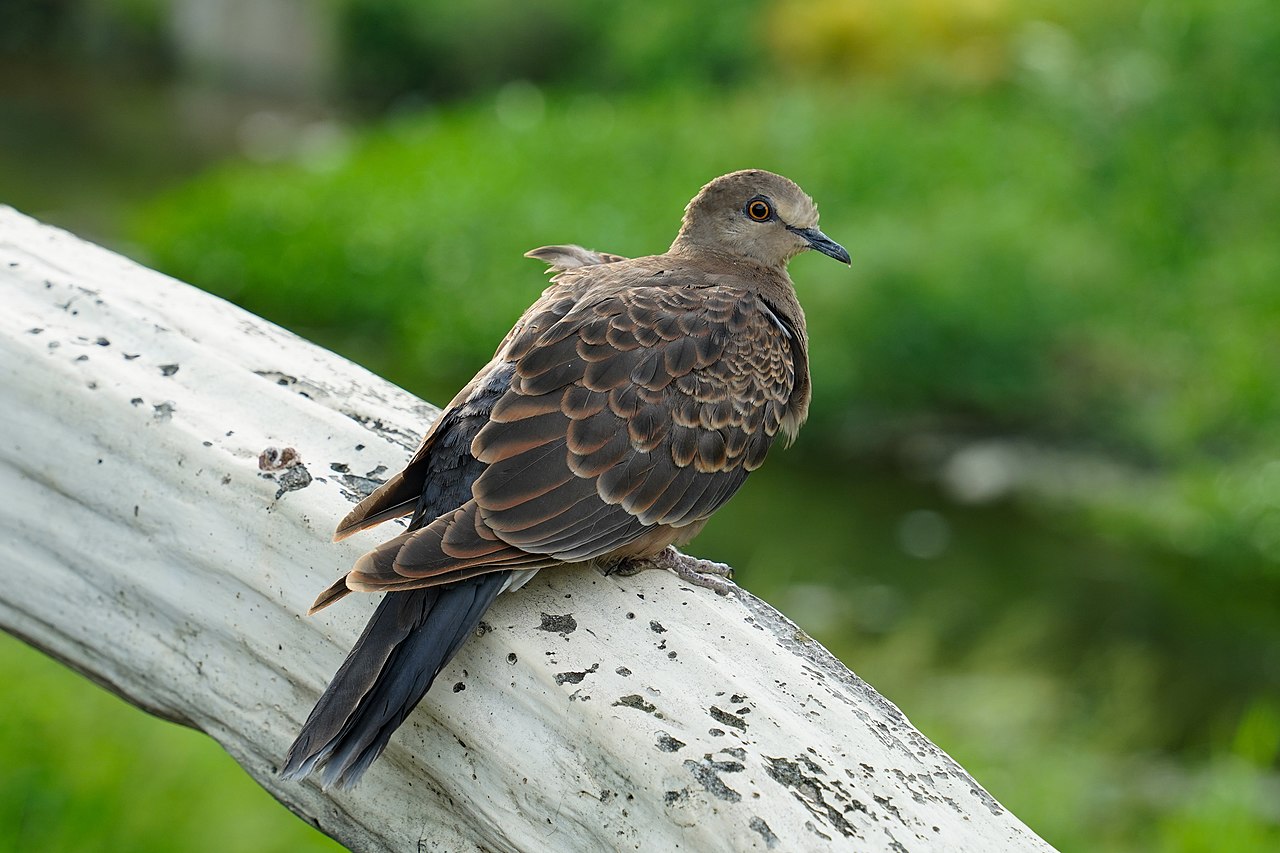
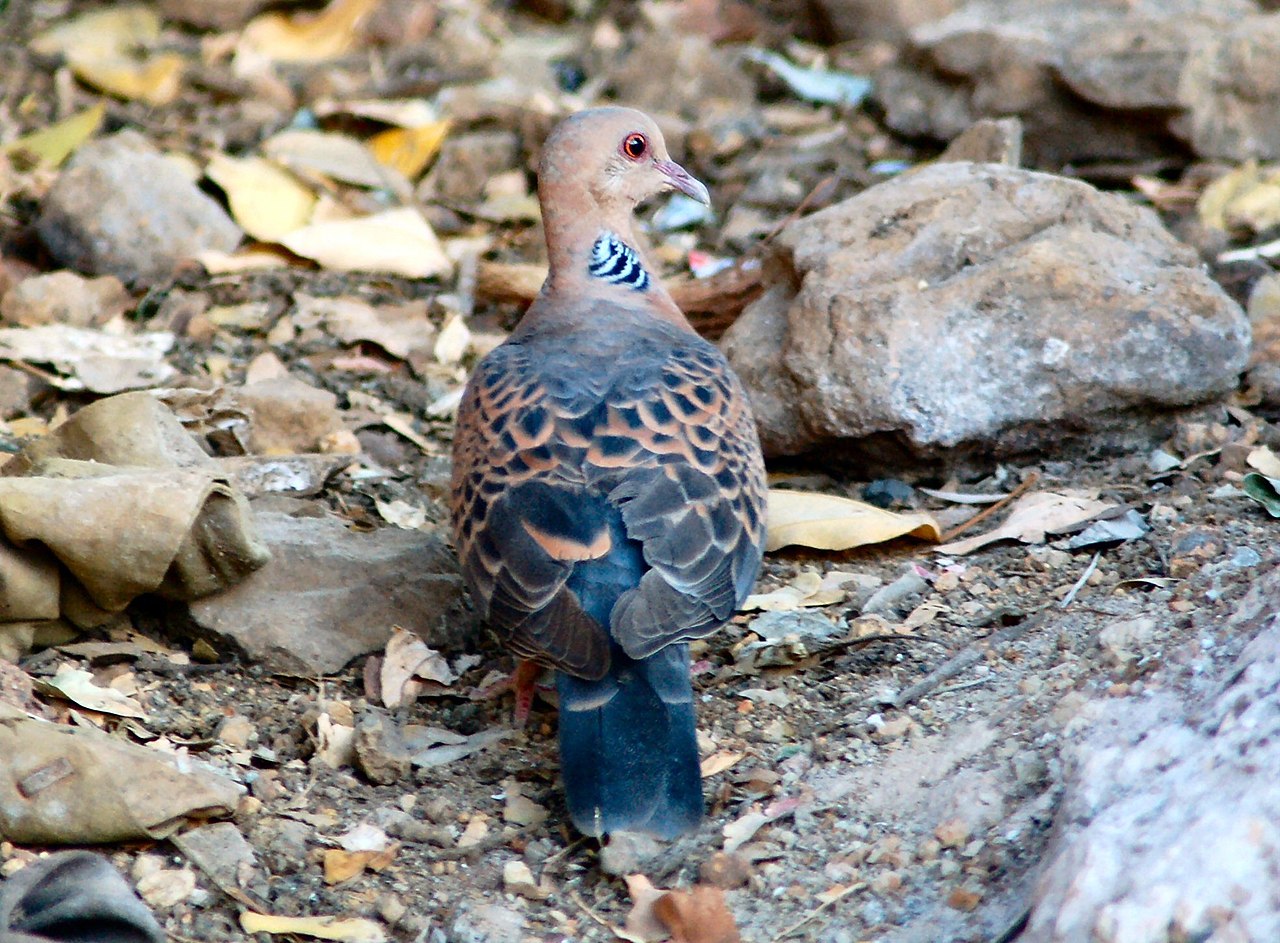
Adults typically show warm brown and rufous tones on the back and wings, a paler underside, and a distinctive patterned patch at the nape or side of the neck. Plumage can vary between populations. Key field marks include:
- rufous-brown upperparts and tail with darker bars
- a spotted or scaled appearance on the wings
- a contrasting neck patch composed of black and white feathers
Distribution, habitat and movements
The species breeds across temperate and subtropical parts of eastern Asia and some adjacent areas. Populations show a range of migratory behaviours: northern birds may migrate seasonally, while southern populations are often resident. Preferred habitats include mixed woodlands, hedgerows, farmlands, gardens and city parks where trees and open ground occur together.
Behavior, diet and reproduction
The Oriental turtle dove is generally sociable outside the breeding season and often forages on the ground for seeds, grains and small plant material. Its diet may include cultivated seeds, making it common near agricultural land. Nests are simple platforms of twigs placed in trees or shrubs. Clutches are usually small; both parents participate in incubation and care of the young.
Conservation and cultural notes
While many populations are stable and the species is not regarded as globally threatened, local declines can occur because of habitat conversion, hunting or changes in agricultural practice. The bird has a long-standing presence in East Asian culture and literature, where its call and appearance are sometimes used symbolically. For broader context on related birds, see general resources about doves and pigeons.
Distinctions and taxonomy
Taxonomists recognize several subspecies and regional forms reflecting variation in size and plumage. Identification can require attention to subtle differences in tone, pattern and voice. The Oriental turtle dove is one of several Streptopelia species that together illustrate the diversity of the Columbidae family across Eurasia.
Related articles
Author
AlegsaOnline.com Oriental turtle dove (Streptopelia orientalis) — overview and natural history Leandro Alegsa
URL: https://en.alegsaonline.com/art/73131
Sources
- iucnredlist.org : "Streptopelia orientalis"
- commons.wikimedia.org : Streptopelia orientalis