
Order of the White Eagle (Poland)
Poland’s highest state decoration, created in 1705. Awarded to civilians, military and foreign dignitaries for outstanding service; recognizable by its white-eagle insignia, sash and star.

Overview
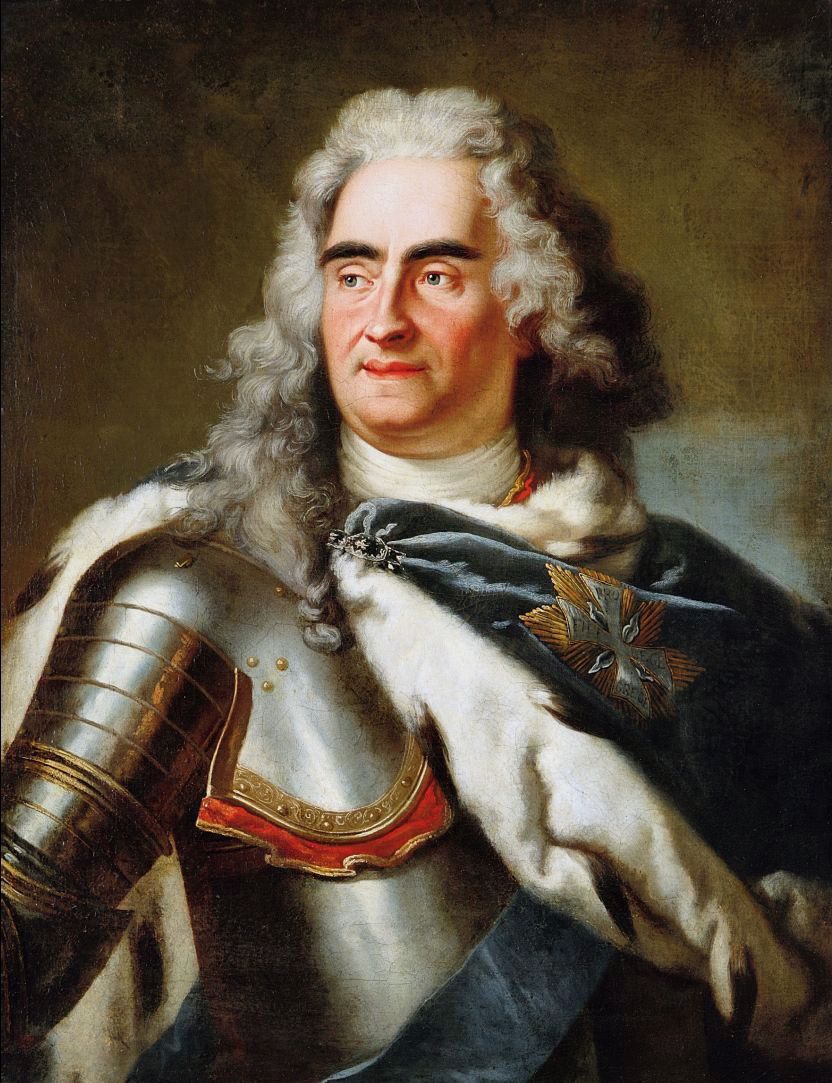
The Order of the White Eagle is the premier Polish decoration, conferred on individuals for exemplary service to the nation or for acts that strengthen Poland’s international standing. Instituted by Augustus II the Strong in 1705, it has been associated since its founding with the white eagle, a national emblem. The order is commonly described in Polish as the Order Orła Białego and is reserved for the most distinguished citizens and high-ranking foreign representatives.
Image gallery
9 Images


Design and Insignia
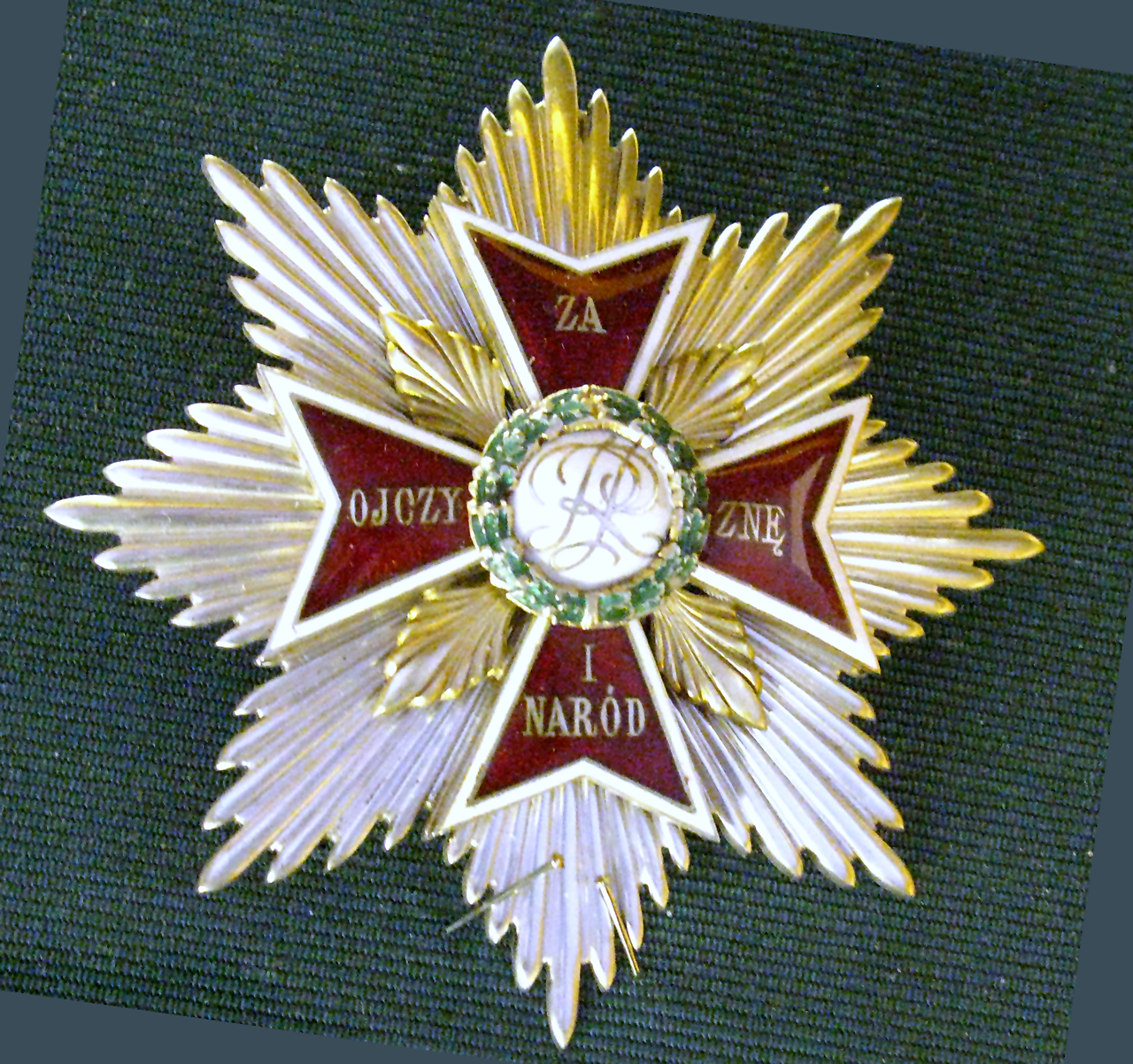
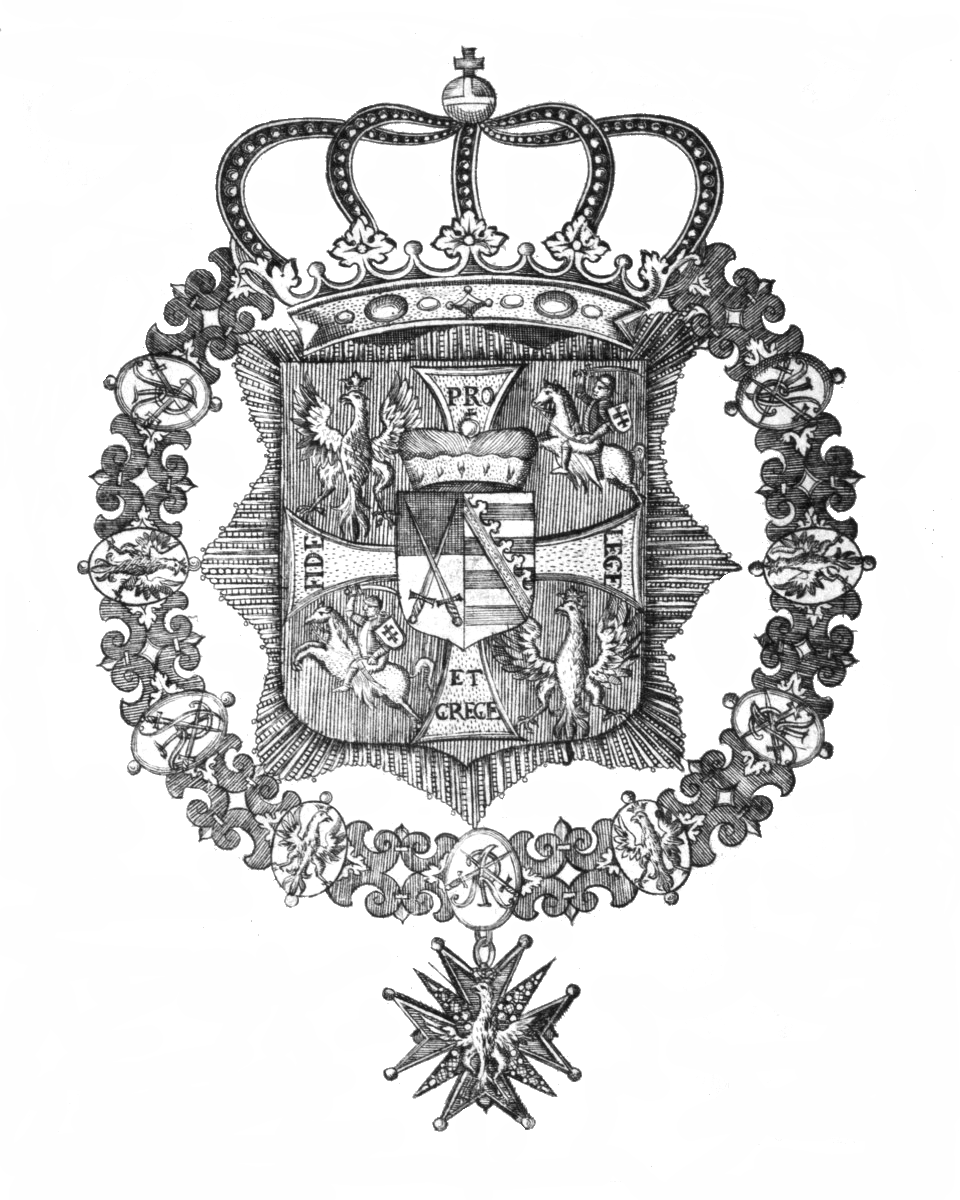
The decoration is most often seen as a sash worn from one shoulder to the opposite hip and a star worn on the chest. The badge and star traditionally display a stylized white eagle and are produced in enamel and metal, emphasizing heraldic motifs of Poland. Typical wear includes a broad ribbon and a prominent breast star; variations in appearance have occurred over centuries as styles and manufacturing techniques changed.
History and Development
Created early in the 18th century within the Polish–Lithuanian political context, the order has survived political upheavals, partitions and changes of state. It was originally a personal honor of the monarch and later became a state decoration. Over time the way the order was conferred and its ceremonial use evolved, reflecting different governmental systems and diplomatic practices.
Eligibility, Ceremony and Use
The order is awarded to both military personnel and civilians for outstanding contributions; it is also granted to foreign heads of state and other leading figures as a mark of friendship and recognition. Today, conferral typically follows a formal nomination and investiture process conducted by the state leadership. Information on current criteria and recipients can be found through official channels and reference works about Polish honors (lists of recipients).
Notable Aspects and Distinctions
As Poland’s highest order, it ranks above other national honors in precedence and ceremonial protocol. Recipients are accorded special recognition at state events and in diplomatic exchange. While its visual elements emphasize the white eagle motif, the order’s significance lies principally in its role as a symbol of national esteem and international goodwill.
Further reading
- General histories of Polish orders and decorations provide background and chronology (Poland and its state symbols).
- Official state publications list current statutes, procedures and recent awardees.
Related articles
Author
AlegsaOnline.com Order of the White Eagle (Poland) Leandro Alegsa
URL: https://en.alegsaonline.com/art/73027