
Opisthokonts: animals, fungi and their unicellular relatives
Opisthokonts are a major eukaryotic clade that includes animals, fungi and related single-celled lineages, united by shared cellular traits and supported by molecular phylogenetics.
Overview
Opisthokonts are a widely recognized clade within the domain of Eukaryota. This group brings together animals, fungi and several unicellular lineages that are their closest relatives. The name derives from Greek roots referring to a posterior flagellum, a feature present in many motile cells of this lineage.
Image gallery
10 Images



Key characteristics
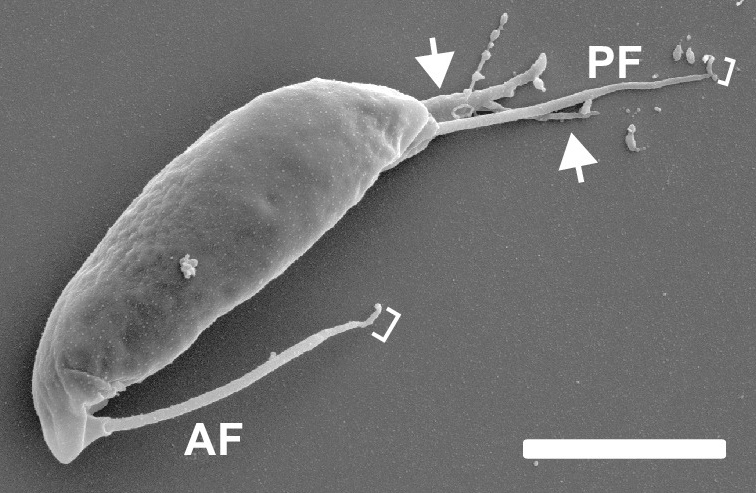
Members of the Opisthokonta share a mix of morphological and molecular traits. In motile cells the flagellum, when present, is positioned at the rear of the cell rather than the front. Other features that support the grouping are similarities in cellular organization, mitochondrial cristae shape, and multiple lines of molecular evidence from DNA and protein comparisons.
- Posterior single flagellum in many motile stages.
- Molecular phylogenetic markers that cluster animals and fungi together.
- Close unicellular relatives such as choanoflagellates and nucleariids.
Composition and notable members
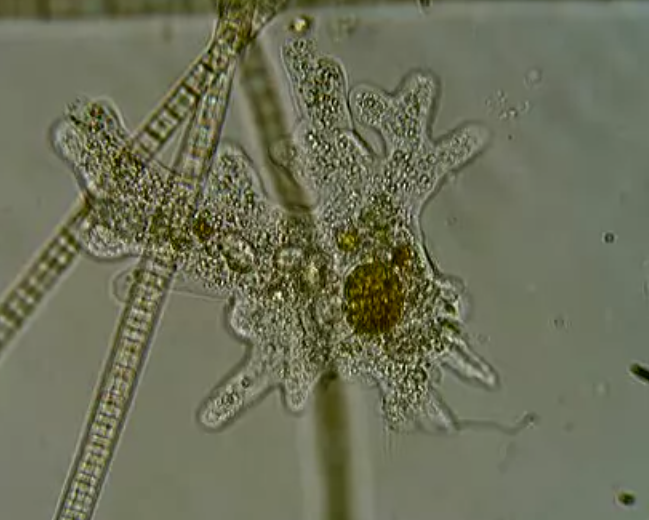
The clade includes two large kingdoms commonly recognized in everyday biology: animals and fungi. It also encompasses smaller, mostly single-celled groups such as choanoflagellates (important for understanding the origin of animals) and amoeboid lineages related to fungi. Taxonomists often treat Opisthokonta as a supergroup or superkingdom in higher-level classifications (superkingdom).
History and classification
The concept emerged from molecular systematics in the late 20th and early 21st centuries, when gene and genome comparisons revealed a closer relationship between animals and fungi than previously assumed. Opisthokonts are usually placed within the broader assemblage sometimes called Unikonta, though some researchers prefer to use Opisthokonta specifically because it refers to a well-supported monophyletic lineage.
Significance and research
Understanding Opisthokonta is central to studies of the evolution of multicellularity, development and fungal biology. Single-celled relatives like choanoflagellates serve as living models for reconstructing the traits present in the last common ancestor of animals. Ongoing genomic and cell-biological work continues to refine relationships within the group and clarify the features inherited by animals and fungi from their common ancestor.
Distinctions and notable facts
While opisthokonts are united by multiple lines of evidence, the exact internal branching order and the limits of some minor lineages are active areas of research. The term Opisthokonta emphasizes shared ancestry and specific cellular characters, and it is now widely used in contemporary classifications of eukaryotes.
superkingdom | animals | fungi | unikonts | Eukaryota
Related articles
Author
AlegsaOnline.com Opisthokonts: animals, fungi and their unicellular relatives Leandro Alegsa
URL: https://en.alegsaonline.com/art/72852
Sources
- pnas.org : "Estimating the timing of early eukaryotic diversification with multigene molecular clocks"
- doi.org : 10.1073/pnas.1110633108
- ncbi.nlm.nih.gov : 3158185
- pubmed.ncbi.nlm.nih.gov : 21810989 · archive.org
- doi.org : 10.1111/j.1550-7408.2005.00053.x
- pubmed.ncbi.nlm.nih.gov : 16248873
- onlinelibrary.wiley.com : onlinelibrary.wiley.com/doi/10.1111/j.1550-7408.2005.00053.x/abstract;jsessionid=CA65FC38…
- ncbi.nlm.nih.gov : PMID 16248873