
Organ system
An organ system is a collection of organs that cooperate to carry out broad physiological functions; this article explains organization, examples, development, and significance in health and biology.
An organ system is an organized collection of organs and tissues that work together to perform one or more major functions necessary for an organism's survival. In multicellular animals, organs are assemblies of tissues; organ systems coordinate those organs to regulate processes such as transport, nutrition, defense, movement, reproduction and internal balance. For a general introduction to the subject in a biological context see biology, and for the concept of the individual components see organs.
Image gallery
1 Image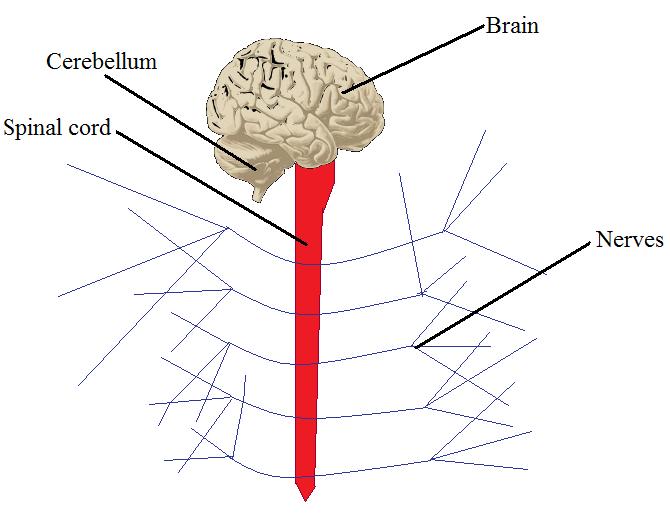
Components and common examples
Each organ system is defined by the role it plays and the primary organs it contains. Typical systems in vertebrates include:
- Circulatory system: heart, blood, and vessels
- Respiratory system: lungs and airways
- Digestive system: stomach, intestines, liver
- Nervous system: brain, spinal cord, nerves
- Musculoskeletal, endocrine, urinary, reproductive, immune/lymphatic, and integumentary systems
Function and integration
Organ systems do not act in isolation. They exchange chemical signals, blood flow, and neural inputs to maintain homeostasis. Feedback mechanisms—hormonal and neural—allow systems to adjust activity in response to internal or external changes. For example, the respiratory and circulatory systems cooperate to deliver oxygen and remove carbon dioxide.
Development and evolution
Organ systems develop during embryogenesis from primary germ layers (ectoderm, mesoderm, endoderm). Across evolutionary history, systems have diversified: simpler animals may have few specialized systems, while vertebrates have elaborate, highly integrated systems that arose through adaptation to ecological niches.
Importance and distinctions
Understanding organ systems is essential in medicine, physiology, and comparative anatomy. Diseases are often described by the system they affect (e.g., cardiovascular disease, respiratory infection). Note the distinction between a single organ, a tissue, and an organ system: tissues compose organs, and organs combine to form systems whose collective function exceeds the abilities of parts alone.
Related articles
Author
AlegsaOnline.com Organ system Leandro Alegsa
URL: https://en.alegsaonline.com/art/73086