
Optic tectum: structure, function, and evolutionary roles
An overview of the optic tectum, a layered midbrain center for vision and orienting behavior in vertebrates, its structure and function, species differences, and relevance to research and clinical neurology.
Overview
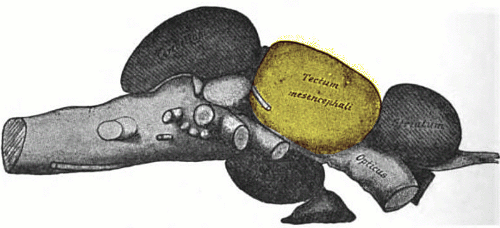
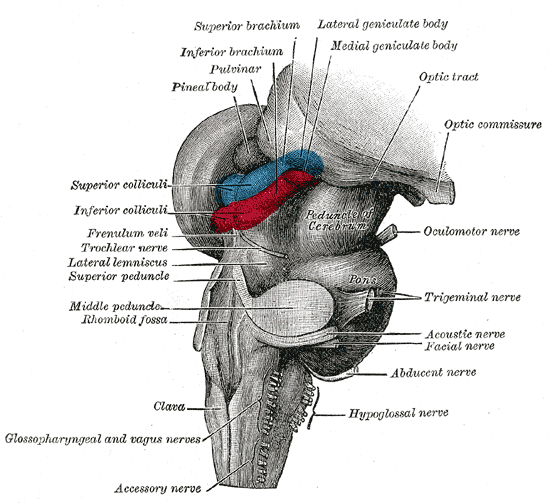
The optic tectum is a prominent, layered nucleus of the midbrain that organizes visual and orienting behavior in many vertebrates. In fishes (fish), reptiles, and birds it serves as the principal visual processor, integrating incoming light-driven signals with motor commands. In mammals (mammals) this region is usually referred to as the superior colliculus and shares processing duties with the visual cortex situated in the cerebral cortex of the neocortex. The optic tectum therefore provides both perception-related and reflexive functions across vertebrate species.
Image gallery
7 Images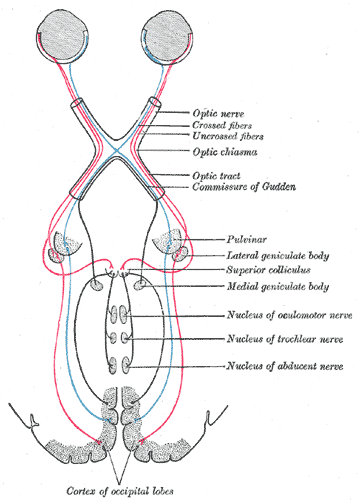

Structure and circuitry
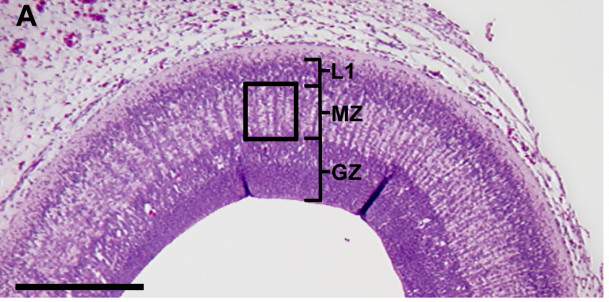
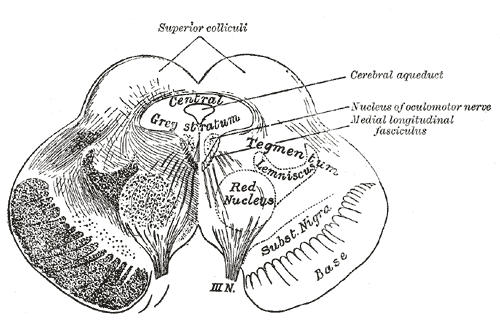
Anatomically the tectum is arranged in layers: superficial layers receive direct retinal input and form a topographic map of visual space, while deeper layers contain neurons that project to motor centers and receive multimodal inputs. This laminar organization supports rapid transformations from sensory coordinates to movement commands, linking sight with orienting actions such as eye, head, or body turns. The tectum also receives inputs from other sensory systems and from higher brain areas, enabling multisensory integration and attention shifts.
Functions and examples
Key functions commonly attributed to the optic tectum include:
- Construction of a spatial map of the visual field from retinal projections.
- Guidance of reflexive orienting movements and gaze shifts.
- Multisensory integration to enhance detection of salient stimuli.
- Early-stage processing that filters and prioritizes sensory inputs for further cortical analysis.
These roles are evident in experiments and behavioral observations across taxa: rapid prey capture in birds, looming-response avoidance in fish, and orienting saccades in mammals are all linked to tectal circuits.
Evolutionary perspective and species differences
The relative importance of the optic tectum varies among vertebrates. In non-mammalian vertebrates it often dominates visual processing and decision-making for orienting reactions, whereas in primates and many other mammals, cortical visual areas perform detailed pattern analysis while the superior colliculus handles preliminary spatial mapping and gaze control. Comparative studies show conservation of basic tectal motifs but also species-specific specializations reflecting ecological needs.
Clinical, developmental, and research relevance
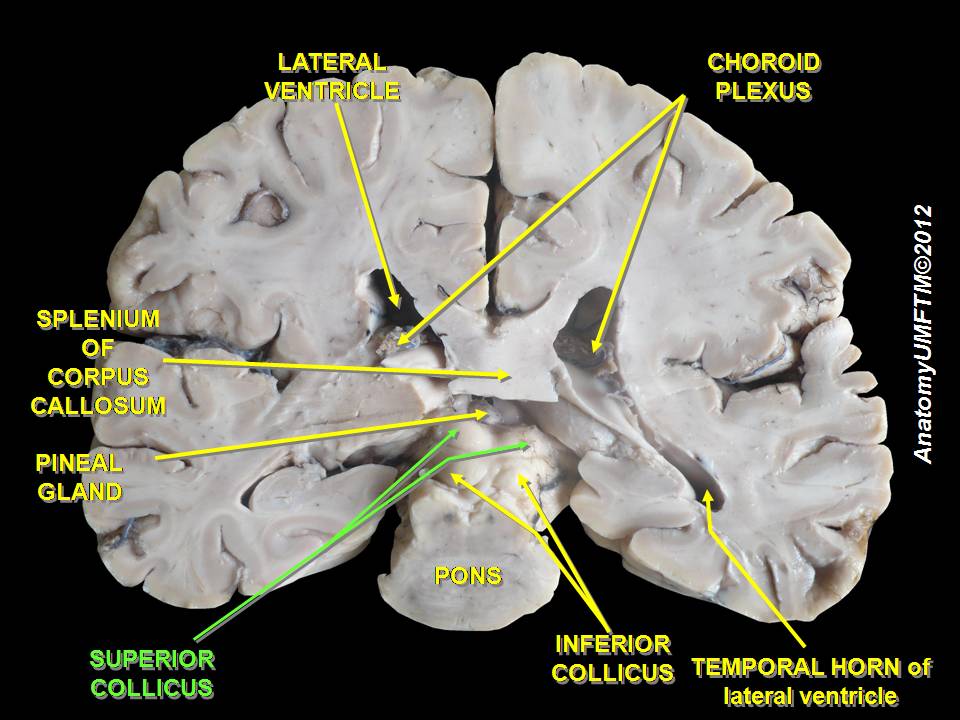
In human-focused anatomy and neurology texts the term superior colliculus corresponds to the tectum and is discussed in relation to eye-movement control, attention, and some reflex pathways (human anatomy). Lesions or dysfunction can affect orienting responses and gaze behavior. The tectum/superior colliculus remains a key model in neuroscience for studying sensorimotor transformation, development of topographic maps, and multisensory integration, and it also inspires algorithms for computer vision and robotic orientation. For further general background on vertebrate brain organization see broader summaries of the brain.
Questions and answers
Q: What is the optic tectum?
A: The optic tectum is a major part of the midbrain of vertebrates.
Q: What is the function of the optic tectum in fish, reptiles, and birds?
A: In fish, reptiles, and birds, the optic tectum is the main visual processor of the brain.
Q: What part of the brain does most of the visual processing in mammals?
A: Most of the visual processing in mammals is done in the visual cortex, which is at the back of the cerebral cortex.
Q: What is the function of the tectum in preliminary visual processing?
A: The tectum does preliminary visual processing.
Q: What does the tectum control?
A: The tectum controls eye movement.
Q: What does the term "superior colliculus" refer to in human anatomy textbooks?
A: When human anatomy textbooks use the term superior colliculus they are referring to the tectum.
Q: Is the diagram mentioned in the text based on human anatomy?
A: Yes, the diagram mentioned in the text is based on human anatomy.
Related articles
Author
AlegsaOnline.com Optic tectum: structure, function, and evolutionary roles Leandro Alegsa
URL: https://en.alegsaonline.com/art/72883
Sources
- doi.org : 10.1016/S0079-6123(01)34009-8
- pubmed.ncbi.nlm.nih.gov : 11702538
- doi.org : 10.1038/384074a0
- pubmed.ncbi.nlm.nih.gov : 8900281