
Onyx: banded chalcedony used as gemstone and ornamental stone
Onyx is a variety of chalcedony (microcrystalline quartz) known for parallel banding, used historically and today for jewelry and decorative carving; often treated or confused with other stones.
Onyx commonly refers to a banded form of chalcedony, a microcrystalline variety of quartz. It is best known for its parallel layers of contrasting color, traditionally black bands alternating with white or other hues. The word "onyx" comes from the ancient Greek term for a fingernail or claw and has been prized for carving and ornamentation for millennia. Modern sources and gemstone guides discuss onyx both as a natural mineral variety and as a commercial material subject to cutting and enhancement.
Image gallery
5 Images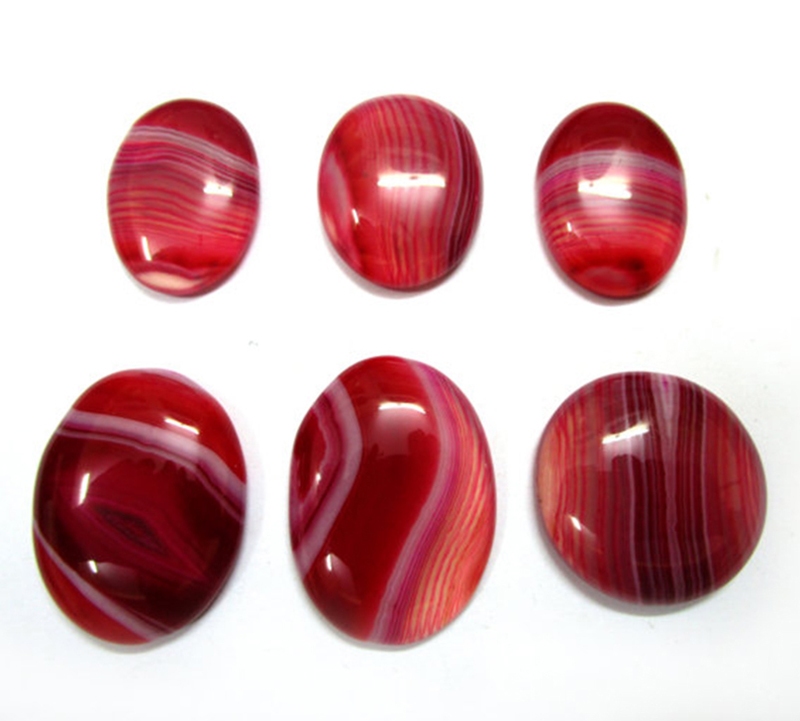
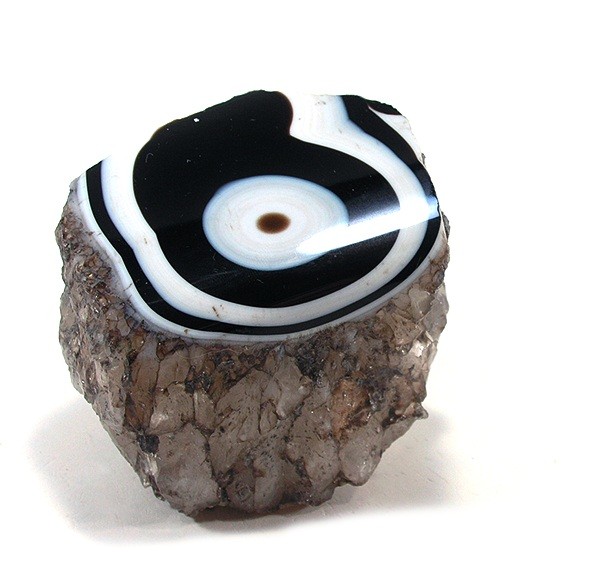


Characteristics
Onyx is composed primarily of silica (SiO2) and typically exhibits a waxy to vitreous luster. Its hardness on the Mohs scale is about 6.5–7, which makes it suitable for jewelry but softer than many other gemstones. Common identifying features include:
- Parallel, banded layering rather than the concentric banding of agate.
- Color ranges from classic black-and-white to brown, red, green, or layered tones.
- Can be dyed or heat-treated; black onyx sold commercially is often tinted.
Formation and history
Onyx forms where silica-rich fluids deposit successive layers in cavities and fissures, often within volcanic rock or as replacement in limestones. Archaeological and historical records show onyx used in ancient cultures for signet rings, cameos and amulets. Roman and Egyptian artisans valued its stability and contrast for detailed carving and inlay work.
Uses and cultural importance
Today onyx remains popular in jewelry—cabochons, beads, and intaglios—and in decorative objects such as boxes and small sculptures. It is commonly carved for cameos when layers of different color produce contrasting relief. Contemporary lapidary practice sometimes dyes chalcedony to imitate deeper black onyx, so buyers are advised to seek reputable sourcing and disclosure.
Distinctions and notable facts
Onyx is often confused with other black stones or with materials labeled "onyx marble" (a trade name for banded calcite or travertine). It also differs from obsidian (volcanic glass) in structure and composition. For reference or further reading see Onyx and general mineral guides that explain identification, treatments and care.
Care: Clean onyx with mild soap and water and avoid harsh chemicals or ultrasonic cleaners to preserve polish and prevent damage.
Related articles
Author
AlegsaOnline.com Onyx: banded chalcedony used as gemstone and ornamental stone Leandro Alegsa
URL: https://en.alegsaonline.com/art/72709