
Yarkon Cemetery — municipal burial ground in Petah Tikva, Israel
Municipal cemetery in Petah Tikva established in 1991 beside the Yarkon River; the burial place of many Israeli public figures and artists, including Ofra Haza.
Overview
The Yarkon Cemetery is a municipal burial ground located in Petah Tikva in central Israel. It was established in 1991 and takes its name from the nearby Yarkon River. The site serves as one of the principal cemeteries for the surrounding urban area and is known as the final resting place for a number of Israeli cultural figures, including the singer Ofra Haza.
Image gallery
3 Images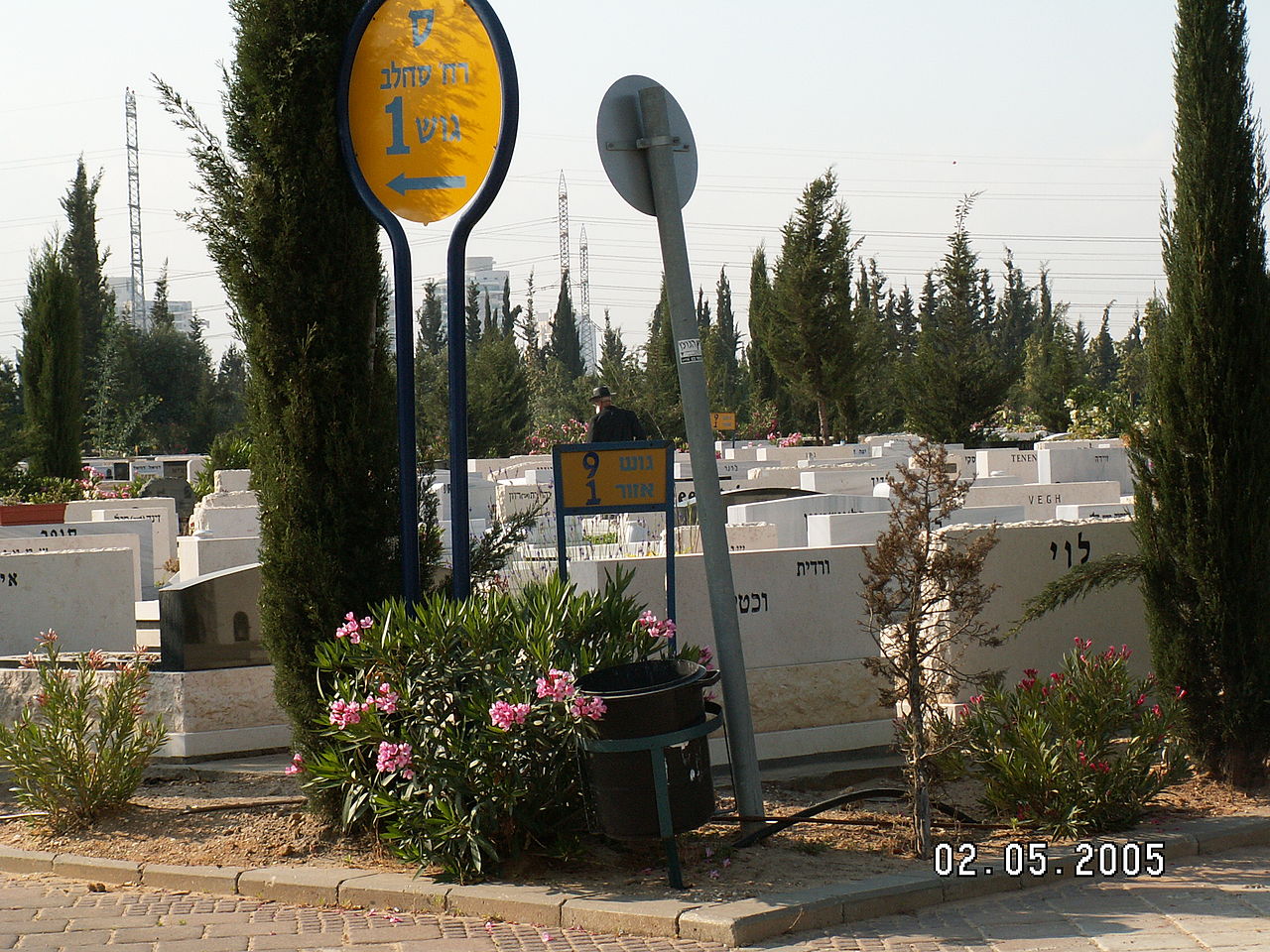


Location and access
The cemetery lies in the vicinity of Petah Tikva, a city east of the Tel Aviv metropolitan area; geographic coordinates commonly cited for the area are 32.11556°N 34.87000°E. For context, Petah Tikva is part of the Central District of Israel and the cemetery is identified on municipal maps and civil registries under the name Yarkon Cemetery. The river that gives the cemetery its name, the Yarkon, runs nearby and is a prominent landscape feature in the region.
Characteristics and layout
As a large municipal cemetery established toward the end of the 20th century, Yarkon Cemetery was planned to accommodate a range of burial needs for a growing urban population. Typical features include marked plots, paved access routes, and perimeter landscaping. Cemeteries in Israel commonly reflect the religious and cultural diversity of their communities, and municipal sites often include areas intended for different traditions and for commemorating public figures and communal events.
History and development
Opened in 1991, Yarkon Cemetery reflects late 20th‑century municipal planning for expanding urban populations around Tel Aviv. Its creation responded to local needs for burial capacity and for an organized, maintained site that municipal authorities could manage. Over time, the cemetery has become associated with several notable interments and with memorial practices used by families from the surrounding towns and cities.
Notable burials and cultural significance
Yarkon Cemetery contains graves of artists and public figures whose lives had national or regional influence. The burial of a widely known performer such as Ofra Haza has drawn public attention and visitors, and contributes to the cemetery’s recognition in cultural memory. The site therefore functions both as an active municipal cemetery and as a place of remembrance for people who are part of Israel’s contemporary cultural history.
Visiting and related information
- Visitors typically consult municipal records or local authorities for directions and visiting hours in Petah Tikva (Petah Tikva).
- Because of its association with the Yarkon River, the cemetery is often referenced in regional maps and guides that also note nearby green corridors and urban infrastructure.
- For administrative or genealogical inquiries, official municipal and civil offices are the usual points of contact; public references may use the name Yarkon Cemetery when listing burial locations.
As with many modern municipal cemeteries, Yarkon Cemetery combines practical functions for local populations with a role in collective memory, marking both private bereavement and public commemoration in the heart of Israel’s central district.
Related articles
Author
AlegsaOnline.com Yarkon Cemetery — municipal burial ground in Petah Tikva, Israel Leandro Alegsa
URL: https://en.alegsaonline.com/art/109649