
Octene
Octene is an eight‑carbon alkene (C8H16) that exists in several isomeric forms. It is used industrially as an alpha‑olefin feedstock and intermediate in plastics, detergents and lubricants.
Octene refers to any hydrocarbon molecule with eight carbon atoms and one carbon–carbon double bond, with the general formula C8H16. As a member of the alkene family it is unsaturated and reactive at the double bond. The name octene does not identify a single structure; instead it denotes a class of positional and geometric isomers that share the same molecular formula.
Image gallery
1 Image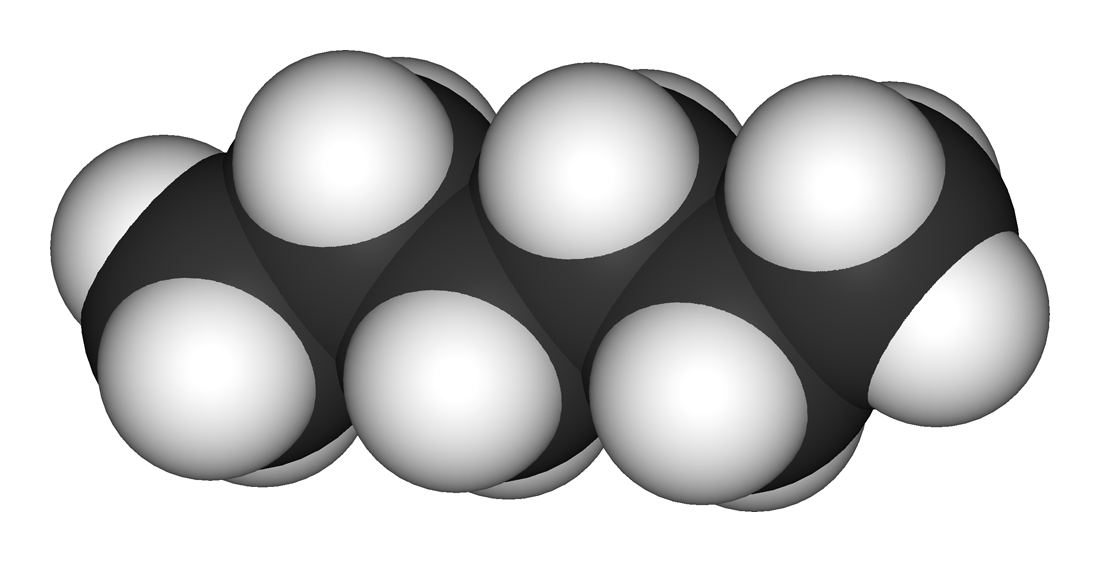
Structure and isomers
Isomers of octene differ in where the double bond is located (for example, 1‑octene has the double bond at the end of the chain) and in the arrangement around that bond (cis or trans for internal double bonds). There are linear and branched isomers; the most industrially important is 1‑octene, a linear alpha‑olefin. The double bond imparts typical alkene reactivity such as additions and polymerization.
Production and development
Octenes are produced in petrochemical processes including the oligomerization of ethylene and cracking or refining of larger hydrocarbon feeds. Catalytic methods used in industry include Ziegler‑type catalysts and other transition‑metal systems that selectively give linear alpha‑olefins like 1‑octene. Historical growth in demand followed development of modern polyethylene and surfactant chemistries.
Uses and applications
- Comonomer in linear low‑density polyethylene (LLDPE) and specialty polyethylenes.
- Intermediate to alcohols via hydroformylation (oxo process), which then become detergents, plasticizers and lubricants.
- Building block in synthesis where a reactive terminal double bond is needed.
Safety, environmental and distinguishing facts
Octenes are generally flammable, poorly soluble in water and handled as volatile organic compounds with appropriate precautions. They should not be confused with octane (a saturated alkane) or with cyclic eight‑carbon compounds. Choice of a particular octene isomer matters in applications: 1‑octene is prized for predictable reactivity, while internal or branched octenes may be used when different chemical or physical properties are required.
Related articles
Author
AlegsaOnline.com Octene Leandro Alegsa
URL: https://en.alegsaonline.com/art/71893