
Ob (river)
Major Siberian river that, together with its main tributary the Irtysh, forms one of the largest river systems in the world; important for navigation, ecology and regional industry.
Overview
The Ob is a great river of western Siberia, known for forming one of the continent's largest fluvial systems. It is commonly described as the Ob–Irtysh system when its principal tributary is included. Depending on where measurements begin and whether tributary length is counted, the river is variously reported at roughly 3,650 km to more than 6,200 km in combined length. The Ob drains vast tracts of taiga and tundra and empties into the Kara Sea via the broad Gulf of Ob. Siberia is the wider region through which it flows, and the term river is used here in that continental context.

Image gallery
9 Images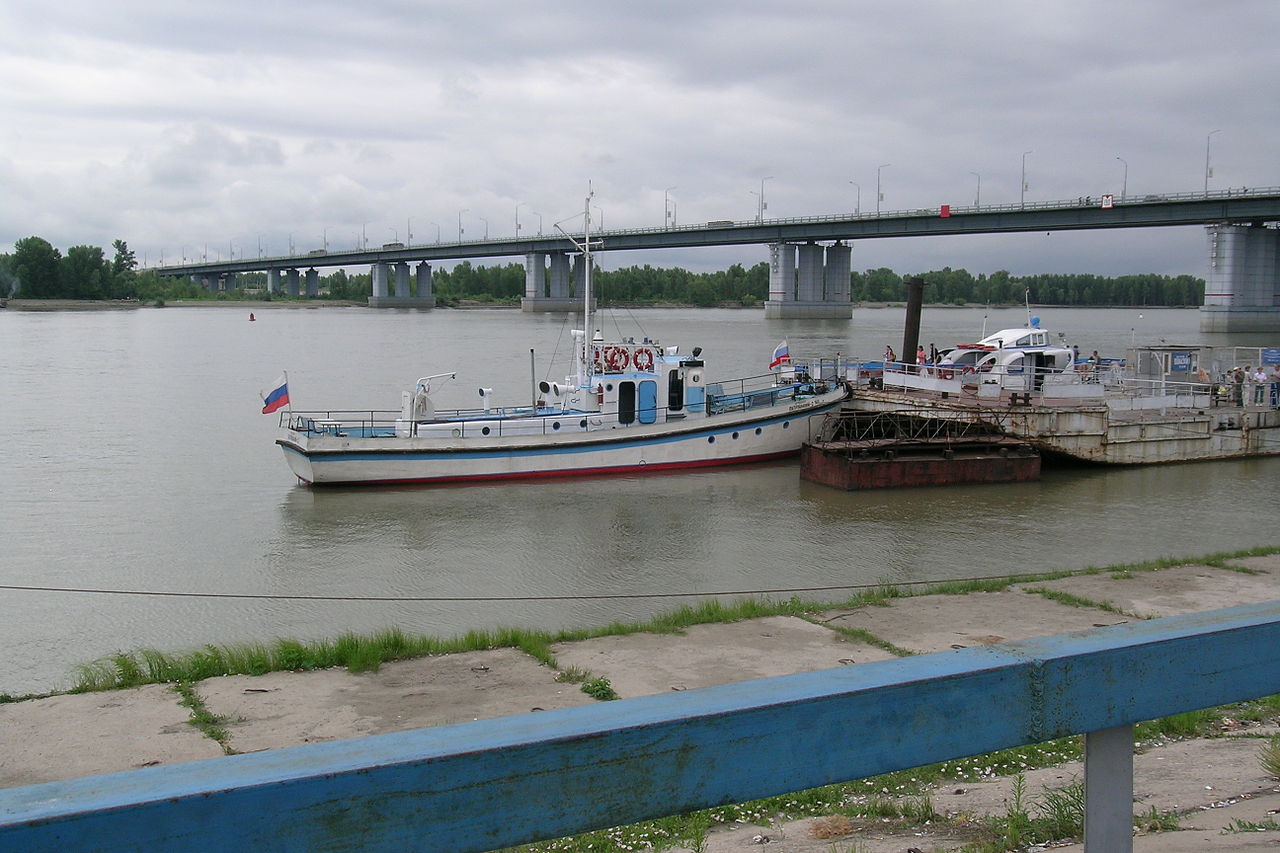


Course, tributaries and cities
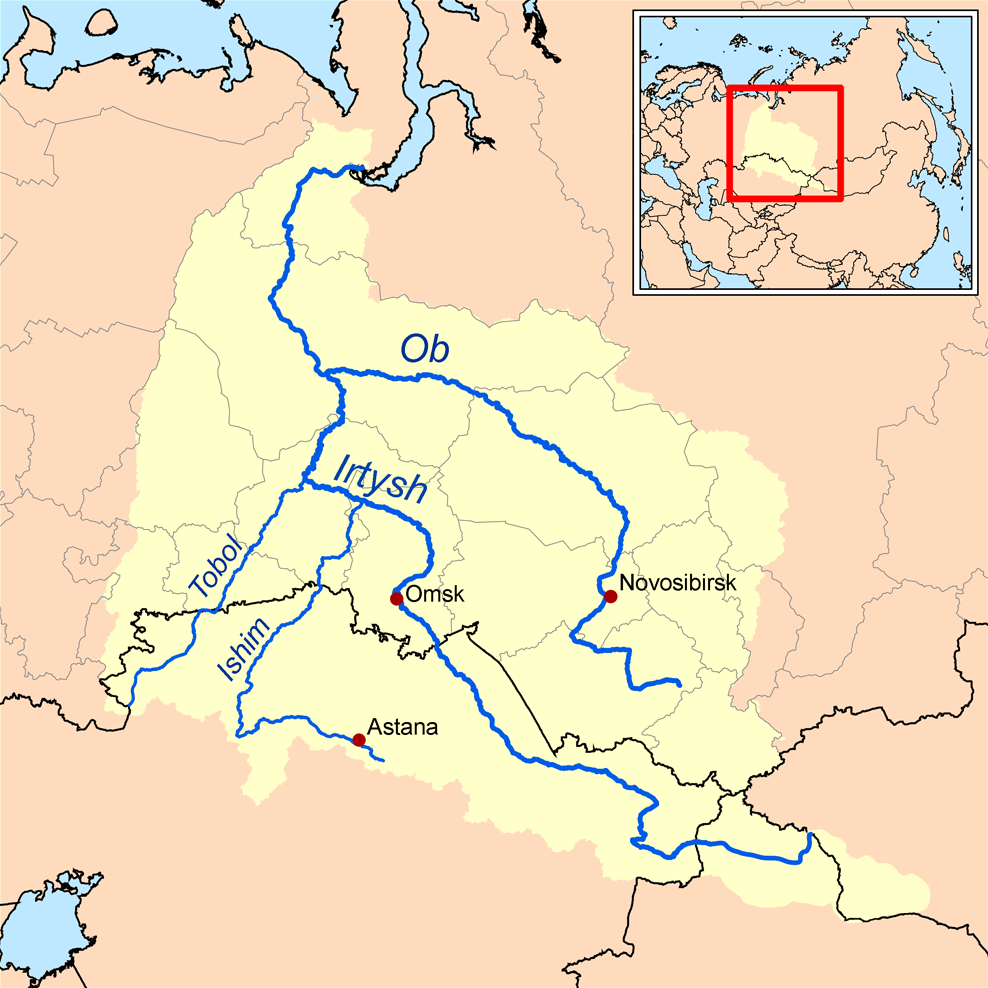
The Ob rises in the Altai-Sayan mountain area and gains volume as it flows north and northwest. Its principal tributary is the Irtysh, which adds much of the downstream flow. Other important tributaries include:
- Tobol
- Ishim
- Omsk (river)
- Parabel and Chaya
Major urban centers on the Ob and its system include:
- Novosibirsk — a large industrial and cultural hub
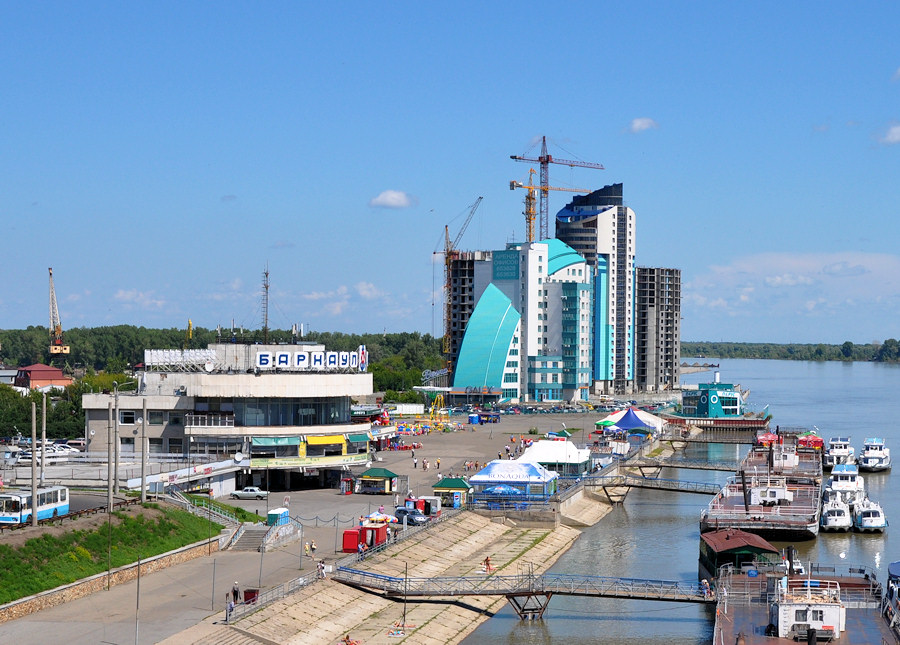
- Omsk, Barnaul, Surgut, Nizhnevartovsk, Khanty-Mansiysk and Salekhard
Delta, climate and hydrology
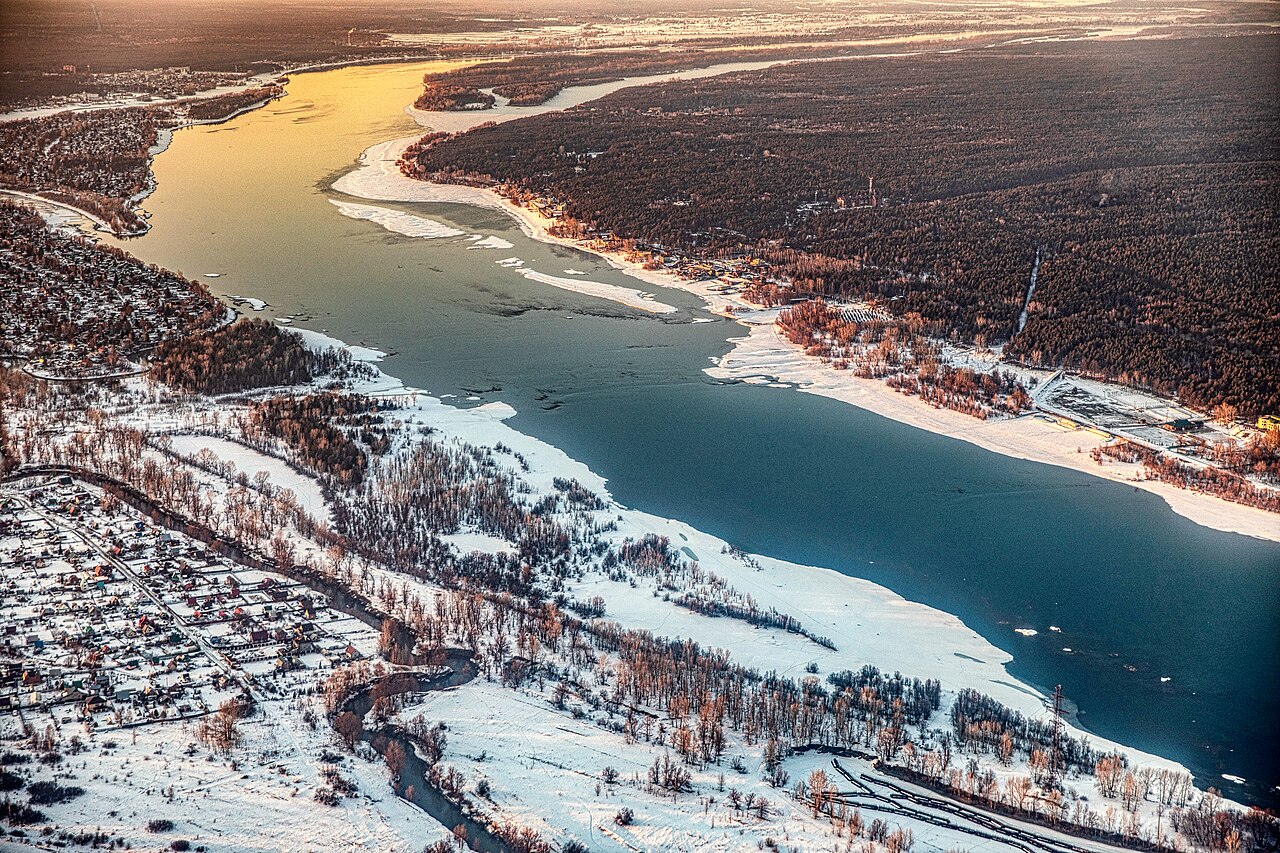
The Ob's lower reaches form a wide, marshy delta that is seasonally influenced by ice cover and spring snowmelt. The region experiences long, cold winters and short summers typical of the West Siberian Plain. Seasonal floods and ice jams strongly affect navigation and the floodplain ecology. The Ob–Irtysh system carries large volumes of freshwater toward the Arctic Ocean and is a key component of northern hydrology.
Human uses and economic importance
The river supports inland navigation for cargo and passenger transport, especially in summer months when ice retreats. River ports and cities developed along its banks to serve forestry, agriculture, and especially the petroleum and natural gas industries in western Siberia. Fishing and limited riverine agriculture are traditional uses. Industrial development has increased the strategic importance of the basin while also creating environmental pressures.
History, peoples and ecology
The Ob basin has long been inhabited by indigenous groups such as the Khanty and Mansi, whose cultures and livelihoods have been tied to riverine resources. From the 16th century onward the area was gradually incorporated into the expanding Russian state, which established outposts and later industrial towns. The river supports diverse habitats — wetlands, forests and tundra margins — though pollution, damming and oil-related activity have raised conservation concerns.
Notable distinctions
Alongside the Lena and Yenisei, the Ob is often listed among Siberia's principal rivers for its length, basin size and contribution to Arctic drainage. Its combined system with the Irtysh is one of the world's major river networks by catchment area and economic role in northern Eurasia. For maps and media related to the river see related resources and collections. Lena and other rivers provide context for comparing Siberian waterways; further local details are available from regional sources. Irtysh and other tributaries are central to understanding the Ob's scale and reach. Novosibirsk remains an important reference point for the river's human geography.
Related articles
Author
AlegsaOnline.com Ob (river) Leandro Alegsa
URL: https://en.alegsaonline.com/art/71655