
Oberegg — district and exclave of Appenzell Innerrhoden, Switzerland
Oberegg is a district of the canton Appenzell Innerrhoden known for its small exclaves, rural landscape, historical ties from the Reformation era, and traditional Appenzell culture.
Oberegg District is one of the political districts of the canton Appenzell Innerrhoden in Switzerland. The district is unusual because it includes two small exclaves located a few miles northeast of the main body of the canton. These detached territories sit amid neighbouring cantons and create a distinctive administrative geography.

Image gallery
2 Images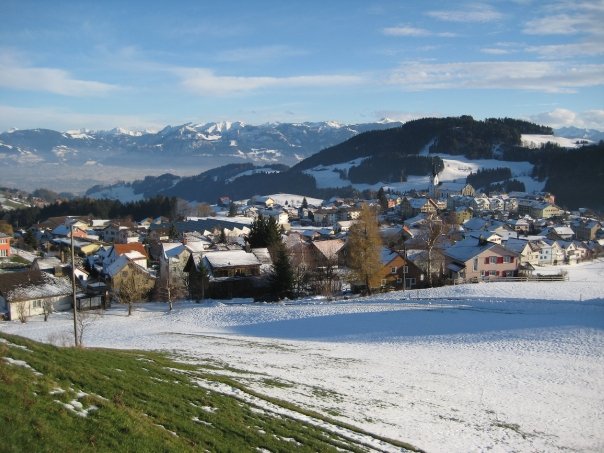

Geography and administration
Oberegg occupies hilly terrain at the edge of the pre-Alpine region, with a mix of pasture, woodland and settled villages. As a district it performs local administrative roles within the compact cantonal structure of Appenzell Innerrhoden, where traditional forms of communal decision-making remain important. The exclaves are separated from the rest of the canton by territory of other cantons, which affects local services, road links and jurisdiction.
History and identity
The present boundaries of Oberegg reflect historical religious and political divisions in the Appenzell region. In the wake of the Reformation, communities in this area aligned differently, and the resulting partition of the historic territory left some Catholic communities isolated from the main canton. Over time these historical patterns have shaped local identity, customs and institutional ties.
Economy, culture and transport
Economic life in Oberegg is characteristic of many rural Swiss districts: agriculture (notably dairy farming), small-scale crafts and local services predominate, supplemented by tourism and outdoor recreation. Traditional Appenzell customs, folk music and crafts are important cultural features. Transport connections follow regional roads that link the exclaves to neighbouring municipalities; occasional administrative arrangements are necessary because of the canton‑to‑canton borders.
Notable facts
- Oberegg contains exclaves that require travel through other cantons to reach the main body of Appenzell Innerrhoden.
- The district illustrates how religious and political changes in the early modern period influenced Swiss territorial arrangements.
- Visitors can experience local traditions and scenic walks typical of the pre‑Alpine Appenzell landscape; practical information is available from regional authorities and visitor centres (local services, district information).
For administrative details, maps and practical travel guidance consult cantonal resources and local municipal offices. Further historical background and cultural descriptions can be found through regional archives and tourism sites (canton page, local history).
Related articles
Author
AlegsaOnline.com Oberegg — district and exclave of Appenzell Innerrhoden, Switzerland Leandro Alegsa
URL: https://en.alegsaonline.com/art/71682