
Oberblegisee
Oberblegisee is a small alpine lake in the canton of Glarus, Switzerland, known for its mountain setting below the Glärnisch peaks. It is a destination for hikers and nature enthusiasts.
Overview
Oberblegisee is a small mountain lake in eastern Switzerland. It lies in the canton of Glarus and sits above the village of Luchsingen, framed by the steep ridges of the Glärnisch massif. The lake's surface area is about 0.17 square kilometres, making it a modest but scenic alpine basin prized for clear water and mountain views. For general information see Oberblegisee.
Image gallery
4 Images
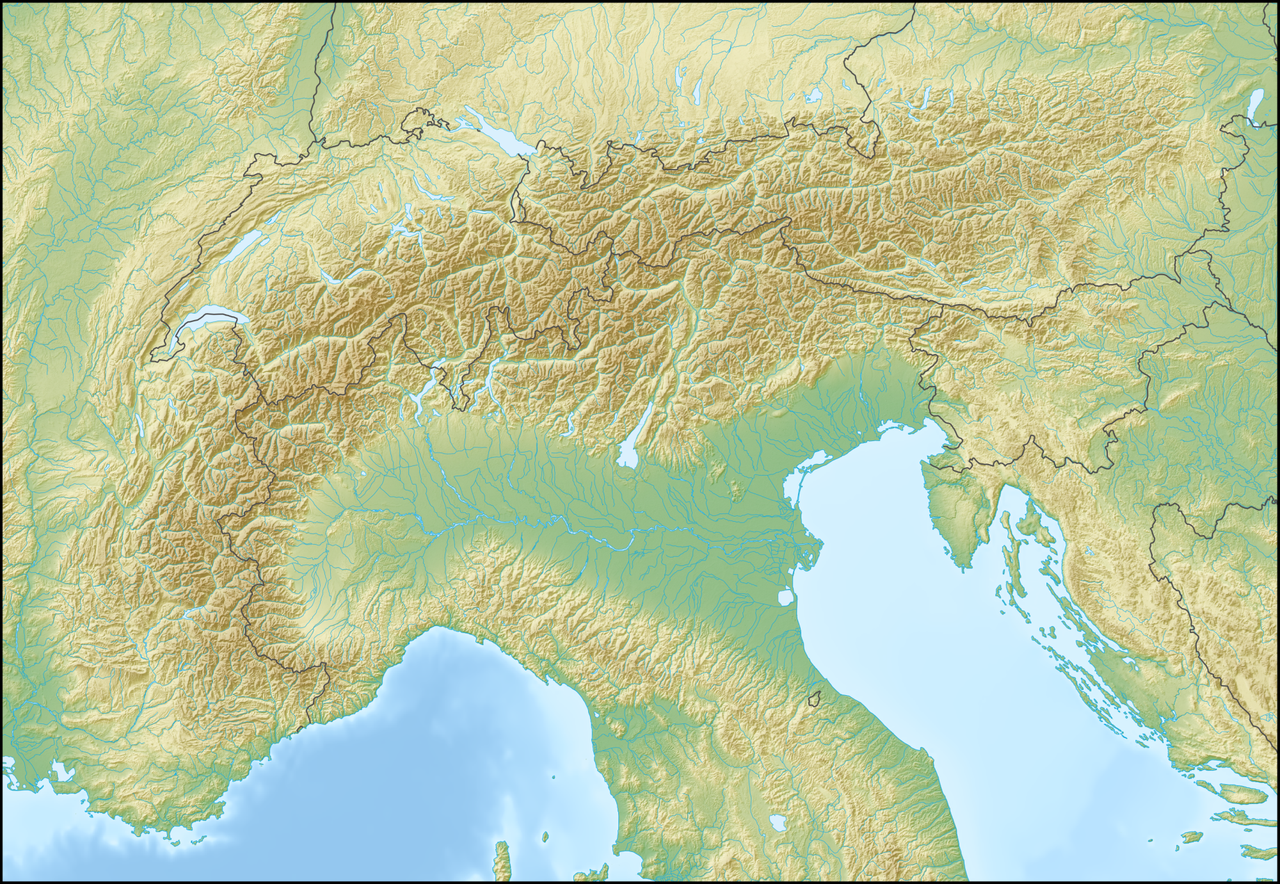


Geography and characteristics
The basin occupies a high valley with rocky slopes and alpine meadows around its shores. Typical features include a rocky shoreline, limited marshy fringe, and cold, oligotrophic waters that support specialized aquatic life. Oberblegisee is part of the regional watershed and contributes to downstream streams that run toward the valley floor in the canton of Glarus and beyond into broader Swiss river systems. The lake is set within the national context of Switzerland.
Origin and natural history
The lake owes its existence to past glacial activity and mountain erosion. Like many small alpine lakes, it occupies a depression carved or left behind by glaciers during the last ice age; subsequent post-glacial processes shaped its basin and inflow channels. Vegetation around Oberblegisee follows typical alpine zonation, with grasses, low shrubs and scattered wildflowers in summer, and a short growing season influenced by elevation and exposure.
Access, recreation and importance
Oberblegisee is accessible on foot from nearby settlements such as the municipality of Luchsingen and by marked hiking trails that climb into the Glärnisch area. The lake is popular with day hikers, photographers and those seeking quiet nature experiences. Typical activities are short walks, picnicking and wildlife observation. There are no large facilities on site, which helps preserve the lake's natural character.
Notable facts and conservation
Although small in area, Oberblegisee is notable for its dramatic alpine backdrop and the contrast between steep peaks and the calm water surface. Its relatively undisturbed environment makes it relevant for local conservation and for visitors interested in alpine ecosystems. Hikers are advised to follow local guidance to protect fragile habitats, and seasonal weather can change quickly in the Glärnisch region, so proper preparation is recommended.
- Surface area: approximately 0.17 km².
- Setting: alpine lake below the Glärnisch peaks.
- Nearby settlement: Luchsingen.
Further reading and practical details such as trail descriptions, maps and seasonal advice can be found via local outdoor and municipal resources linked above. For more on the local landscape and protection measures consult regional guides and official information portals.
Related articles
Author
AlegsaOnline.com Oberblegisee Leandro Alegsa
URL: https://en.alegsaonline.com/art/71670