
Nutcracker: tool, types, history and cultural significance
A nutcracker is a tool for opening hard-shelled nuts. This article explains how nutcrackers work, common designs, historical notes, culinary and cultural uses, and safety and industrial considerations.
A nutcracker is a simple mechanical device used to break the shells of edible nuts so the kernels can be removed. Traditional hand-held nutcrackers apply force to a shell until it splits, while larger or specialized machines process nuts in quantity. The basic purpose is to concentrate pressure on the shell without pulverizing the kernel inside.
Image gallery
5 Images
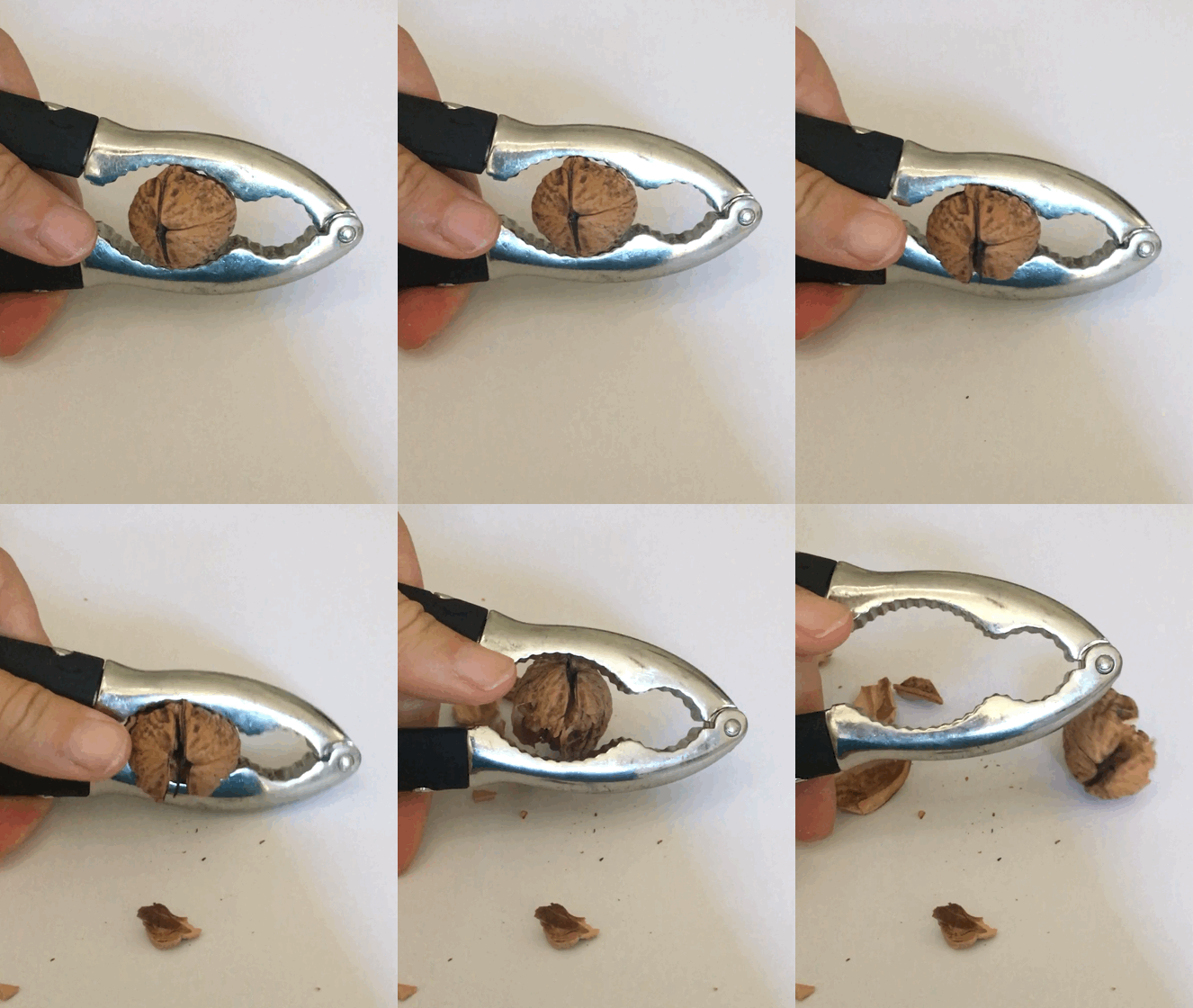


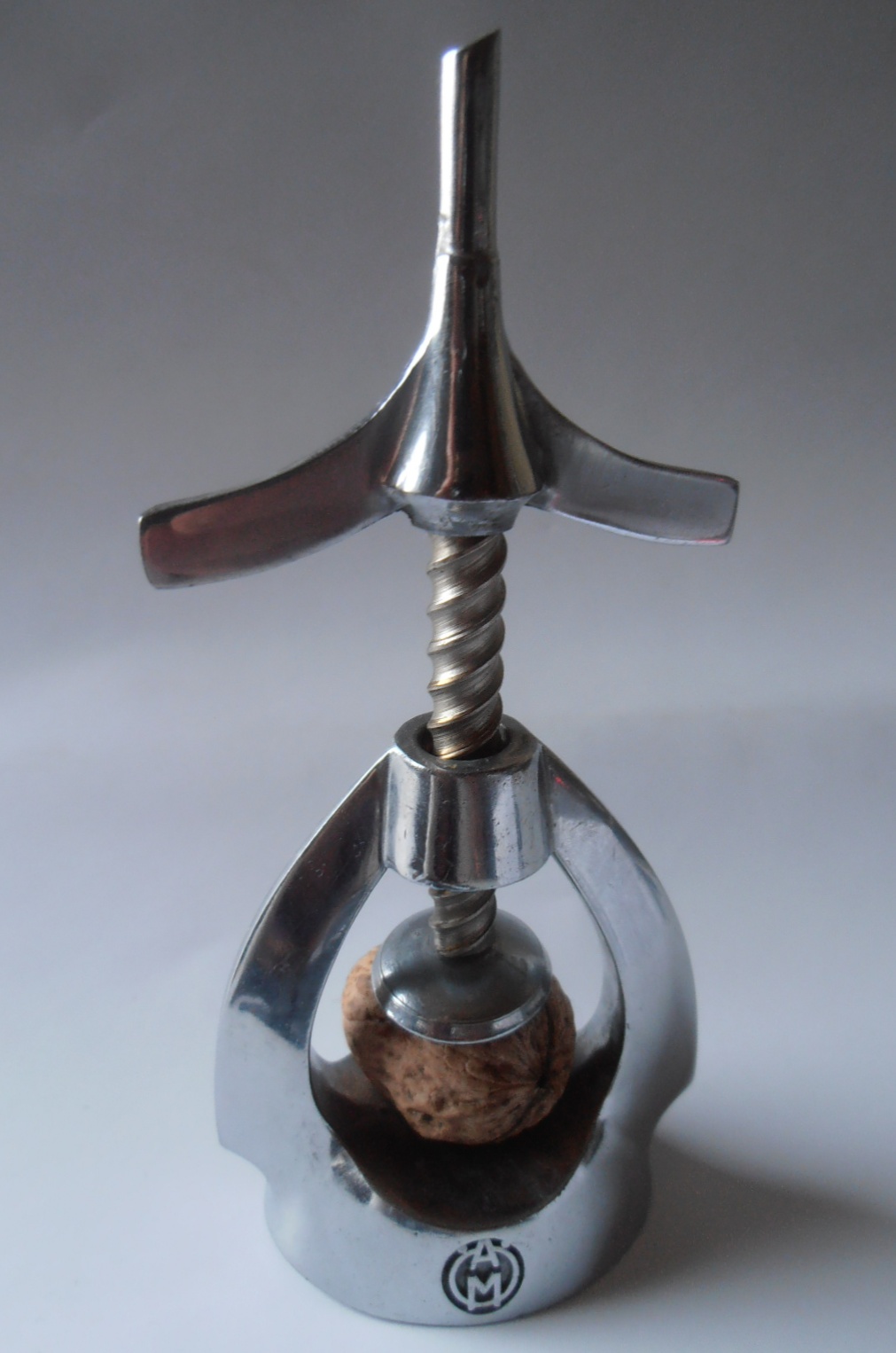
Designs and components
Most nutcrackers operate by converting a small hand motion into a stronger crushing force. Common components include jaws or a receptacle to hold the nut, a lever or screw to increase pressure, and a stop or cradle to position the nut. Materials range from cast iron and steel to wood and modern plastics. Typical consumer designs include:
- Lever or pliers style: two arms pivot on a fulcrum to squeeze the shell.
- Screw or vise style: a threaded shaft presses a plate against a nut for gradual, controlled cracking.
- Clamp, ratchet or cradle designs: hold the nut in place and apply force from different angles.
History and terminology
The English word "nutcracker" appears in records at least as early as 1481. Simple devices to open nuts have existed for centuries in many cultures. In Europe, wooden and metal nutcrackers were both practical kitchen tools and decorative objects. The German carved soldier or king-shaped figure — a spring-loaded wooden figure that grips a nut when its lever is depressed — became especially associated with folk art of the Ore Mountains (Erzgebirge).
Uses, techniques and examples
Nutcrackers are used in kitchens for walnuts, hazelnuts, almonds and other hard-shelled nuts. Effective use requires positioning the nut so pressure cracks the shell without crushing the kernel: smaller controlled squeezes or a screw-style device help preserve the edible meat. Beyond household use, industrial nut cracking machines process large quantities for commercial food production, separating shells from kernels by calibrated rollers, impacters or centrifugal devices.
Cultural significance and notable facts
The nutcracker also appears in literature and the arts: E.T.A. Hoffmann's 19th-century story inspired Tchaikovsky's famous ballet The Nutcracker, which popularized the decorative figure worldwide. Collected antique nutcrackers are sought by some enthusiasts, and the carved wooden soldier design has become a seasonal ornament in many countries.
Safety and distinctions
When using a nutcracker, wear caution to avoid pinched fingers or flying shell fragments; using a towel to catch shards reduces mess and risk. Distinguish hand tools from industrial equipment: household nutcrackers are designed for small batches and personal use, while commercial machines are engineered for continuous, high-volume processing. For more on tool types see lever and screw mechanisms, for information about the kinds of edible shells commonly cracked see nuts and their shells, and for general mechanical definitions see mechanical device.
Related articles
Author
AlegsaOnline.com Nutcracker: tool, types, history and cultural significance Leandro Alegsa
URL: https://en.alegsaonline.com/art/71502