
Original Equipment Manufacturer (OEM): definition, usage, and distinctions
An overview of OEM — what the term means, common contexts (automotive, electronics, computing, software), how OEM products differ from aftermarket or retail versions, and practical considerations.
Original Equipment Manufacturer (OEM) refers to a firm that produces parts or complete products intended to be sold under another company's brand or used as components in larger assemblies. In everyday usage, "OEM" can describe the maker of the original component, the version of a part that matches the original design, or a bundled product sold without full retail packaging or marketing materials.
Image gallery
1 Image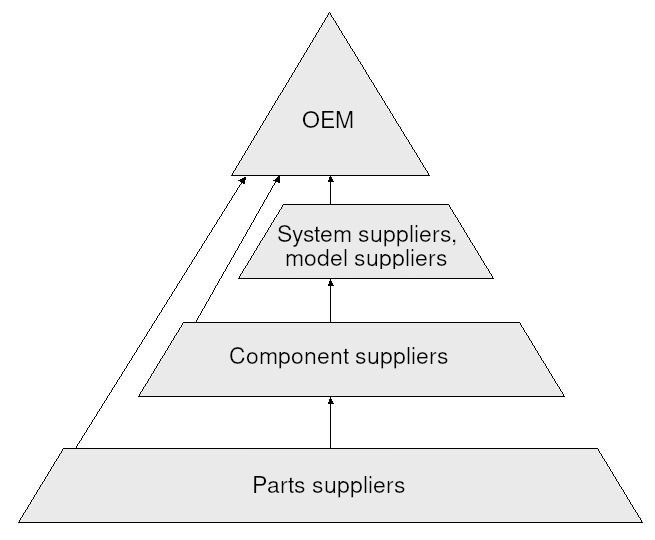
Definition and characteristics
OEM items are typically built to the specifications of the company that originally designed the finished product. Characteristics often associated with OEM products include simpler packaging, fewer included accessories, lower retail price compared with branded retail versions, and compatibility guarantees for the system for which they were intended. OEM offerings may come with limited direct support from the selling channel rather than the original brand.
Common contexts and examples
- Automotive parts: replacement components supplied to vehicle assemblers or sold as factory-equivalent spares.
- Electronics and appliances: original components used inside consumer devices or offered as service parts.
- Computing hardware: components such as hard drives, motherboards, or power supplies often labeled as OEM when sold to system builders; see computer parts.
- Software: versions licensed for system builders or preinstallation on new systems, often distributed without retail manuals or boxed extras; see computer programs.
OEM products are not necessarily lower in quality; they often match the original specifications. The difference usually lies in packaging, bundled extras, and the support model. For example, an OEM software license may be tied to a particular machine and supported by the system builder, not the publisher.
History and development
The term emerged from manufacturing supply chains where specialized firms produced components for larger assemblers. Over time it broadened to include any product or version intended for integration into a final product or for sale to resellers and system builders rather than direct retail customers. Global supply chains and the rise of personal computing increased visibility of OEM practices.
Advantages, drawbacks and practical advice
- Advantages: lower price, guaranteed fit for the intended product, access to parts not sold at retail.
- Drawbacks: limited packaging, fewer accessories, different warranty or support arrangements, and sometimes licensing restrictions.
- Advice: check warranty terms, compatibility, and whether the OEM item meets regulations or certification required for your use. For software, confirm whether the licence transfers with the machine or is tied to it.
Understanding the distinction between OEM, aftermarket, and other supply models—such as original design manufacturers (ODMs) or value-added resellers (VARs)—helps buyers make informed choices about cost, support, and long-term serviceability.
Related articles
Author
AlegsaOnline.com Original Equipment Manufacturer (OEM): definition, usage, and distinctions Leandro Alegsa
URL: https://en.alegsaonline.com/art/71994