
Nut (hardware)
A nut is a fastener with an internally threaded hole, commonly paired with a bolt to clamp parts together. Types, materials, standards, and installation practices affect strength and application.
A nut is a type of fastener with an internally threaded hole designed to mate with an externally threaded fastener such as a bolt. Together they form a simple and widely used method for joining components: the bolt provides clamping force while the nut secures the assembly by engaging the threads. Nuts exist in many shapes and sizes, chosen for the required strength, ease of installation, and environmental resistance.
Image gallery
10 Images
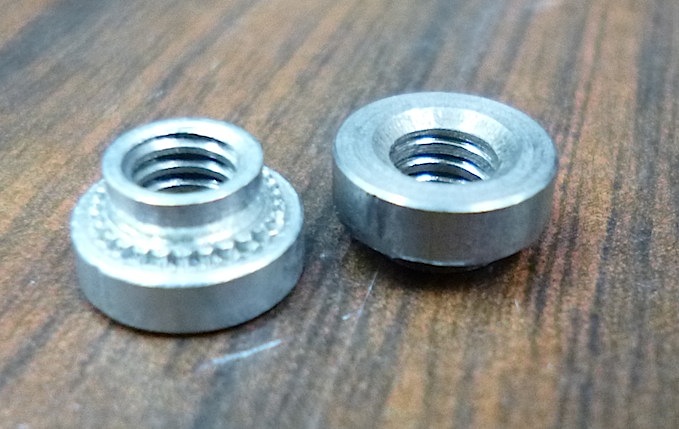


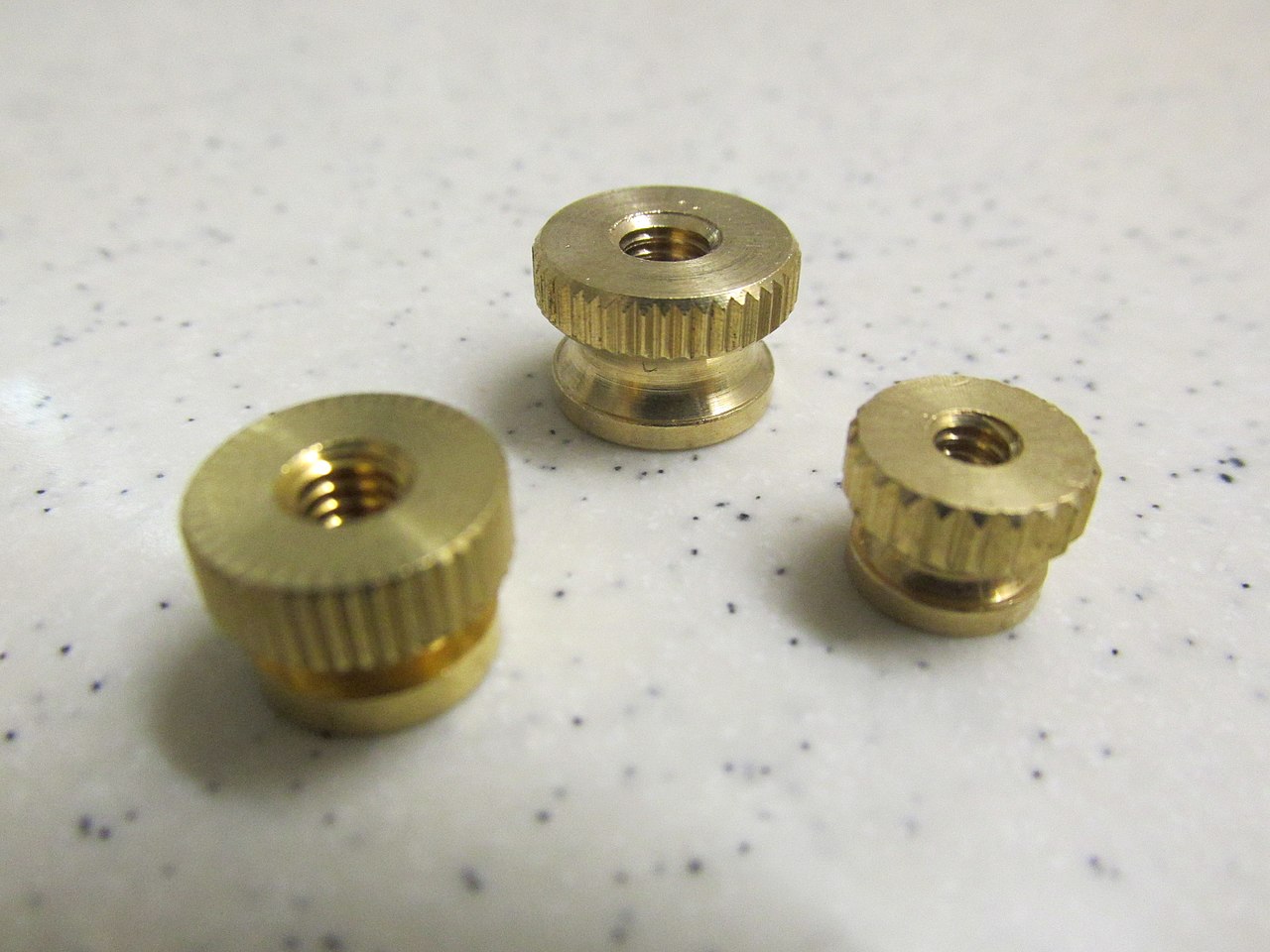

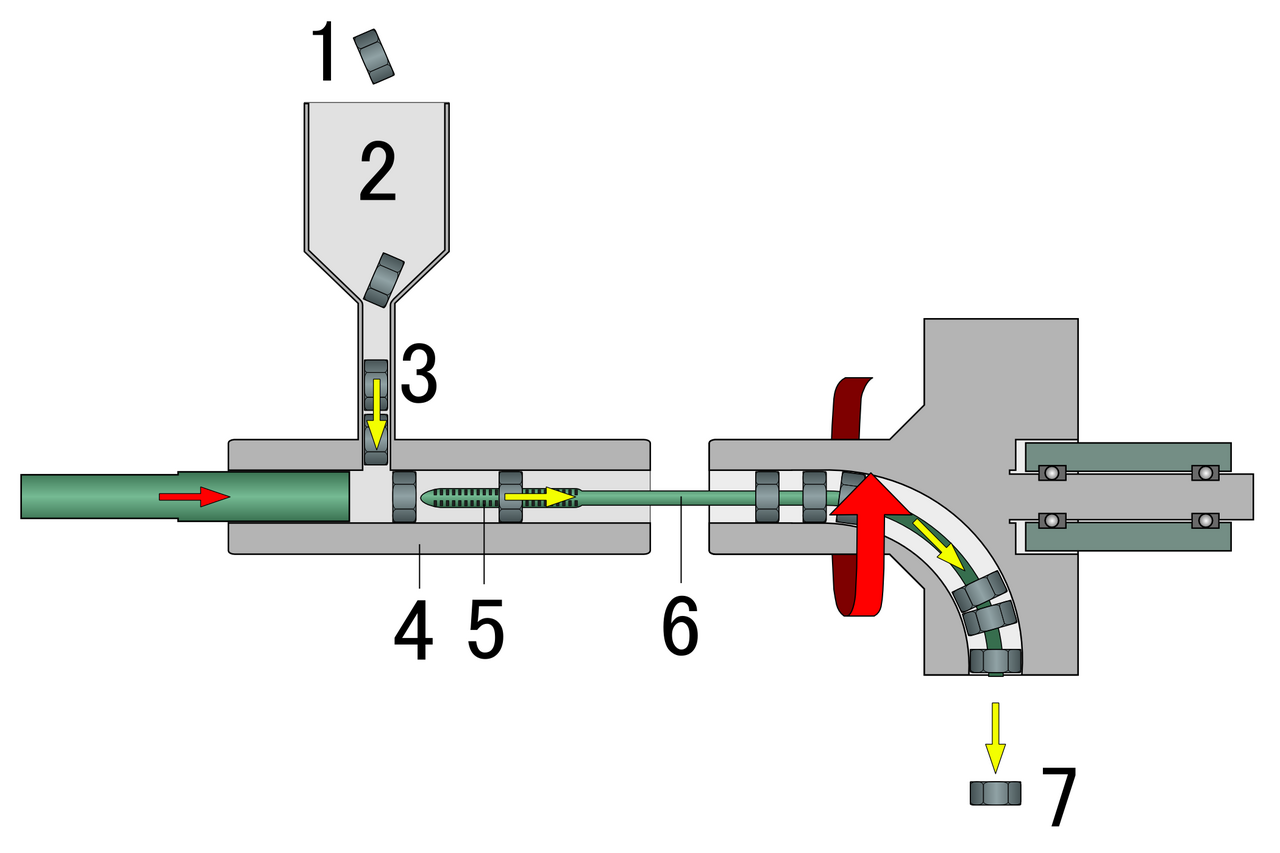


Characteristics and common forms
Most nuts are hexagonal to allow easy wrenching from several angles, but square, wing, cap (acorn), flange, and coupling nuts are also common. Some nuts include additional features to resist loosening: nylon-insert "nylock" nuts, prevailing-torque all-metal locknuts, and castellated (slotted) nuts used with a cotter pin. Materials range from carbon and alloy steels to stainless steel, brass, and engineered plastics. Surface finishes and coatings improve corrosion resistance and affect friction during tightening.
Threads, sizes and standards
Internal threads in a nut must match the external thread form and pitch of the mating bolt. Thread systems are standardized internationally and regionally (for example metric ISO series and Unified threads such as UNC/UNF). Fine and coarse series exist to optimize strength or ease of assembly. Nuts and bolts are also assigned strength classes so designers can select compatible pairs; industry standards describe the relationships between bolt proof loads and nut capacity. For technical details about thread geometry see the entry on thread profiles and standards.
History and manufacture
The use of threaded fasteners grew with industrialization when interchangeable parts and assembly-line manufacture became common. Nuts may be produced by cold forming, forging, or machining depending on the required precision and volume. Quality control includes inspection of thread form, pitch, coating, and mechanical properties to ensure reliable performance in service.
Installation, safety and function
Tightening a nut onto a bolt converts torque into axial preload that clamps parts together. Correct tightening requires selecting appropriate torque or using alternative methods (calculated preload, turn-of-nut, or tensioning tools) and considering lubrication, thread condition, and material properties. Over-tightening can strip threads or fracture components; under-tightening can lead to loosening under vibration. Locking methods such as locknuts, lock washers, thread-locking compounds, or safety wiring are used where vibration or cyclic loads might cause failure.
Applications and notable distinctions
Nuts are ubiquitous in machinery, construction, automotive, and consumer products because they provide removable, adjustable joints. Specialty nuts such as weld nuts, prevailing-torque nuts for high-vibration environments, and coupling nuts for joining threaded rods meet specific engineering needs. Selection is based on strength class, thread compatibility, environmental exposure, and the intended lifetime of the assembly.
- Common types: hex, square, wing, flange, cap, coupling, jam, locknut.
- Materials: steel (various grades), stainless steel, brass, nylon, engineered polymers.
- Key considerations: thread match, strength class, torque/preload, corrosion resistance.
Related articles
Author
AlegsaOnline.com Nut (hardware) Leandro Alegsa
URL: https://en.alegsaonline.com/art/71499