
Nuclear deterrent
A state's possession and posture of nuclear weapons intended to prevent attack by threatening unacceptable retaliation; covers concepts, components, history, doctrines, and contemporary issues.
A nuclear deterrent is the policy, forces and posture by which a state uses the existence of nuclear weapons to discourage aggression. At its core deterrence rests on the belief that the risk of devastating retaliation will make potential attackers refrain from using force. For a brief definition see this entry, but the concept spans technical, military and political dimensions beyond the mere existence of warheads.
Image gallery
5 Images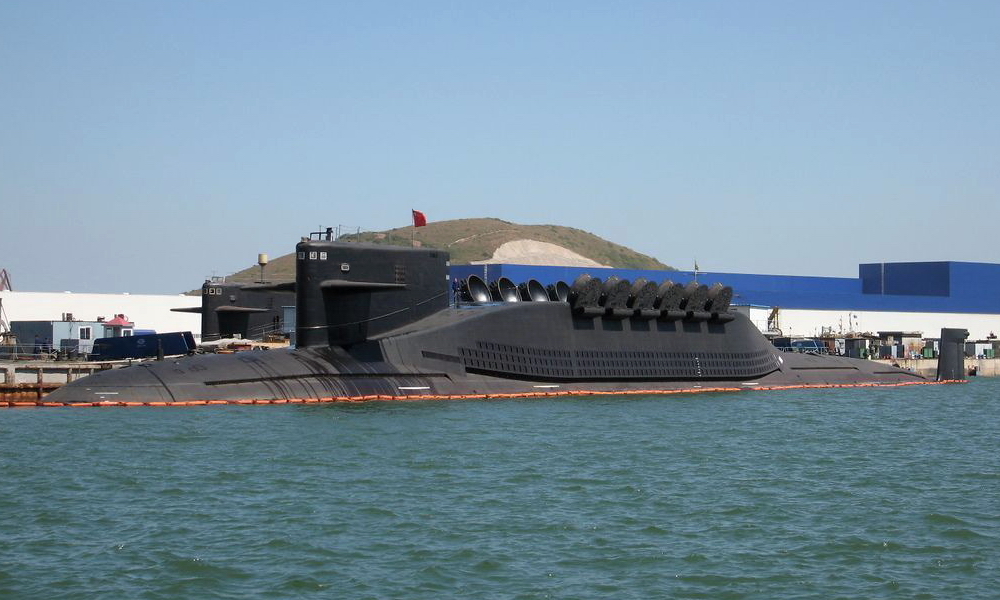


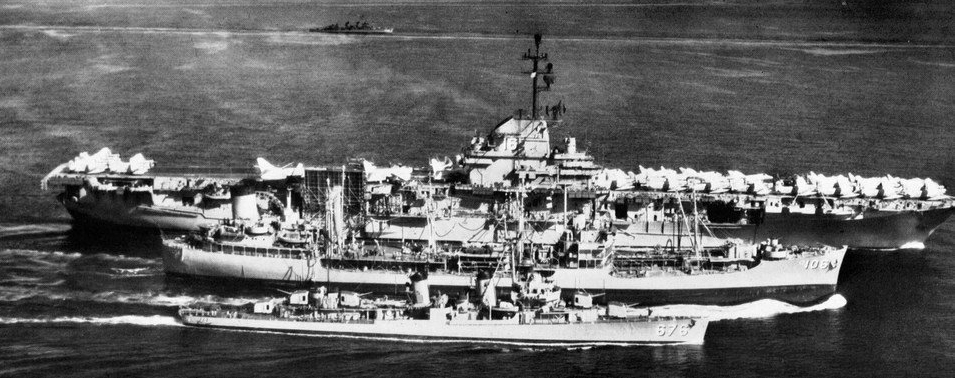
Components and characteristics
- Delivery systems: missiles, aircraft and submarines that can carry nuclear warheads.
- Warheads and readiness: the weapons themselves, their reliability and the command procedures that govern use.
- Command and control: secure decision-making, communications and safeguards to prevent unauthorized or accidental use.
- Posture and signaling: doctrines, deployments and exercises used to convince potential adversaries of capability and will to retaliate. For technical lists and inventories see related resources.
The modern deterrent concept developed in the mid‑20th century as nuclear weapons and long‑range delivery systems emerged. During the Cold War, rival blocs built extensive arsenals and doctrines such as mutually assured destruction (MAD) shaped strategy. Scholarly histories and declassified documents provide context; readers can consult overviews like historical summaries for more detail.
Deterrence relies on credible second‑strike capability (the assured ability to respond after absorbing an attack), clear signaling of intent, and sometimes extended deterrence where a state protects allies. Practical doctrines vary: some emphasize strict no‑first‑use policies, others maintain ambiguity to complicate an adversary's calculus. The nuclear triad—land‑based missiles, submarine‑launched missiles and strategic bombers—remains a commonly cited configuration for resilience.
Today, nuclear deterrence remains central to the security policies of several states but is controversial. Critics point to risks of escalation, accidents, and proliferation; proponents argue deterrence prevented large‑scale wars between major powers in the nuclear era. Arms control negotiations and confidence‑building measures aim to reduce risks while maintaining stability; consult policy analyses for current debates.
Notable distinctions include strategic versus tactical nuclear weapons, and national versus extended deterrence. Understanding deterrence requires attention to both technical capabilities and the political judgments that make threats convincing. The subject intersects military practice, international law, and ethical debates about security and survival.
Related articles
Author
AlegsaOnline.com Nuclear deterrent Leandro Alegsa
URL: https://en.alegsaonline.com/art/71347