
Nuclear proliferation: causes, pathways, and international responses
Overview of nuclear proliferation: definition, technical pathways, historical context, treaties and safeguards, examples, and the security implications of states acquiring nuclear weapons.
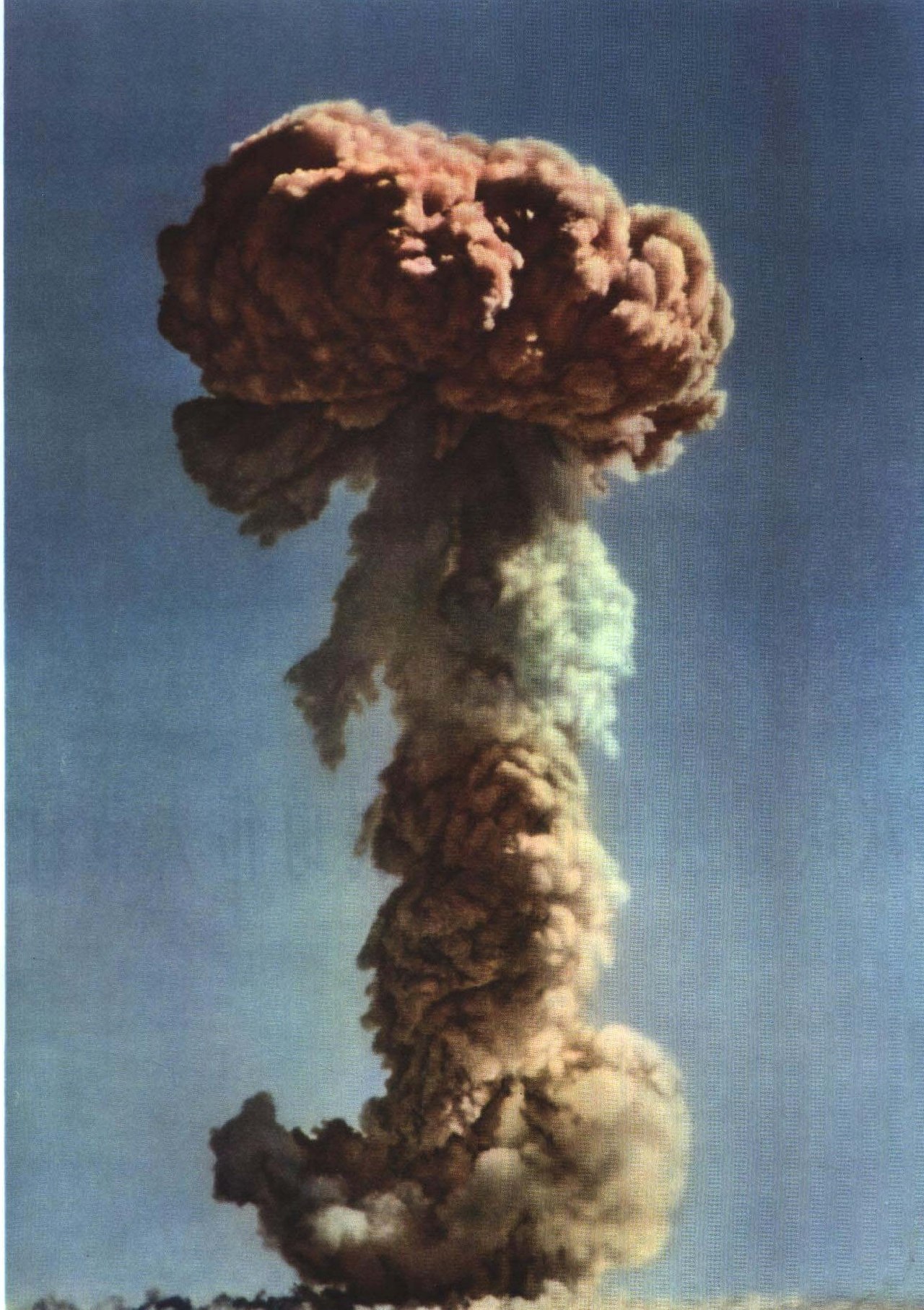
Nuclear proliferation refers to the spread of nuclear weapons, the materials and technologies to build them, and the capacity to produce fissile material. The term covers both the acquisition of complete weapons and the development of facilities or know‑how that make weapons possible. States that assemble or possess operational nuclear warheads are commonly described as nuclear‑armed or nuclear powers.
Image gallery
10 Images


Definitions and key concepts
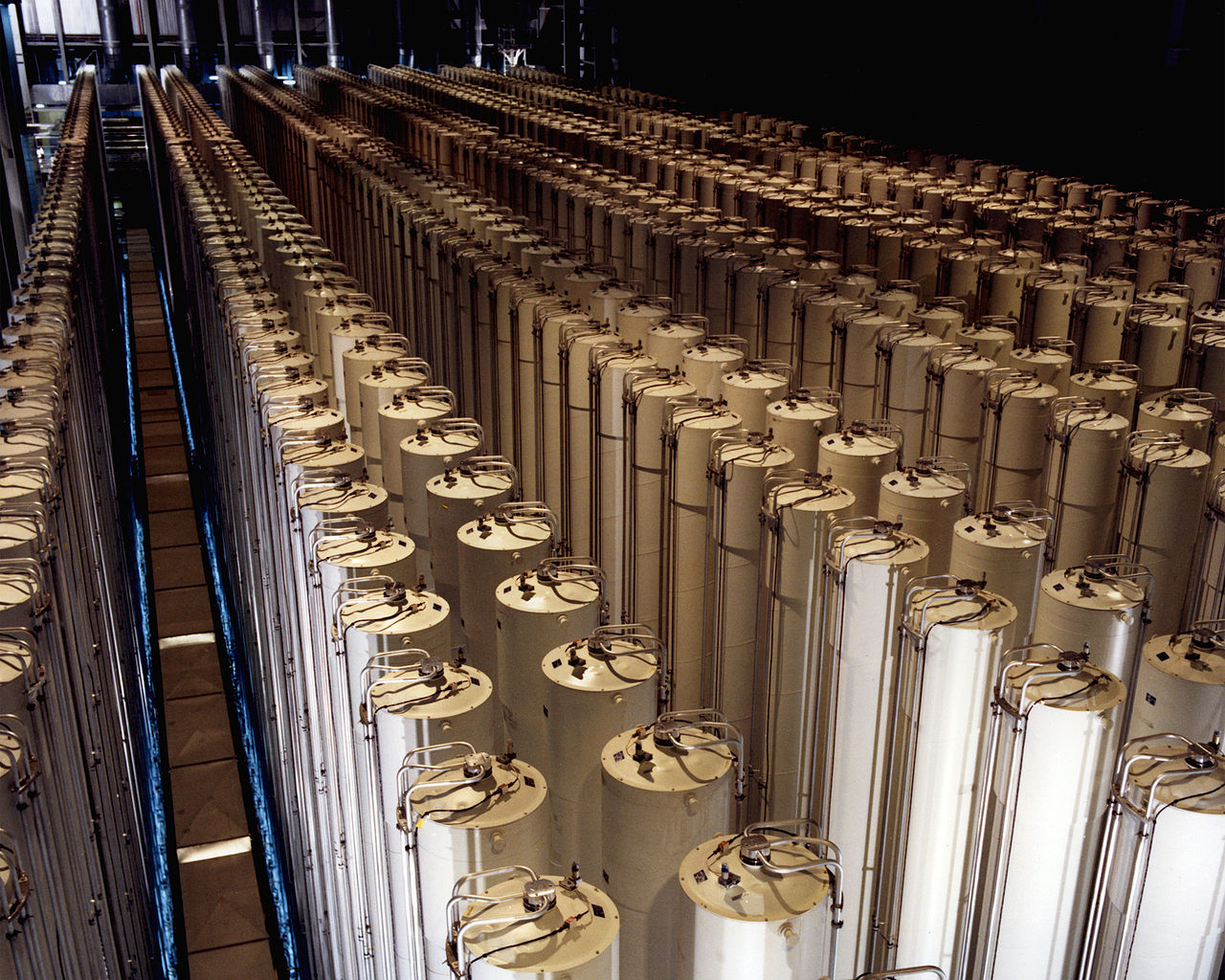
Horizontal proliferation means more states obtaining nuclear weapons; vertical proliferation means existing nuclear states increasing or modernizing their arsenals. Distinctions are also drawn between peaceful nuclear activities — such as power generation or medical isotopes — and military programs that pursue weapons. Control of sensitive materials, such as enriched uranium and separated plutonium, is central to this distinction.
Technical pathways
Several technical routes can lead from civilian nuclear work to weapon capability. Common pathways include:
- Uranium enrichment for fuel that, if taken to higher levels, can produce weapons‑grade material.
- Civilian reactors and subsequent chemical reprocessing to separate plutonium usable in warheads.
- Acquisition or clandestine development of weapon design, high‑explosive assembly and testing knowledge.
History, treaties and safeguards
International efforts to limit proliferation center on arms control treaties and verification. The Treaty on the Non‑Proliferation of Nuclear Weapons (NPT) created a framework distinguishing recognized nuclear‑weapon states from non‑nuclear‑weapon states and established obligations for safeguards and peaceful nuclear cooperation. The International Atomic Energy Agency (IAEA) implements inspections and monitoring to detect diversion of nuclear materials. For background on civilian nuclear cooperation see nuclear technology, and for materials issues see fissile material.
Maps and data showing reactor locations, declared arsenals, and potential latent capabilities are used in analysis and policy debates; examples of public compilations include reactor inventories and weapons status reports (reactor maps, weapons summaries).
Consequences and mitigation
Proliferation affects regional stability, crisis dynamics, and global arms control. Responses to reduce proliferation include export controls, multilateral treaties, sanctions, security assurances, cooperative threat reduction, and incentives for peaceful uses. Transparent safeguards and robust verification are considered the most reliable long‑term means to prevent the spread of nuclear weapons while allowing legitimate civilian nuclear activity.
Related articles
Author
AlegsaOnline.com Nuclear proliferation: causes, pathways, and international responses Leandro Alegsa
URL: https://en.alegsaonline.com/art/71371
Sources
- mitpressjournals.org : "Nuclear power without nuclear proliferation?"