
Nuclear weapons states
Overview of countries that possess nuclear weapons, distinctions between NPT-recognized and other nuclear-armed states, delivery systems, history, doctrines, and notable facts.
Overview
A nuclear weapons state is a country that has developed and tested nuclear explosive devices and maintains an operational capability to deliver them. International counts vary, but many research organizations and arms-control institutes identify nine countries with nuclear arsenals: five states formally recognized by the 1968 Nuclear Non-Proliferation Treaty (NPT) and four additional states that developed weapons outside that framework.
Image gallery
8 Images



Which countries possess nuclear weapons
- United States
- Russia
- United Kingdom
- France
- China
- India
- Pakistan
- Israel
- North Korea
Recognized states versus de facto nuclear-armed states
The NPT designates five nuclear-weapon states—those that had conducted nuclear tests before 1967 (United States, Russia as successor to the Soviet Union, United Kingdom, France and China). India, Pakistan, Israel and North Korea are nuclear-armed but are not NPT-recognized nuclear-weapon states; their programs emerged outside or in opposition to the treaty regime, and their legal status and obligations differ.
Characteristics and delivery systems
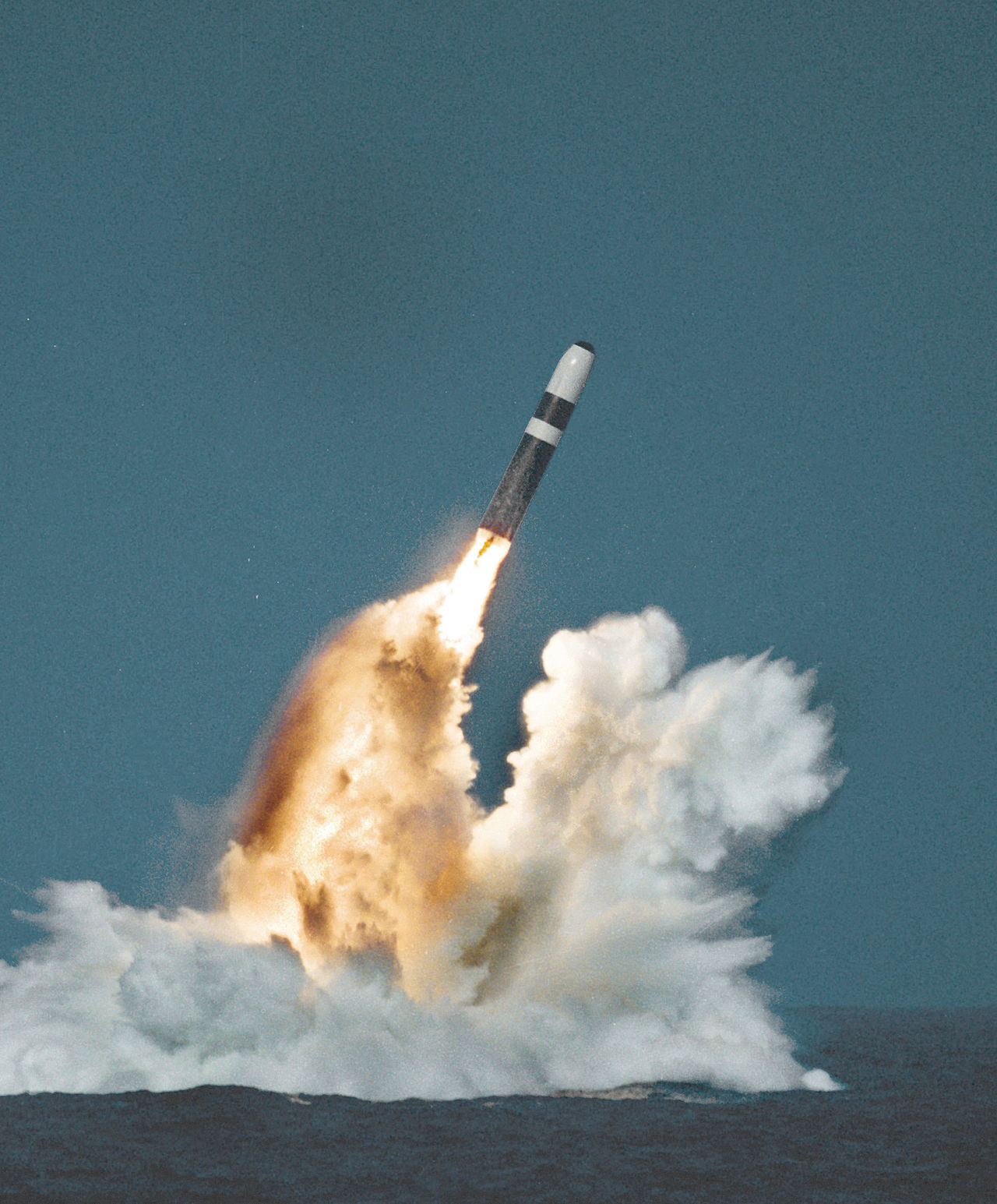
Nuclear weapons range from simple fission devices to multi-stage thermonuclear warheads. States deploy them on nuclear-capable aircraft, land-based missiles (including intercontinental ballistic missiles), sea-launched ballistic missiles carried by submarines, and—as technology advances—cruise missiles and tactical systems. Arsenals are commonly described in terms of warhead numbers, deployed forces, reserve stocks and delivery-platform diversity.
History, arms control and law
The first nuclear detonations in 1945 initiated an arms race during the Cold War, prompting international responses: the 1968 NPT aimed to limit proliferation while promoting peaceful nuclear energy; subsequent agreements sought reductions and verification (for example bilateral strategic arms treaties, moratoria on atmospheric testing, and the Comprehensive Test Ban Treaty). Arms-control efforts have produced large reductions in some stockpiles but have not eliminated weapons or fully halted modernization.
Roles, controversies and notable examples
Nuclear weapons are chiefly justified by doctrines of deterrence and second-strike capability; critics point to humanitarian, environmental and proliferation risks. Notable cases include Israel’s policy of deliberate ambiguity, North Korea’s withdrawal from the NPT and subsequent tests, and South Africa’s unique history of building then dismantling an arsenal. Former Soviet republics that briefly held Soviet weapons transferred them or returned control in the 1990s, illustrating the complex relationship between statehood and weapons possession.
Why it matters
Understanding which states possess nuclear weapons, how they are controlled and the international norms that seek to limit their spread is central to global security policy, diplomacy and efforts to reduce the risks of use, accident or proliferation.
Related articles
Author
AlegsaOnline.com Nuclear weapons states Leandro Alegsa
URL: https://en.alegsaonline.com/art/71376