
Nuclear espionage: theft and transfer of atomic weapons knowledge
Nuclear espionage is the unauthorized transfer of information about nuclear weapons or programs. It has influenced proliferation, shaped Cold War politics, and remains a focus of national security and export controls.
Nuclear espionage is the deliberate, unauthorized acquisition and transfer of information, materials or technologies that enable the development, construction or deployment of nuclear weapons. Because nuclear devices and the industrial processes that produce fissile material are among the most sensitive national secrets, states treat revelations about designs, production methods, delivery systems and storage as matters of the highest security. Unauthorized disclosure can shorten the time required for another actor to build weapons and can erode arms-control efforts.
Image gallery
6 Images



What is targeted and how it is obtained
Targets of nuclear espionage commonly include weapon design details, blueprints for implosion or fusion stages, methods for uranium enrichment and plutonium production, testing data, and information on delivery and command-and-control arrangements. Methods of collection vary and have evolved over time:
- Insider recruitment: scientists, engineers or technicians with access who pass information for ideology, money or coercion.
- Covert procurement: false companies and front organizations acquiring specialized materials, equipment or know-how.
- Open-source exploitation: mining scientific literature, patents and conference materials for dual-use clues.
- Signals and cyber espionage: intrusions into classified networks, emails or design repositories.
Historical examples and development
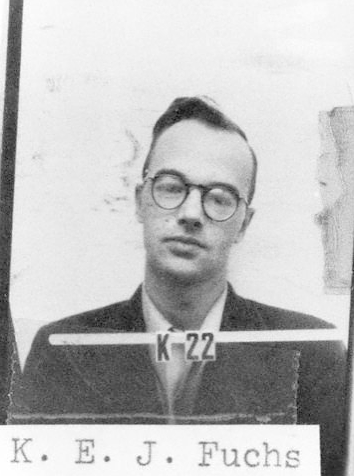
Nuclear espionage has been a feature of the atomic age since the Manhattan Project and the early Cold War. Well-known cases include individuals who passed information to the Soviet Union during and after World War II, and later networks that helped some states acquire technical capacity. Other episodes, such as clandestine procurement rings in the late 20th century, showed how technology and components moved through complex international channels. Some famous prosecutions and admissions are part of the public record; many other alleged incidents remain disputed or unproven.
Consequences and importance
The transfer of nuclear knowledge can accelerate a weapon program, reduce the technical barriers to weaponization, and shift strategic balances. Proven or suspected cases have affected diplomatic relations, prompted espionage prosecutions, and led to new export controls and security precautions. At the state level, such incidents can trigger arms-control responses or motivate covert counterintelligence efforts.
Prevention, law and policy
States and international organizations use classification regimes, personnel vetting, physical protection, export controls, and international safeguards to reduce risk. Treaty frameworks and export-control arrangements aim to limit the spread of sensitive technologies; examples of such cooperative measures include multilateral non-proliferation instruments and safeguards overseen by intergovernmental bodies. For a general reference to restricted information about weapons consult nuclear-weapon design information, and for the main diplomatic framework addressing spread see non-proliferation agreements.
Today the tension between scientific openness and national security continues to complicate policy: researchers may publish legitimate basic science that has dual-use implications, while intelligence agencies must guard against both traditional human espionage and increasingly sophisticated cyber intrusions. Because proof of espionage often relies on classified evidence, public accounts are sometimes incomplete, and understanding relies on both declassified cases and expert assessment.
Questions and answers
Q: What is nuclear espionage?
A: Nuclear espionage is when a country shares its secrets about nuclear weapons with another country without permission.
Q: Has there been evidence of nuclear espionage in the past?
A: Yes, there have been many cases of known nuclear espionage in the past.
Q: Are there cases where nuclear espionage has been suspected but not proven?
A: Yes, there are many cases where nuclear espionage has been suspected but not proven.
Q: Why are nuclear weapons considered the most important of state secrets?
A: Nuclear weapons are considered the most important of state secrets because of their destructive power and potential to cause global harm.
Q: What kind of information about nuclear weapons do nations with nuclear weapons have strict rules against sharing?
A: Nations with nuclear weapons have strict rules against sharing information about how nuclear weapons are designed, where they are kept, and other things about them.
Q: Are there rules that prevent countries who have signed non-proliferation agreements from sharing information about nuclear weapons with the public?
A: Yes, there are rules that keep countries who have signed non-proliferation agreements from sharing information about nuclear weapons with the public.
Q: What is the purpose of non-proliferation agreements?
A: The purpose of non-proliferation agreements is to stop the spread of nuclear weapons.
Related articles
Author
AlegsaOnline.com Nuclear espionage: theft and transfer of atomic weapons knowledge Leandro Alegsa
URL: https://en.alegsaonline.com/art/71353
Sources
- pbs.org : "Secrets, Lies, and Atomic Spies"
- coldwar.org : "Cold War Museum"
- pbs.org : "Online NewsHour: Pardon in Pakistan -- February 5, 2004"
- house.gov : house.gov
- time.com : time.com
- worldaffairsboard.com : worldaffairsboard.com