
Nuclear arms race
Cold War competition between the United States, the Soviet Union and allies to build nuclear arsenals, delivery systems, and doctrines that shaped international security and arms-control efforts.
Overview
The nuclear arms race was a geopolitical competition during the Cold War in which the United States, the Soviet Union and their respective allies sought superior nuclear capability. It encompassed weapons development, expansion of delivery systems, testing, and doctrine, and it reshaped defense policy, diplomacy, and public perception of global security. The rivalry is often described as a technological and strategic race to deter or, if necessary, defeat the other side.
Image gallery
10 Images


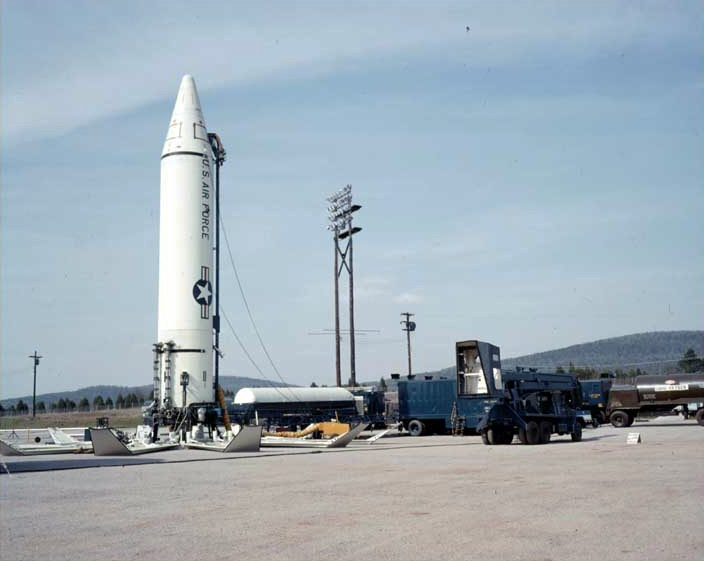
Weapons, delivery systems, and test programs
Early stages emphasized fission devices; later work produced thermonuclear (hydrogen) bombs with far greater yield and destructive radius. Key delivery methods included:
- Intercontinental ballistic missiles (ICBMs)
- Submarine-launched ballistic missiles (SLBMs)
- Strategic and tactical bombers
- Shorter-range missiles and artillery for regional use
Large-scale atmospheric and underground testing validated designs and fuelled public controversy over environmental and health effects.
History and major episodes
The competition intensified after World War II as both superpowers accelerated research, production, and deployment. Flashpoints such as the Cuban Missile Crisis of 1962 highlighted the risk of escalation. Technological advances and military signaling drove periodic surges in stockpiles through the 1950s–1980s.
Strategic concepts and consequences
Mutually assured destruction (MAD) became a central doctrine: when both sides possess secure second-strike capability, large-scale nuclear war is deterred by the certainty of unacceptable retaliation. The arms race influenced alliances, civil defense programs, and global politics, and it spurred espionage, propaganda, and significant military spending.
Arms control, reduction, and legacy
Efforts to limit the competition led to agreements such as strategic arms limitation talks and later treaties, and to the negotiations and regimes that sought transparency and reductions. The Cold War dynamics also encouraged the 1968 Non-Proliferation Treaty and later START accords. While total global arsenals have declined since their peak, nuclear weapons remain central to the security policies of several states.
Notable distinctions
The term "arms race" is applied broadly to describe similar competitive buildups in other technologies and regions. The nuclear arms race is distinct for its scale, technical complexity, and the existential risks it posed, and it continues to inform contemporary debates about proliferation, deterrence, and disarmament efforts around the world. See further reading and historical records through archived analyses and primary documents (U.S. sources, Soviet-era records, Cold War studies).
Related articles
Author
AlegsaOnline.com Nuclear arms race Leandro Alegsa
URL: https://en.alegsaonline.com/art/71343