
Novalis (Georg Philipp Friedrich von Hardenberg) — German Romantic poet and thinker
Novalis was the pen name of Georg Philipp Friedrich von Hardenberg (1772–1801), a leading early German Romantic poet and philosopher, noted for the Blue Flower motif, Hymns to the Night and Heinrich von Ofterdingen.
Novalis was the literary pseudonym of Georg Philipp Friedrich Freiherr von Hardenberg. Born on May 2, 1772 and dying on March 25, 1801, he is regarded as a central figure among the early German Romantics. A poet, philosopher and prose writer, Novalis sought to reunite feeling, imagination and thought in a poetic philosophy that reacted against Enlightenment reductionism.
Image gallery
10 Images




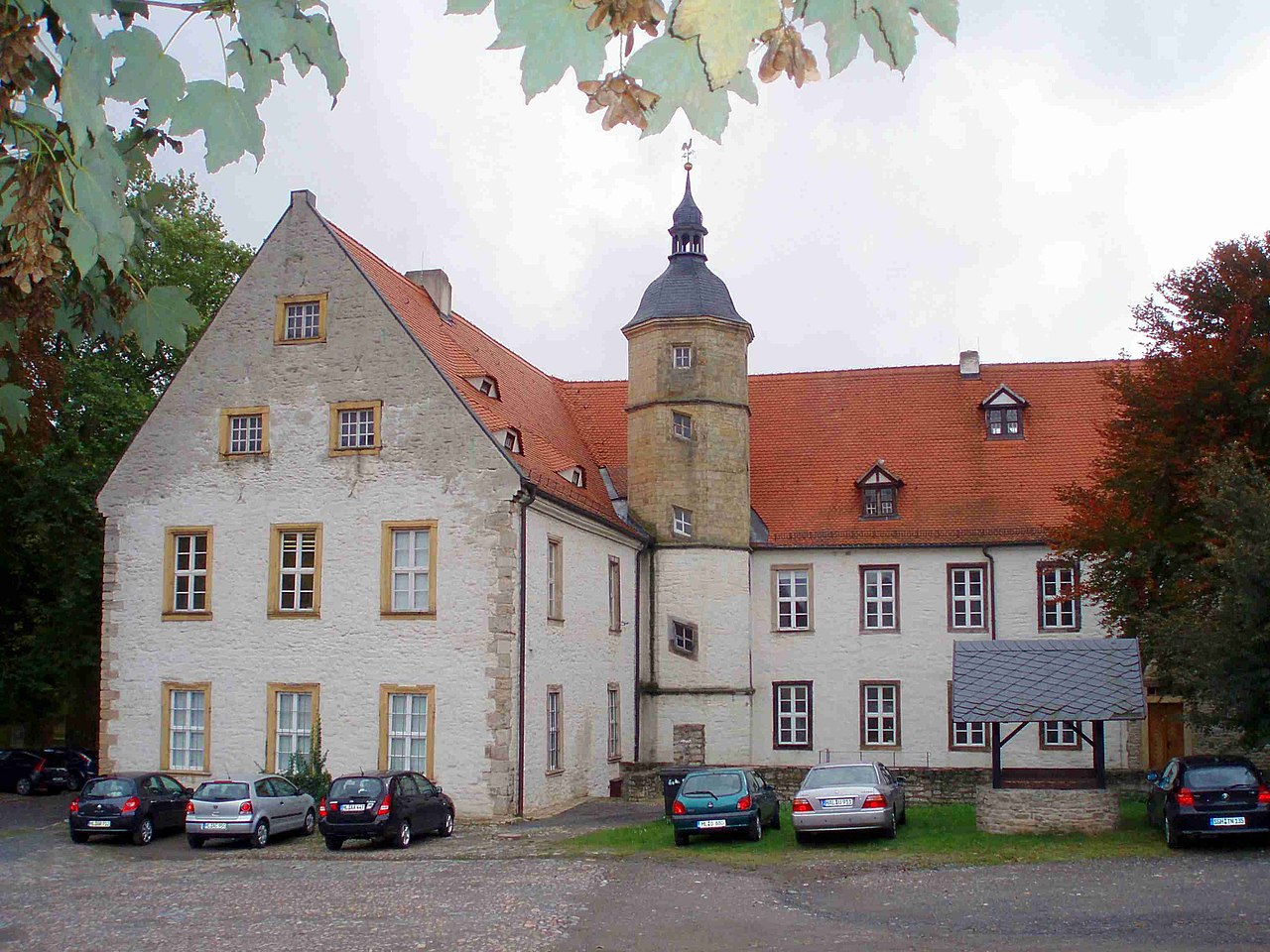


Life and context
Raised in a minor aristocratic family, he received a broad humanistic education and studied law and mining administration. His engagement to a young noblewoman and her premature death had a profound effect on his writing and religious sensibility, inspiring motifs of longing, mourning and spiritual union. He belonged to literary and philosophical circles that included contemporaries who shared an interest in mysticism, nature and the creative imagination.
Major works and form
- Heinrich von Ofterdingen — an unfinished novel that famously introduces the image of the Blue Flower, a symbol of yearning and poetic striving.
- Hymns to the Night — lyrical poems that address loss, consolation and a mystical orientation to death and eternity.
- Collections of fragments, aphorisms and philosophical notes that blend poetic language with speculative thought.
Themes and style
Novalis emphasized the role of imagination as a mode of knowledge and transformation. Recurring themes include longing for the infinite, the interdependence of love and death, and the conviction that art can overcome fragmentation in modern life. His prose often appears fragmentary and suggestive, aiming to provoke thought rather than provide systematic doctrine.
Reception and influence
His work shaped later developments in German literature, aesthetics and Romantic theory. The Blue Flower became an enduring emblem for later writers and artists seeking the ideal or transcendent. Novalis is studied both for his lyrical intensity and for contributions to a literary form of philosophical reflection.
Further resources and reading: general biographical notes, editions of his works, studies of German Romanticism and overviews of late 18th-century intellectual history. For archival and chronological material consult specialized bibliographies on his birth and milieu: 1772 context, 1801 context, and dedicated scholarly introductions at Romanticism studies or detailed author pages at death records and birth notices.
Related articles
Author
AlegsaOnline.com Novalis (Georg Philipp Friedrich von Hardenberg) — German Romantic poet and thinker Leandro Alegsa
URL: https://en.alegsaonline.com/art/71224