
Nur Jahan: Mughal Empress, Stateswoman and Patron (1577–1645)
Nur Jahan (1577–1645) was a Mughal empress and the influential wife of Emperor Jahangir. She exercised political power, shaped court culture, and acted as a major patron of arts and architecture.
Overview
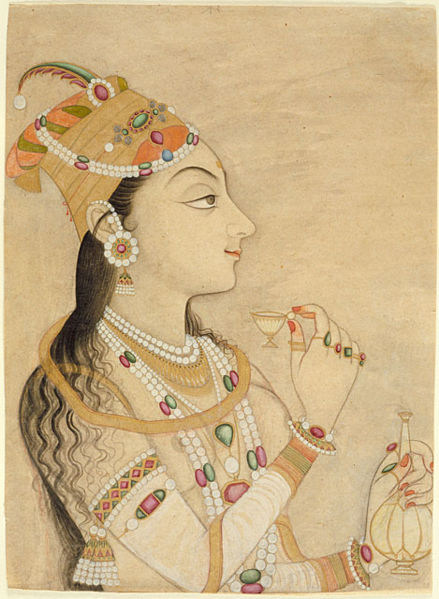
Nur Jahan (also spelled Noor Jahan, Nur Jehan, or Mehr-un-Nisaa Khanam) was a central figure at the Mughal court during the reign of her husband, the emperor Jahangir. Born in 1577 and dying in 1645, she is remembered as one of the most powerful and visible women in early modern South Asian history. Through marriage, family ties, and personal skill she exercised influence over imperial policy, patronage, and the image of the throne. She was also an aunt of the later empress Mumtaz Mahal.
Image gallery
9 Images


Background and rise to power
Nur Jahan came from a family that rose to prominence at court. After her marriage to Jahangir, her relatives — most notably her father and her brother — were elevated to important positions, which expanded her political network. Over time she acquired direct authority in matters of administration and diplomacy. Contemporary accounts and later historians note that she had the confidence of the emperor and frequently managed state affairs when Jahangir was ill or absent from active governance.
Political role and authority
Nur Jahan's role went beyond that of a ceremonial consort. She is known to have issued orders, supervised appointments, and influenced fiscal and legal matters. Her name appears on coinage minted during Jahangir's reign, and she signed or endorsed official documents — a conspicuous demonstration of her standing. While she did not hold formal sovereign title, in practice she directed many aspects of court business and was regarded by contemporaries as a de facto ruler in certain periods.
Cultural patronage and court life
As a patron she left a visible mark on Mughal culture. Nur Jahan supported the arts, fashion, and courtly architecture. She encouraged new designs in textiles, jewelry, and garden layouts and is associated with refined court ceremonies and tastes. One of the monuments often linked to her patronage is the tomb of her parents, known as the Itmad-ud-Daulah in Agra, which reflects early Mughal pietra dura and a move toward more delicate inlay work. Her patronage combined aesthetic innovation with the projection of imperial prestige.
Charity, reputation, and criticism
Nur Jahan engaged in charitable works, including endowments and relief activities, which enhanced her public reputation. At the same time, some contemporary critics and later commentators accused her court of extravagance and noted the strain that lavish spending placed on the treasury. Assessments of her legacy vary: some emphasize her administrative skill and artistic patronage, while others stress tensions her prominence created within traditional structures of male rule.
Later life, tomb and legacy
After Jahangir's death, Nur Jahan's influence at court declined as subsequent rulers consolidated power. She spent her final years away from the center of imperial politics and was buried in the Shahdara district near Lahore, at a site often identified as Shah Dara, in what is today Pakistan. Her life remains a subject of interest for historians of the Mughal Empire because it highlights the capacity of royal women to shape politics, culture, and administration in early modern South Asia.
- Key aspects: political influence, coinage and signatures, architectural and artistic patronage.
- Historical importance: example of female authority within a patriarchal imperial system.
- Remembered for: combining governance, courtly style, and charitable initiatives.
For further reading on Jahangir and related figures see sources linked above and specialized studies on Mughal court culture and female sovereignty in South Asia.
Related articles
Author
AlegsaOnline.com Nur Jahan: Mughal Empress, Stateswoman and Patron (1577–1645) Leandro Alegsa
URL: https://en.alegsaonline.com/art/71459