
Numa Pompilius
Second king of Rome in Roman tradition, credited with establishing Rome's early religious institutions, calendar reforms, and a reign of peace; his historicity is debated by modern scholars.
Overview
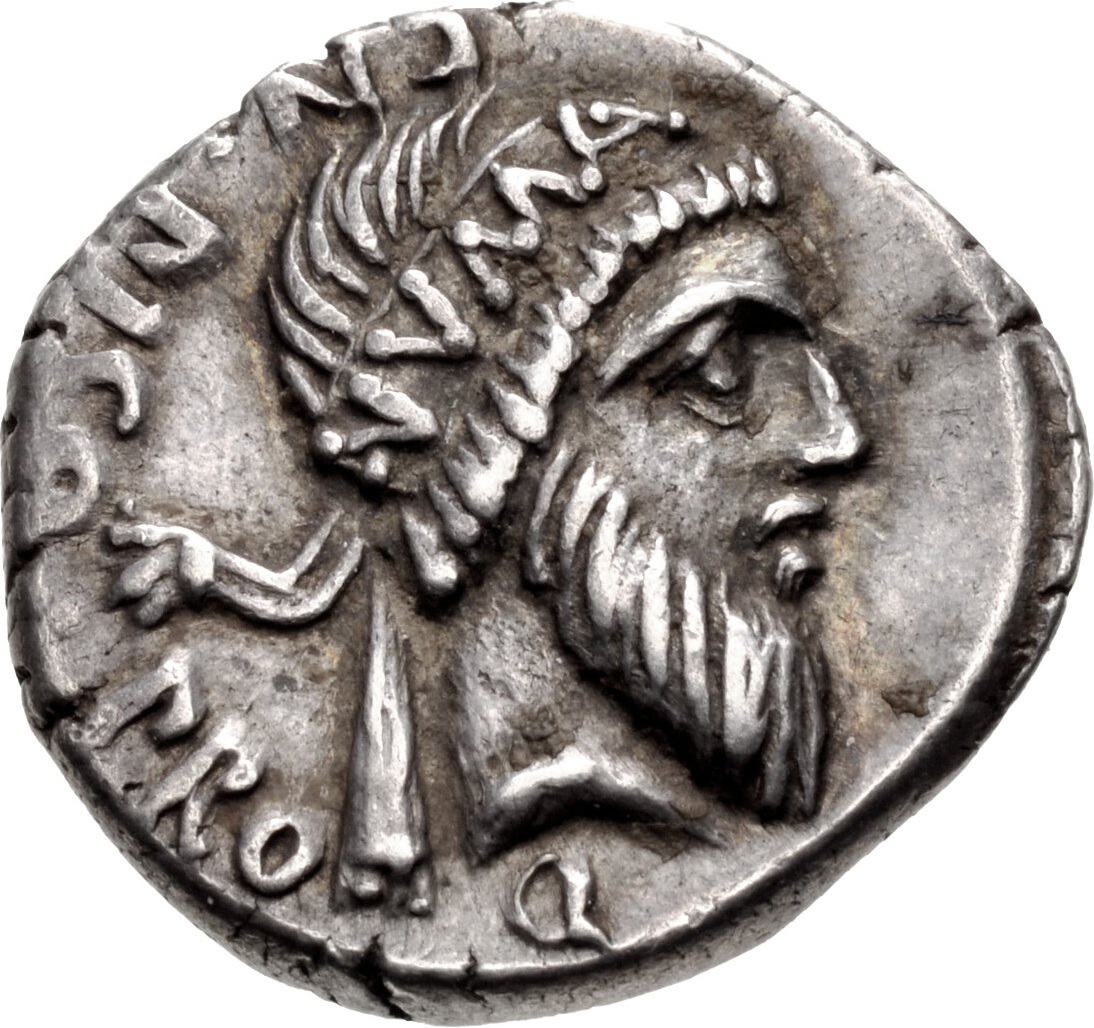
Numa Pompilius is the figure traditionally named as the second king of Rome, succeeding Romulus. He is portrayed in Roman tradition as a Sabine by origin and as a ruler whose reign brought order, religious structure and long-lasting institutions to an early city otherwise remembered for martial beginnings. Classical accounts assign him a long and peaceful rule during which many of Rome's sacred rites and priesthoods were instituted. Modern historians, however, treat much of his biography as legendary or as a later construction.
Image gallery
5 Images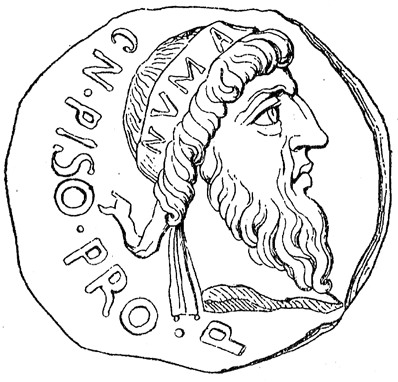



Traditional biography and reforms
According to the later Roman accounts, Numa combined lawgiving with piety. He is said to have consulted a divine consort or nymph, often named Egeria, and to have shaped Rome's calendar and cultic life to regulate public observance and social behaviour. Traditions credit him with closing the gates of the Temple of Janus—an act symbolizing peace—on several occasions and with establishing recurring festivals and rites that bound Romans to civic duties.
Religious institutions and offices
Many of the offices and collegia of Roman religion were attributed to Numa in later tradition. These include the college of pontiffs (with the title pontifex maximus as its head), the augurs, certain flamines (priests attached to particular gods), the Vestal Virgins who tended the sacred fire, and ritual groups such as the Salii. These institutions organized public worship, regulated calendrical observances and oversaw sacrificial law and ritual procedure.
Legal, calendrical and cultural impact
Numa's reforms in tradition are often described as regulatory rather than legislative in the modern sense: he arranged the ritual calendar, defined sacrificial protocols, and set religious sanctions that helped integrate diverse communities within the early city. By giving formal shape to rites and festivals, the accounts say, he made religion a vehicle for civic cohesion and moral instruction.
Legacy and historical debate
Roman writers such as Livy, Plutarch and others preserved narratives about Numa that influenced later Roman identity, presenting him as the model of piety and temperate rule. Contemporary scholarship treats these stories cautiously: there is little direct evidence that a single historical ruler accomplished all the reforms ascribed to him. Many historians view 'Numa' as a symbolic or composite embodiment of Sabine influence and of the gradual institutionalization of Roman cult and calendar practices during the archaic period.
Notable facts
- Traditionally credited with a long, peaceful reign and with succeeding Romulus.
- Associated with the founding or formalization of key priestly colleges and the office of pontifex maximus.
- Linked in tradition with the nymph Egeria, a source of divine counsel.
- Credited with calendar adjustments and the establishment of festivals to regulate public life.
- Regarded by later Romans as the archetypal lawgiver of religion, but treated by modern scholars as largely legendary or symbolic.
Related articles
Author
AlegsaOnline.com Numa Pompilius Leandro Alegsa
URL: https://en.alegsaonline.com/art/71418