
1801
A concise overview of the year 1801: major political events, battles, scientific discoveries and cultural context at the start of the 19th century.
Overview
1801 is widely regarded as the opening year of the 19th century. It saw important political reorganizations in Europe and North America, naval conflicts connected to the Napoleonic era, and notable scientific discoveries. These developments reflected broader shifts in state power, technology and intellectual life that would shape the century.
Image gallery
10 Images


Politics and diplomacy
One of the most consequential political acts took effect at the start of the year when the Kingdom of Great Britain and the Kingdom of Ireland were joined to form the United Kingdom of Great Britain and Ireland. In continental Europe, the wars that followed the French Revolution continued to reshape borders and alliances. Negotiations and treaties in 1801, part of the wider Second Coalition conflicts, adjusted territorial arrangements between France and other European powers.
War and naval actions
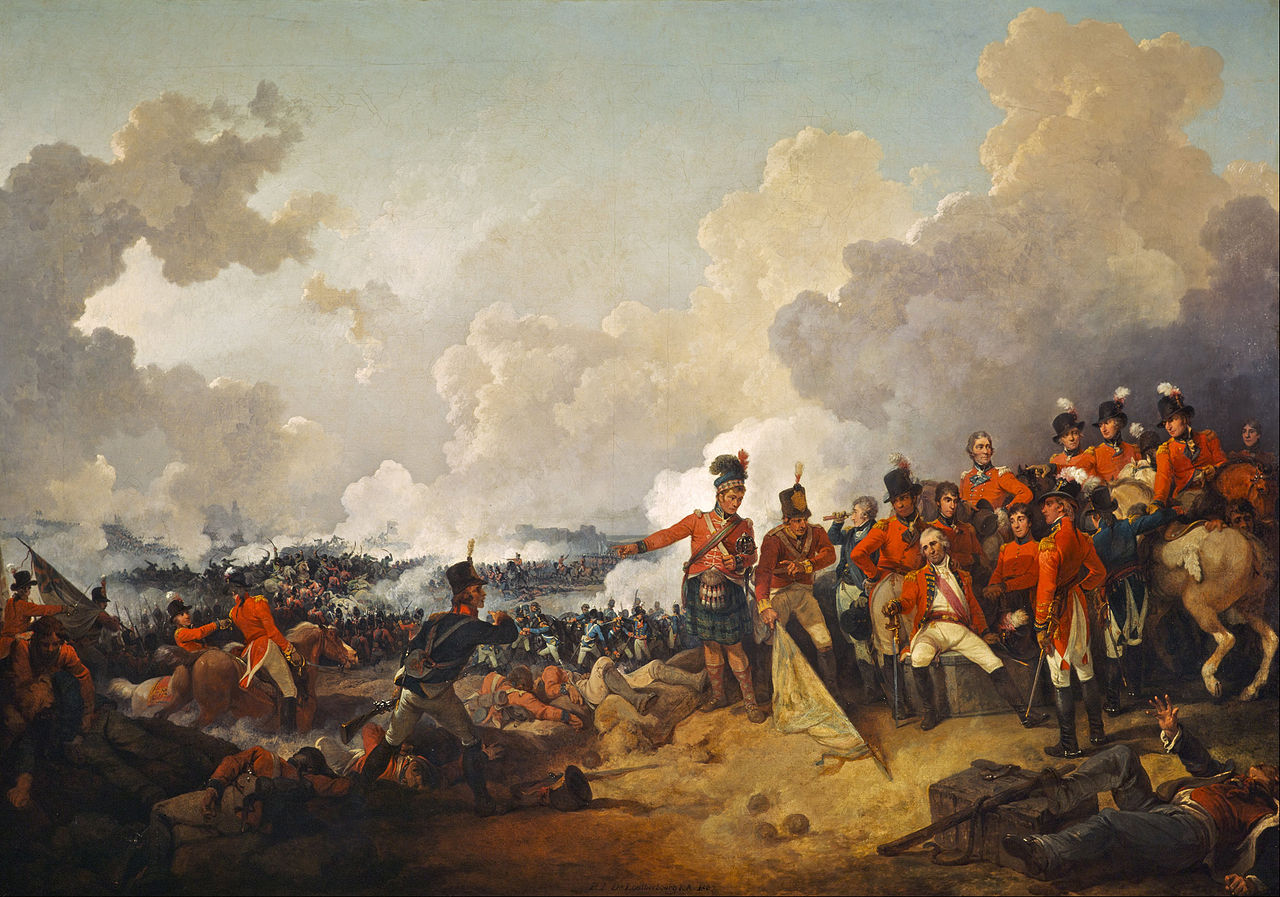
The year included notable naval engagements related to Britain’s struggle to contain French influence and to protect maritime commerce. The North Sea and Baltic theatres remained active, and Britain’s navy continued to play a decisive role in projecting power and safeguarding trade routes.
Science, discovery and culture
1801 produced important scientific milestones. The Italian astronomer Giuseppe Piazzi reported the discovery of Ceres, the first object later classified as a dwarf planet or large asteroid in the asteroid belt. Physicists and chemists were also advancing experimental methods; studies of light and chemical reactions during this period contributed to later breakthroughs in optics and electromagnetism. Literary and artistic activity continued across Europe and the Americas as writers and composers responded to political change and new audiences.
Notable events and legislative changes
- Union of Great Britain and Ireland came into legal effect, creating the United Kingdom of Great Britain and Ireland.
- Diplomatic settlements between Revolutionary France and other European states reduced active coalition warfare in some theatres.
- In the United States, the transfer of executive power reflected a maturing republican system; political and judicial reforms enacted around this time would have lasting effects on American institutions.
Significance and legacy
Although a single year cannot encompass all long-term trends, 1801 stands out for marking transitions: new political unions, continued conflict after revolutionary upheavals, and scientific discoveries that broadened contemporary understanding of the natural world. Events of 1801 fed into larger processes—national consolidation, imperial competition, and the scientific and technological changes—that defined the 19th century.
Related articles
Author
AlegsaOnline.com 1801 Leandro Alegsa
URL: https://en.alegsaonline.com/art/111750