
Northwich, Cheshire: town profile, salt history and modern regeneration
Northwich is a town and civil parish in Cheshire, England, known for its long history of salt extraction, 19th–20th century subsidence problems and recent regeneration and remediation projects.
Overview
Northwich is a town and civil parish in northwest England. It functions as a local service centre and market town within the unitary area of Cheshire, and is situated in the county of Cheshire. Administratively it is a civil parish and town council area often described simply as Northwich. The town lies in England, roughly 18 miles east of Chester and about 15 miles south of Warrington. In recent decades Northwich has attracted attention for housing and riverside regeneration, and was listed among attractive places to live by national newspapers in the 2010s.
Image gallery
10 Images
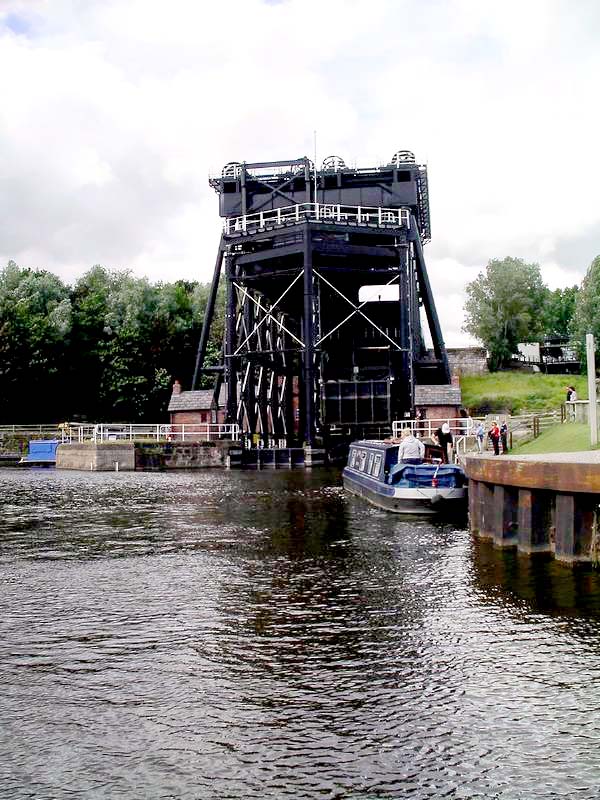


Historical background
The locality has a long association with salt. Salt extraction in the area dates back to at least Roman times, when a settlement known as Condate was established close to brine springs and river crossings. Archaeological and historical records show salt production and trade formed the basis of settlement and local wealth for centuries. The region's geological layers, rich in rock salt, led to the development of extensive extraction activity from the medieval period through industrialisation.
Salt industry and industrial development
From the 18th and 19th centuries onwards, Northwich became heavily industrialised around the manufacture and processing of salt and related chemicals. Techniques included both mining solid rock salt and extracting brine by pumping. Industrial growth created local employment and transport links—canals, river navigation and later railways helped move salt and manufactured goods. The continued exploitation of subsurface salt, however, carried long‑term risks because removing large volumes of salt left voids beneath the town.
Subsidence, collapse and remediation
The extraction of salt under and near Northwich ultimately led to ground instability. In the late 19th and early 20th centuries several former mine workings began to collapse or settle, causing surface subsidence. Contemporary reports recorded houses and other structures affected as ground moved; some buildings suffered damage or were lost. These issues prompted engineering responses and later large‑scale remediation. Deep mine voids and abandoned workings were investigated and, in a major scheme completed in the early 21st century, many were stabilised by controlled filling and grouting. That multi‑million pound programme, designed to reduce risk and allow regeneration, was reported as a significant local engineering effort to end decades of local disruption and threat to property.
Modern town, economy and culture
Today Northwich has a mixed economy: some industrial and manufacturing activity remains, while retail, services and cultural amenities have grown. The River Weaver and nearby canals are focal points for leisure, walks and heritage projects. Riverside redevelopment has created new housing, public spaces and promenades, contributing to the town’s appeal. Local festivals, museums and community groups record the town's salt heritage and industrial past, interpreting sites and stories for residents and visitors alike.
Key facts and notable points
- Former Roman settlement: the area’s antiquity is linked to salt springs and the Roman place sometimes identified as Condate; see more on early origins via Roman period sources.
- Salt heritage: extraction and processing shaped the town’s economy and landscape; further reading on the industry is available through specialist local histories and archives (salt industry).
- Subsidence history: mining collapse and surface settlement were a major challenge; investigations and stabilisation of mines were undertaken over many years.
- Remediation project: a major remediation and stabilisation scheme reported as a multi‑million pound programme was completed in the 2000s to address underground voids (remediation project).
- Community and recognition: local regeneration and quality of life improvements contributed to positive coverage in national media and listings in the 2010s.
Northwich illustrates how a town shaped by natural resources and industry can face technical and social challenges, then pursue conservation, engineering and urban renewal to redefine its role in the region. For people researching local history, engineering case studies or urban regeneration, Northwich offers examples of long‑term human interaction with geology and of remedial approaches to legacy industrial impacts.
Further information and local resources are available from town and county archives, heritage groups and municipal websites that document Northwich’s changing landscape, industry and community life; useful starting points include local council pages and specialised heritage organisations (local administration, county resources, national context).
Related articles
Author
AlegsaOnline.com Northwich, Cheshire: town profile, salt history and modern regeneration Leandro Alegsa
URL: https://en.alegsaonline.com/art/71098
Sources
- northwichguardian.co.uk : "Northwich is one of the best places to live in the UK - again"
- timetravel-britain.com : "Northwich: The Town With That Sinking Feeling"
- commons.wikimedia.org : Northwich