
Norwich, Norfolk: history, features, and significance
Norwich is the county city of Norfolk in East England. A long-established regional centre, it is noted for medieval architecture, cultural institutions, a university, and transport links including an airport.
Overview
Norwich is the county city of Norfolk in the east of England and a principal urban centre in East Anglia. It is one of the country's older cities and has a compact historic core, modern suburbs and a mix of cultural, educational and commercial activity. Around 2005 the city population was estimated at about 127,600; since then the wider urban and suburban area has continued to grow.
Image gallery
10 Images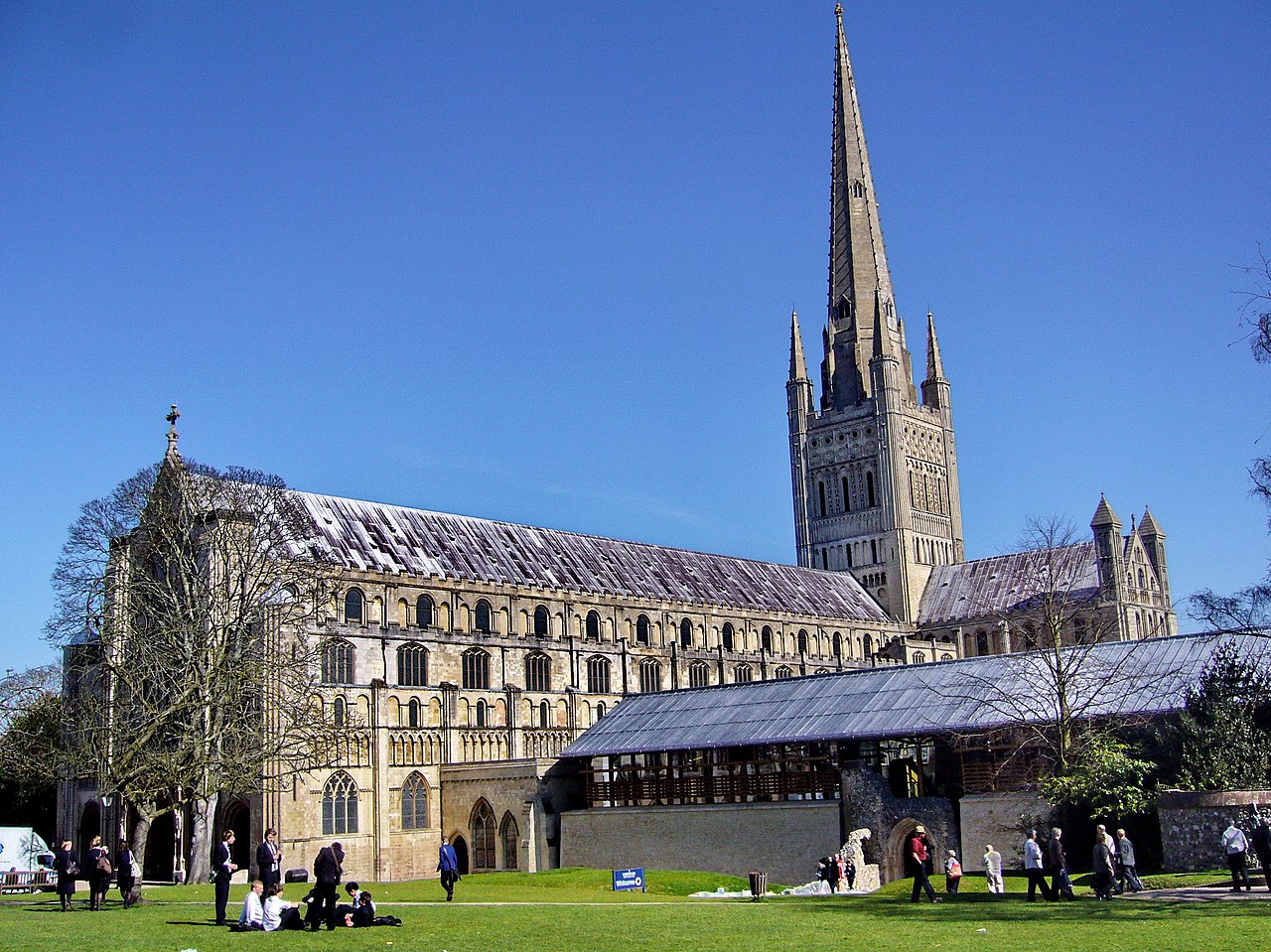




Geography and population
The city sits inland from the North Sea and has been a market and administrative centre for the surrounding agricultural county for centuries. It coexists with other regional centres such as Ipswich, in neighbouring Suffolk, and serves a broad hinterland across Norfolk and parts of neighbouring counties.
History and development
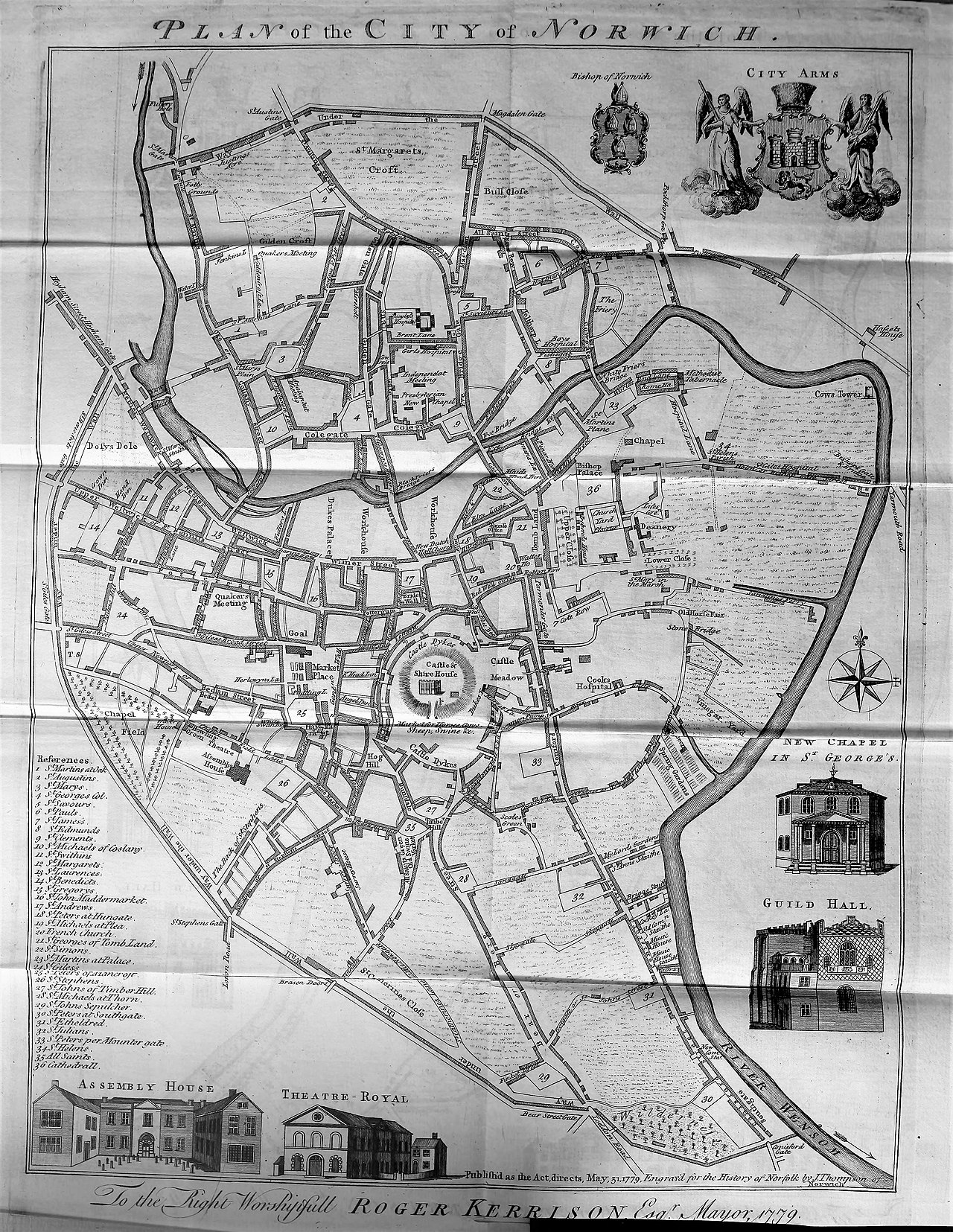
Norwich's origin predates the Norman Conquest; it expanded rapidly in the medieval period on the back of the wool and cloth trades and later diversified into manufacturing and services. The city's street plan, cathedral and castle reflect successive phases of growth from the medieval era to the present day. In modern times the economy shifted towards retail, public services, education and creative industries.
Transport and connections
Norwich is served by road and rail links to the rest of the United Kingdom and by a regional airport. Norwich International Airport operates flights to European destinations including Amsterdam and seasonal or charter routes to parts of Spain, as well as destinations elsewhere in the United Kingdom. Local and long-distance bus and rail services connect the city to neighbouring towns and to larger transport hubs.
Culture, education and landmarks
Norwich combines historical monuments with cultural institutions and contemporary amenities. Notable sites and institutions include:
- Norwich Cathedral and its medieval architecture
- Norwich Castle, now a museum and art gallery
- The historic Norwich Market and the compact city centre
- The University of East Anglia and several research and arts organisations
The city supports a lively arts scene, festivals, theatres and a publishing tradition; it was recognised for its literary culture in recent years.
Economy and contemporary importance
Today Norwich functions as a regional administrative and commercial hub: local government, education, retail, tourism and small-scale manufacturing are important employers. The city also attracts visitors for its historic buildings, riverside areas and cultural programme.
Distinctive facts
Norwich's long urban history, preserved medieval streets and active cultural life make it distinctive in the region. Although other nearby towns such as Ipswich also play major roles in East Anglia, Norwich remains a prominent centre for Norfolk and the surrounding counties.
For further official and practical information about the county and travel options, see local authority and transport resources linked above.
Related articles
Author
AlegsaOnline.com Norwich, Norfolk: history, features, and significance Leandro Alegsa
URL: https://en.alegsaonline.com/art/71133