
Northern Mariana Islands
A U.S. commonwealth in the northwestern Pacific Ocean, the Northern Mariana Islands are a chain of volcanic and coral islands known for their Chamorro and Carolinian cultures, WWII history, and tourism.
Overview
The Commonwealth of the Northern Mariana Islands (commonly the Northern Mariana Islands or CNMI) is a political entity in the northwestern Pacific Ocean associated with the United States. Its capital is Saipan, which serves as the administrative and commercial center. The CNMI occupies the southern part of the greater Mariana archipelago and is distinct in status from nearby Guam.
Image gallery
10 Images

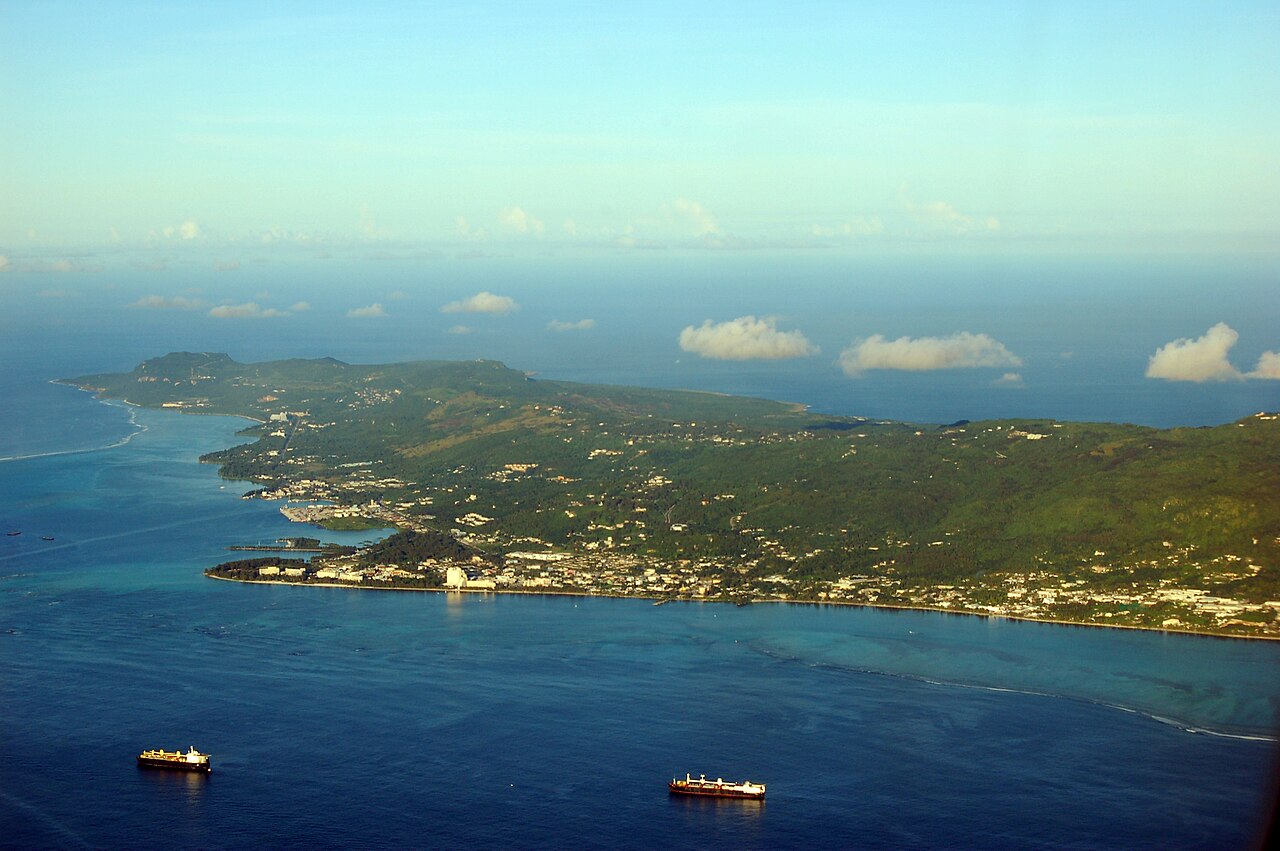

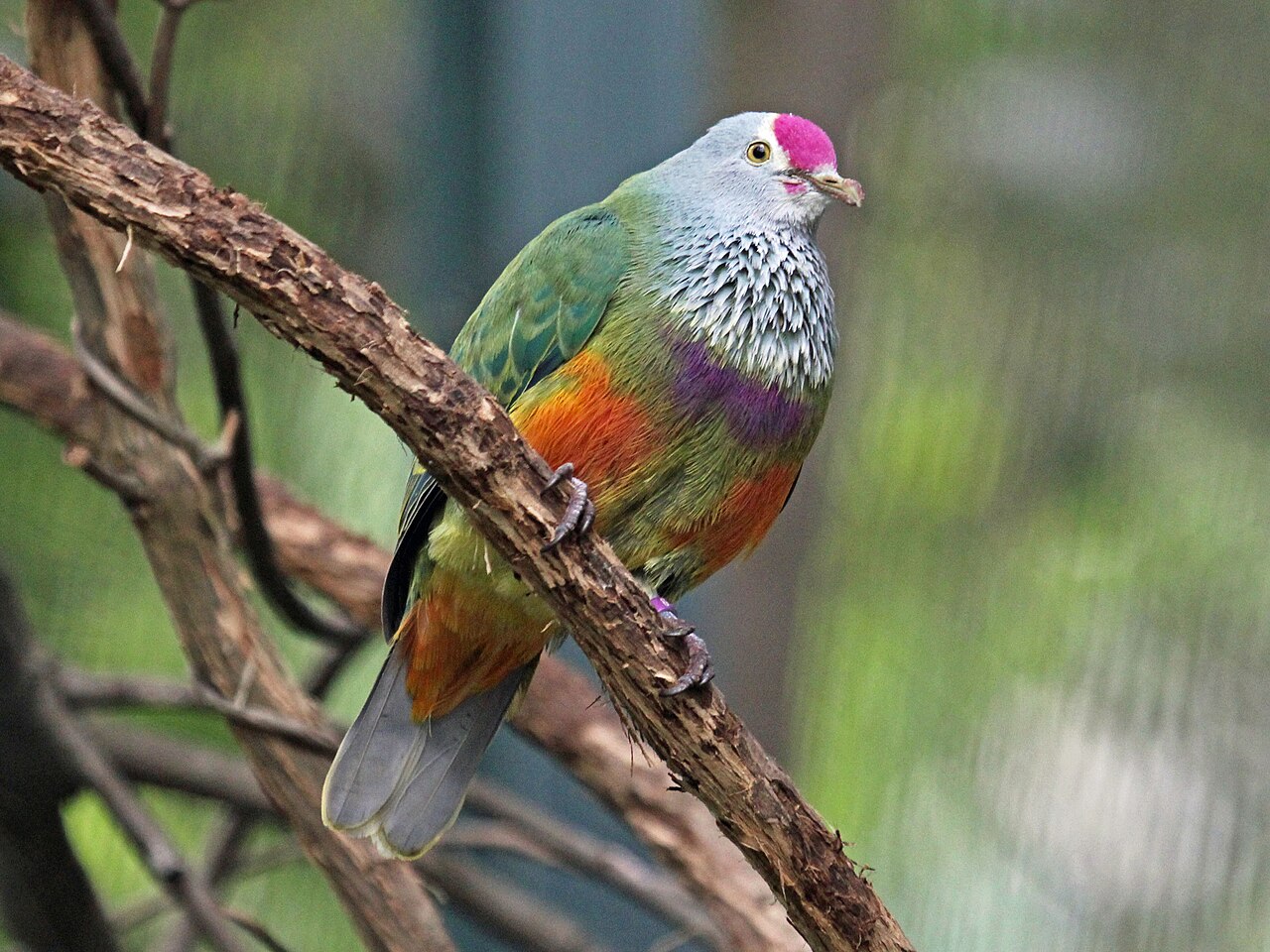
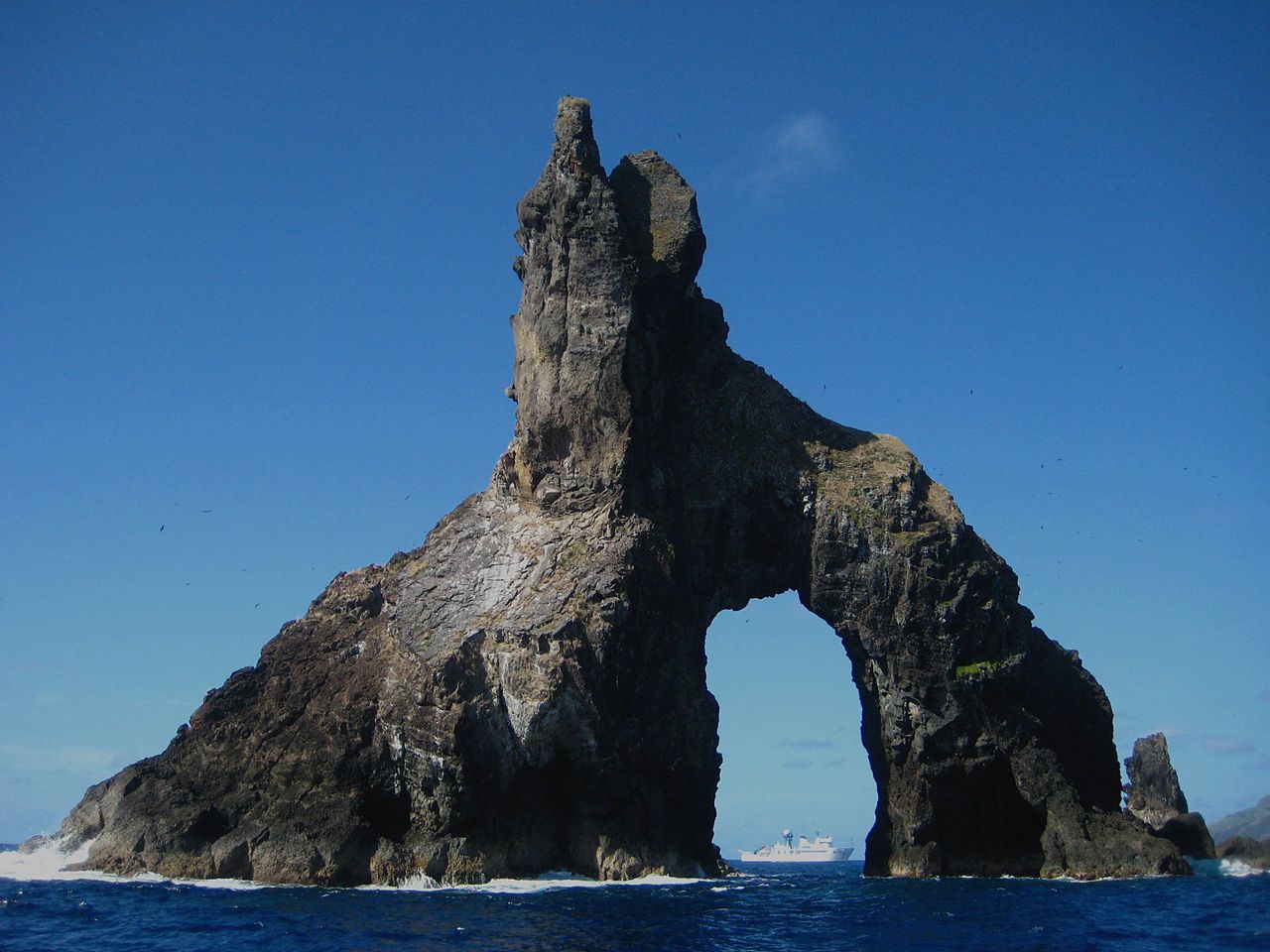


Geography and main islands
The territory comprises a string of islands and atolls that are volcanic in origin or formed from coral limestone. Major inhabited islands include:
- Saipan — the capital and largest population center (Saipan).
- Tinian — known for flat plains and historical airfields.
- Rota — more rural and traditionally oriented.
These islands are part of the broader Mariana archipelago and lie in the western Pacific Ocean (Pacific Ocean), roughly east of the Philippines and south of Japan.
History and colonial transitions
Indigenous Chamorro and later Carolinian peoples inhabited the Marianas for millennia before European contact. Spain colonized the islands in the 17th century and controlled them until the end of the 19th century, after which they were sold to Germany in 1899. Following World War I, Japan administered the islands under a mandate system established by the League of Nations; Japan continued to develop the islands until they became a major battleground in World War II. Allied forces captured the islands during the Pacific campaign, and U.S. administration followed the war (World War I era change, World War II).
Political status and society
In the late 20th century the islands negotiated a political covenant with the United States to become a commonwealth, establishing local self-government in political union with the U.S. Residents are U.S. citizens and the commonwealth has its own constitution and elected officials while many federal programs and laws apply through agreed arrangements. The population reflects indigenous Chamorro and Carolinian heritage alongside immigrants from East Asia and the Philippines; common languages include English, Chamorro and Carolinian (United States association).
Economy, culture and environment
The CNMI economy depends heavily on tourism, particularly visitors from East Asia, and on local services. The islands retain important cultural traditions—dance, crafts and languages—rooted in Chamorro and Carolinian identity. Environmentally, the islands feature tropical climates, coral reefs and volcanic landforms, and some sites preserve relics from wartime battles and colonial periods. Travelers and researchers often consult official resources for current travel and environmental guidelines (local information, regional context).
Notable distinctions
- The CNMI is one of the few U.S. jurisdictions in the Pacific with a commonwealth arrangement.
- The islands played strategic roles in World War II and retain numerous historical sites visited for education and remembrance.
- Its mix of indigenous cultures and later colonial influences creates a distinctive local identity.
Related articles
Author
AlegsaOnline.com Northern Mariana Islands Leandro Alegsa
URL: https://en.alegsaonline.com/art/71042
Sources
- epa.gov : epa.gov
- cia.gov : "Australia - Oceania :: Northern Mariana Islands — The World Factbook - Central Intelligence Agency"