
Axis Powers — Germany, Italy and Japan in World War II
Coalition of states led by Germany, Italy and Japan that fought the Allies in World War II; formed by diplomatic pacts, pursued territorial expansion and were defeated in 1945.
Overview
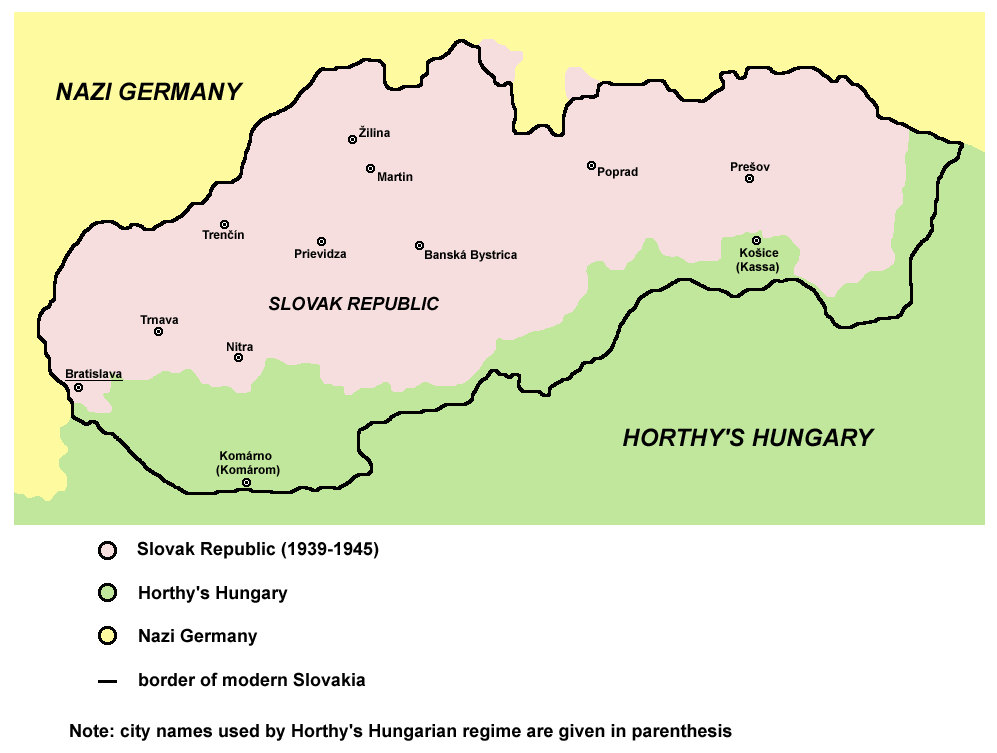
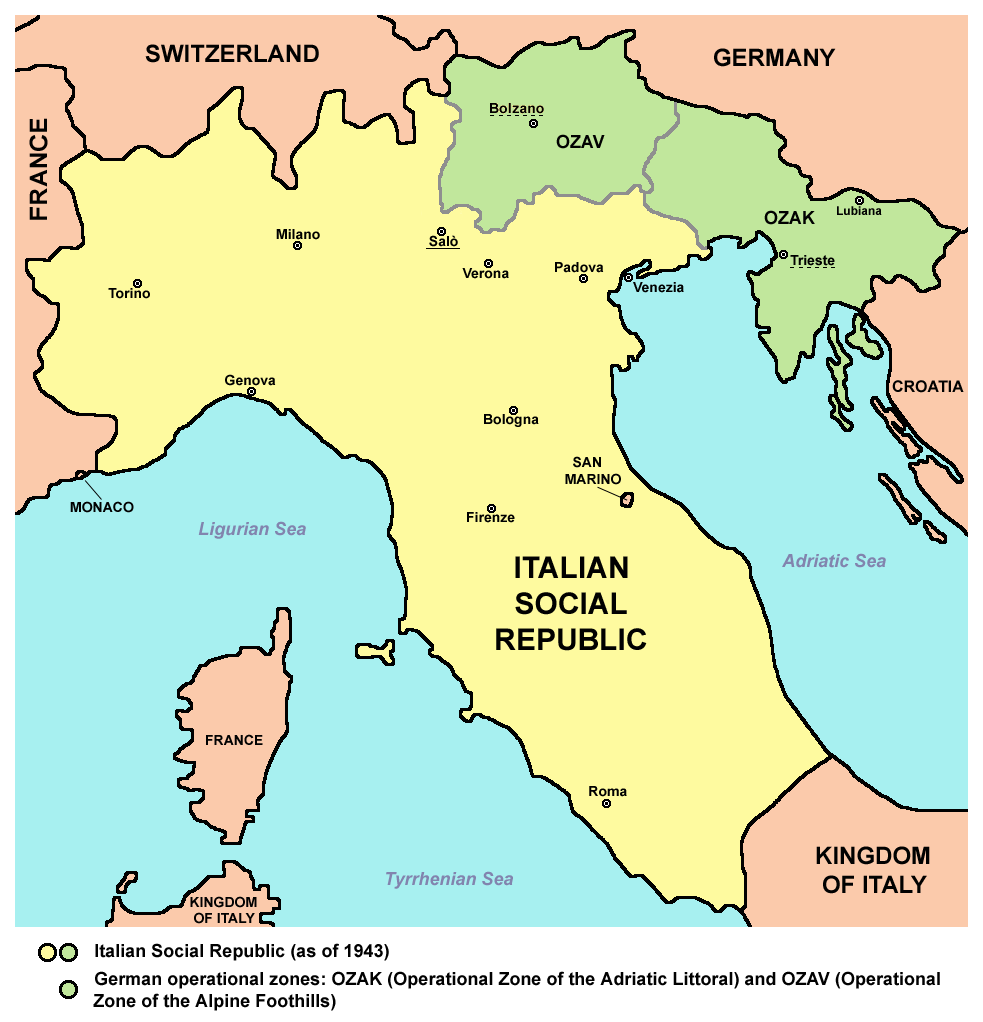
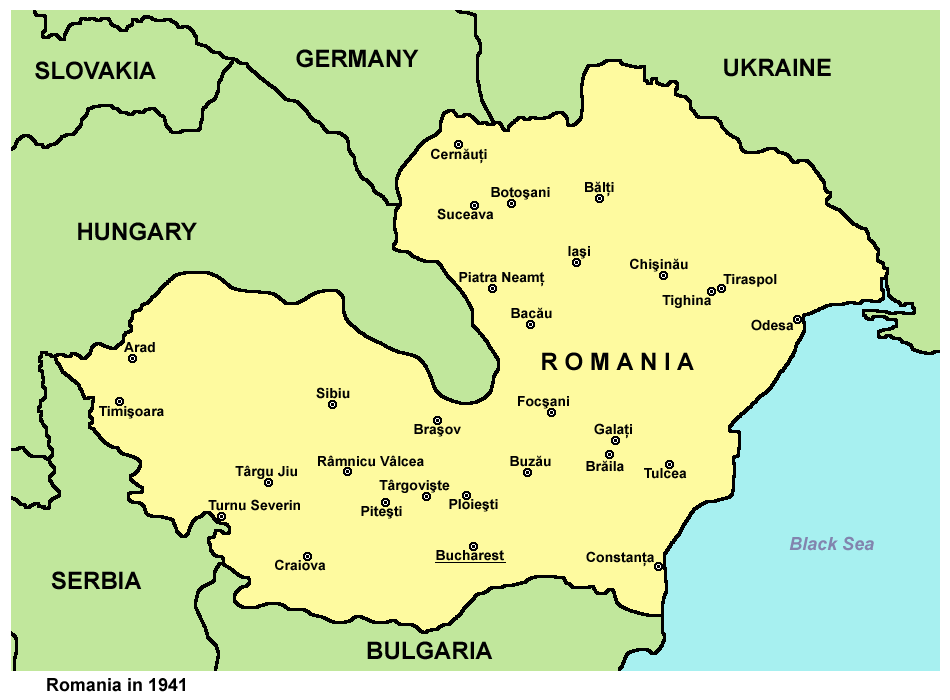
The term "Axis powers" refers to a coalition of states that fought against the Allies during World War II. The principal members were Nazi Germany, Fascist Italy and Imperial Japan. Other states and puppet regimes joined, collaborated or were occupied and used in the Axis war effort. The group opposed a coalition of nations commonly called the Allies.
Image gallery
10 Images




Origins and organization
The Axis emerged in the late 1930s from a sequence of diplomatic pacts and military agreements. Early agreements such as the Anti-Comintern cooperation and bilateral treaties led to broader understandings culminating in the Tripartite Pact, which formalized mutual commitments. Despite formal pacts, the Axis lacked a single command structure and operated as a series of linked, sometimes competing alliances.
Main members and associates
- Core: Germany, Italy, Japan.
- Other participants: satellite regimes and co-belligerent states that joined for political, military or coercive reasons.
- Occupied territories: areas administered or exploited to support the war economy.
Characteristics and conduct
The Axis powers pursued territorial expansion and strategic advantage in Europe, Africa and the Asia–Pacific. Their policies were driven by differing ideologies—national socialism, fascism and militarist imperialism—but all relied on aggressive military campaigns. Coordination varied by theatre: Germany and Italy cooperated in Europe and North Africa, while Japan conducted largely independent operations in East Asia and the Pacific.
Theaters, defeat and consequences
Major campaigns included invasions across Europe and the Soviet Union, campaigns in North Africa and an extended war across the Pacific initiated by Japan’s attacks on Allied positions. The Axis powers were progressively pushed back and surrendered in 1945. The military defeats led to occupation, war crime prosecutions, territorial changes and political reconstruction in defeated states.
Legacy and distinctions
Study of the Axis highlights differences between formal treaties and practical wartime cooperation, the role of ideology in modern conflict, and the legal and moral responses to aggression and atrocities. Some states associated with the Axis were willing partners; others joined under pressure or served as client governments. For concise lists of participating countries and detailed accounts of events consult specialized histories and archives available through research libraries and digital collections (countries, Allies, World War II, alliances).
Related articles
Author
AlegsaOnline.com Axis Powers — Germany, Italy and Japan in World War II Leandro Alegsa
URL: https://en.alegsaonline.com/art/7835