
Nostradamus (Michel de Nostredame) — French apothecary, astrologer and author of prophecies
Michel de Nostredame (Nostradamus) was a 16th-century French apothecary and writer best known for Les Propheties, a collection of cryptic quatrains later associated with many alleged predictions and debated by scholars.
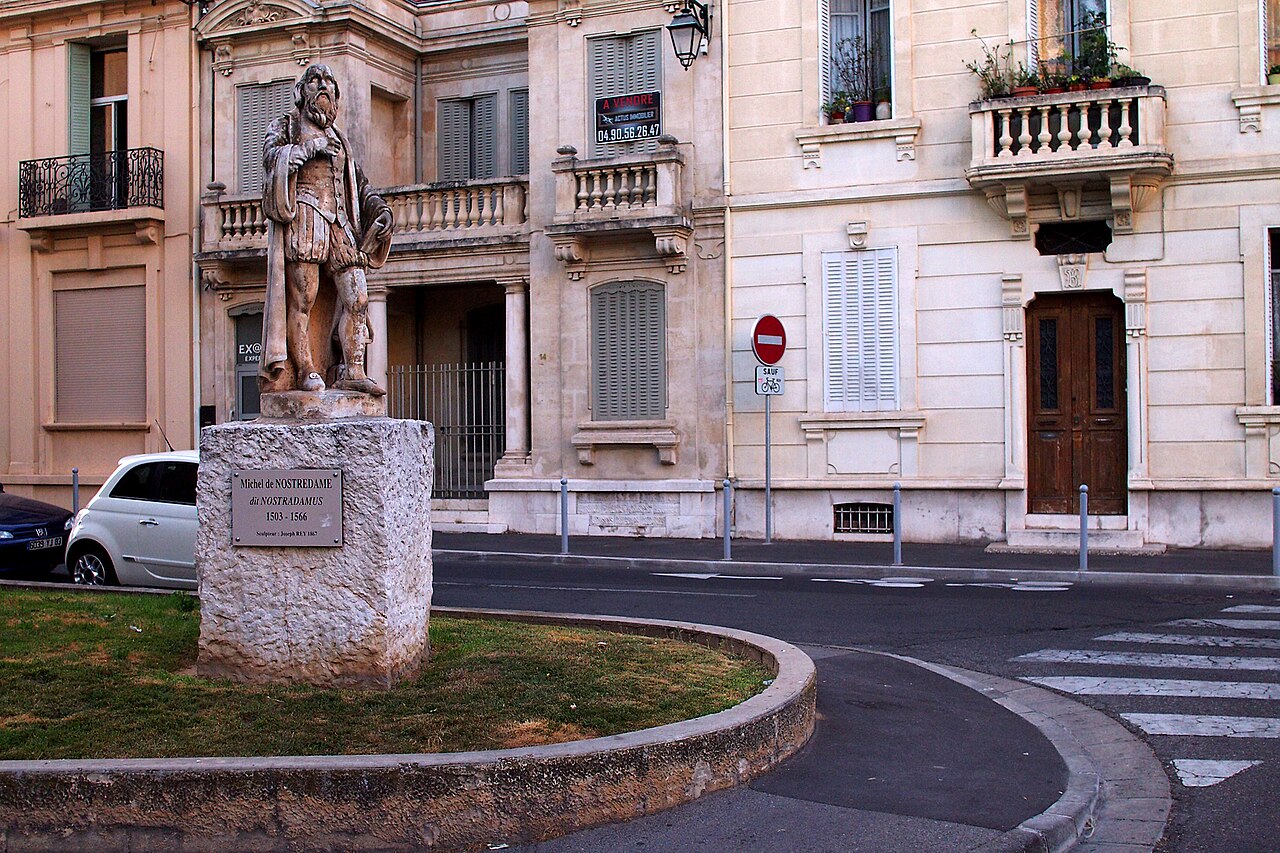
Michel de Nostredame (commonly called Nostradamus) was a French apothecary, astrologer and author born in Provence in December 1503 and who died in July 1566. He published a widely read volume of short prophetic poems called Les Propheties in 1555. Over the centuries his quatrains have been translated, reinterpreted and seized upon by readers who argue they foretell major historical events. Academic historians and scholars of literature generally consider Nostradamus a product of his Renaissance context: a practitioner of herbal medicine and astrology whose work combines classical allusion, ambiguous language and symbolic imagery rather than a reliable system of future prediction.
Image gallery
10 Images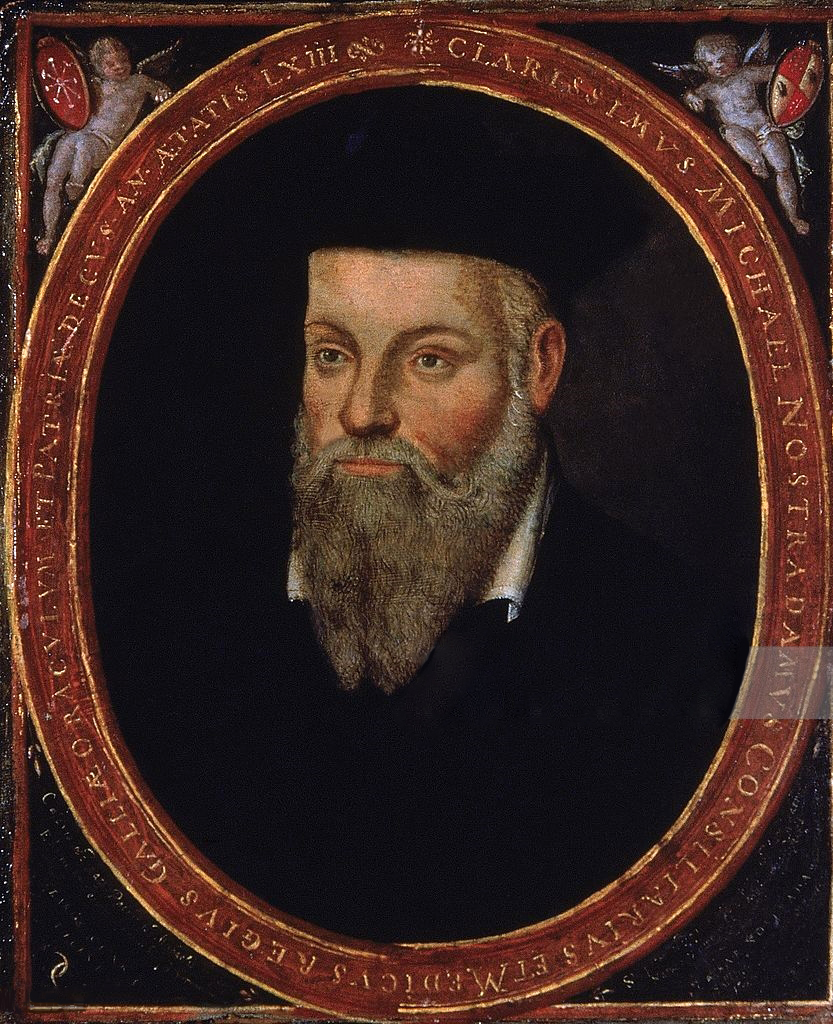



Life and career
Nostradamus trained and worked as an apothecary (a precursor to the modern pharmacist) and later earned a reputation for producing remedies and ointments during outbreaks of disease. He studied in southern French universities for a time, though records of formal degrees are debated. In addition to medical recipes and household manuals, he published astrological calendars and almanacs that increased his public profile. Contemporary accounts and later biographies indicate he traveled in Provence and beyond, treating patients and consulting for local notables. He died in 1566 in Provence; contemporary reports attribute his death to dropsy (edema).
Works and literary style
Nostradamus’s best known work, Les Propheties, is a collection of short four‑line verses called quatrains, arranged in groups called "Centuries." The quatrains are written in a mix of Middle French with occasional Latin, Greek and regional terms, often compressed into elliptical and symbolic phrasing. This style uses allegory, historical and classical references, word play, anagrams and antiquated vocabulary, which together produce highly ambiguous lines that invite multiple readings. Before Les Propheties he published practical treatises, including writings on cosmetics, preserves and remedies, and several almanacs combining weather, astrological forecasts and short prognostications.
Interpretation and criticism
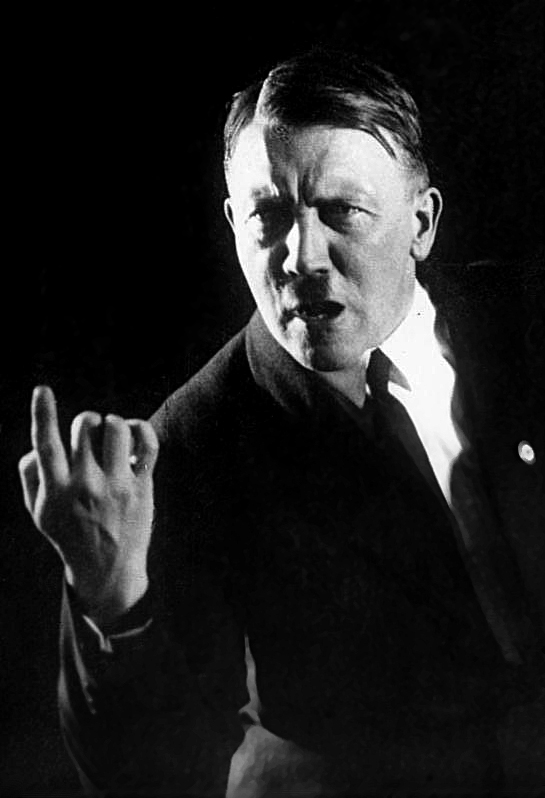
Interpretations of Nostradamus’s quatrains fall into two broad categories: retrospective fitting and speculative forecasting. Retrospective fitting reads the verses after events have occurred and selects or translates phrases to match outcomes; this method benefits from translation flexibility and the quatrains’ vagueness. Critics point out that translations vary widely and that many famous associations — such as those linking quatrains to the Spanish Armada, the French Revolution, or 20th‑century leaders — depend on strained readings or later editorial framing. A well‑known example is the disputed linkage of the word "Hister" in one quatrain to Adolf Hitler; scholars note "Hister" was also used historically for the lower Danube and that the identification is speculative. Professional historians and linguists generally conclude that the quatrains do not demonstrate verified predictive power and that no reliable method has shown they can forecast specific events before they happen.
Context, influence and legacy
Nostradamus wrote during the European Renaissance, a time when astrology, classical learning and occult thought frequently intersected with early medical practice. His mixture of practical medical texts and prophetic poetry placed him at the intersection of popular culture and learned discourse. From the 17th century onward, readers rediscovered and reshaped his reputation; by the modern era, references to Nostradamus appear widely in books, films, and media coverage whenever dramatic events prompt retrospective searches for prophecy. The enduring fascination rests largely on the enigmatic character of the quatrains, the human tendency to find patterns, and popular interest in prophecy.
Key points and study
- Primary work: Les Propheties (first published 1555), made up of quatrains grouped into "Centuries."
- Language and method: elliptical, multilingual phrasing, symbolic imagery and wordplay that permit many interpretations.
- Scholarly view: historians and literary critics regard Nostradamus as a cultural figure; they reject claims that his writings provide reliable forecasts of specific future events.
- Popular use: his quatrains are frequently cited in popular media and speculative literature, often after major historical incidents.
For introductory biographies and collections of his texts see scholarly and critical editions; for popular treatments and interpretations consult general reference sources and works that analyze the history of prophecy and Renaissance astrology. Additional starting points and digitized collections are available online: biographical summaries, editions and translations, and critical studies.
Related articles
Author
AlegsaOnline.com Nostradamus (Michel de Nostredame) — French apothecary, astrologer and author of prophecies Leandro Alegsa
URL: https://en.alegsaonline.com/art/71146