
Four Freedoms: Roosevelt’s 1941 Principles and Their Legacy
Summary of Franklin D. Roosevelt’s Four Freedoms—speech origin, the four rights, wartime role, influence on human rights and culture, and ongoing legacy.
Overview
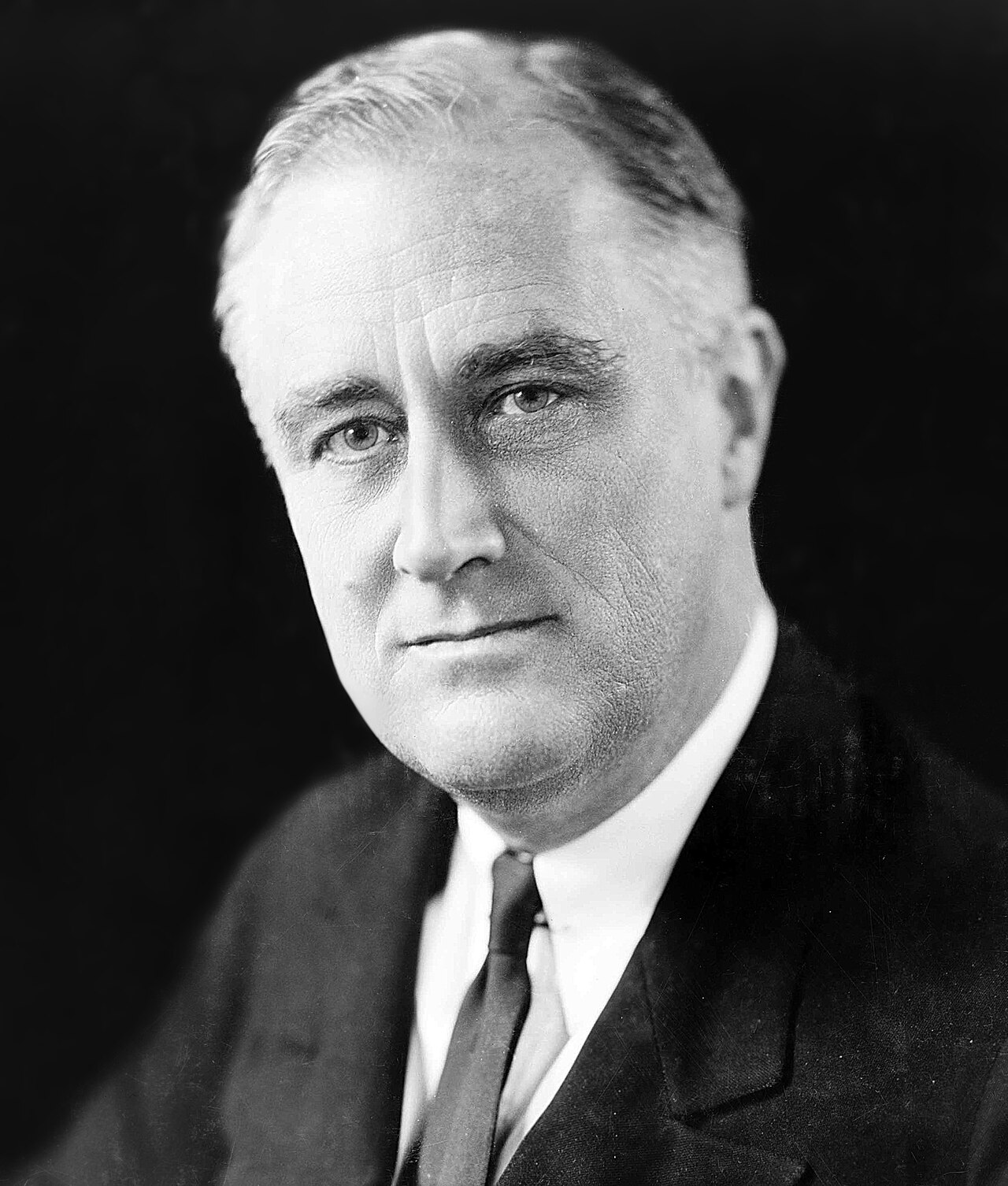
The Four Freedoms are four fundamental goals articulated by Franklin D. Roosevelt in the United States State of the Union address delivered on January 6, 1941. Presented before the nation had entered World War II, the Four Freedoms framed a moral vision for a future international order and helped communicate why the United States was closely watching events abroad.
Image gallery
8 Images





The four freedoms
Roosevelt stated that people everywhere in the world ought to enjoy four essential freedoms. Commonly summarized, they are:
- Freedom of speech — the right to express opinions openly.
- Freedom of worship — the right to practice religion without coercion.
- Freedom from want — economic security sufficient for a decent life.
- Freedom from fear — protection from aggression and the conditions that sustain war.
Historical context and wartime role
The speech came months before the formal American entry into the global conflict and was used to articulate the moral stakes of the fight. American administrations and civilian organizations adopted the language of the Four Freedoms in wartime literature and propaganda to explain alliances and mobilization. The idea helped shape Allied rhetoric about postwar aims and influenced discussions that followed the war about how to prevent future conflicts.
Influence and cultural impact
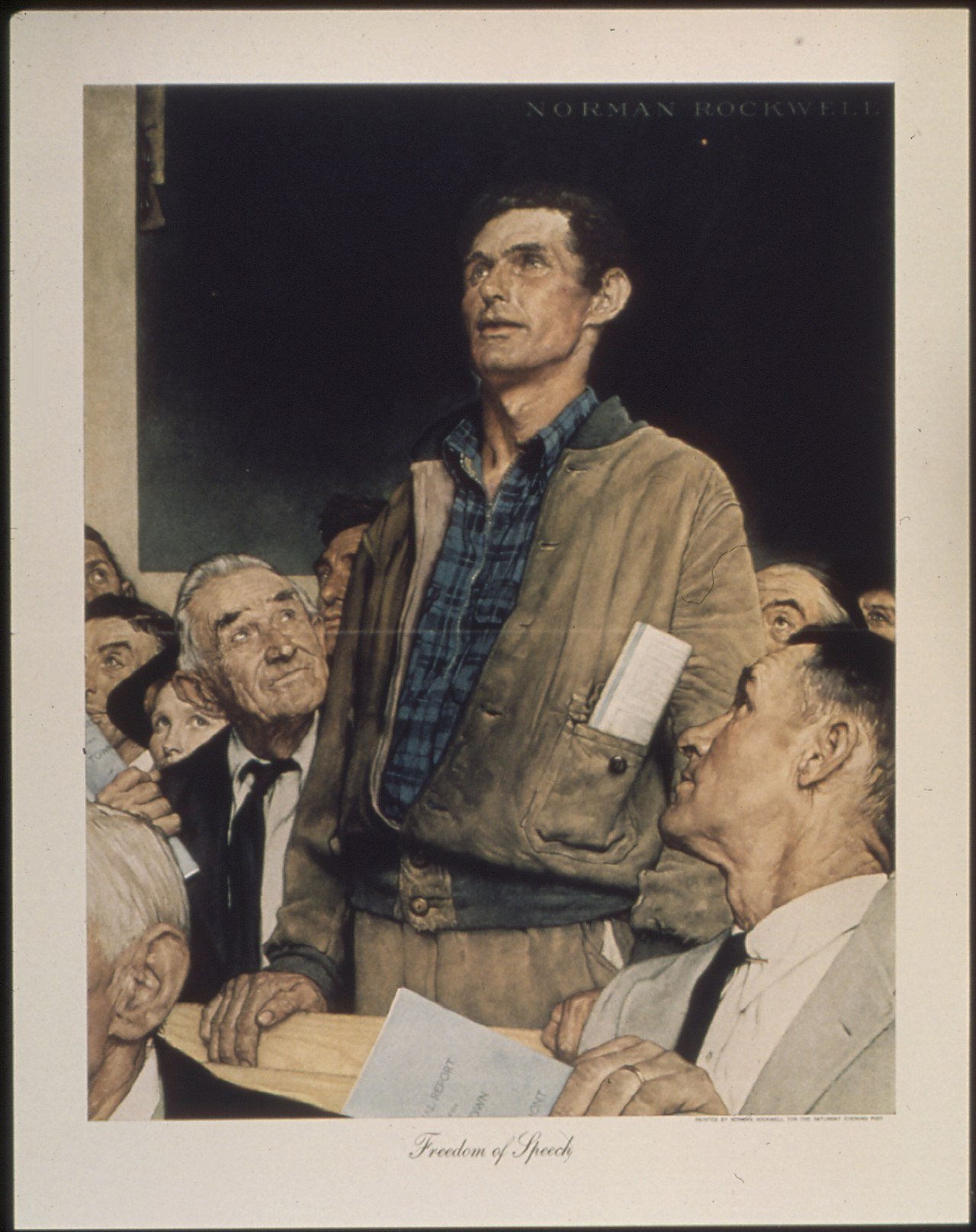
The Four Freedoms transcended the speech itself. Eleanor Roosevelt championed their inclusion in international human rights conversations, and the concept contributed to wording and popular support for the Universal Declaration of Human Rights. Artists, publishers and memorials—most famously a series of paintings and reproductions that circulated widely—made the Four Freedoms visible in American culture.
Legacy and interpretation
Today the Four Freedoms remain a touchstone in discussions of civil liberties, social welfare, and international law. Supporters view them as a concise statement of universal aims; critics have debated how they should be balanced or implemented in practice. As a rhetorical and political device, the Four Freedoms illustrate how a brief presidential address can influence policy, public opinion, and international institutions long after its delivery.
See also:
Questions and answers
Q: What are the Four Freedoms?
A: The Four Freedoms are an important concept of American president Franklin D. Roosevelt. They were presented in the State of the Union of January 6, 1941, and include freedom of speech, freedom of worship, freedom from want, and freedom from fear.
Q: When were the Four Freedoms presented?
A: The Four Freedoms were presented in the State of the Union of January 6, 1941, by American president Franklin D. Roosevelt.
Q: Why is the speech presenting the Four Freedoms called the Four Freedoms Speech?
A: The speech presenting the Four Freedoms is called the Four Freedoms Speech because it proposed and defined them.
Q: How did the concept of the Four Freedoms play a role in American propaganda during World War II?
A: The concept of the Four Freedoms played an important role in American propaganda during World War II because it was used to promote the idea that the war was being fought to protect and defend these freedoms.
Q: When did Eleanor Roosevelt continue advocating for including the Four Freedoms in the Universal Declaration of Human Rights?
A: After Franklin D. Roosevelt's death in 1945, his wife Eleanor continued being an important advocate for including the Four Freedoms in the Universal Declaration of Human Rights.
Q: What is the Universal Declaration of Human Rights?
A: The Universal Declaration of Human Rights is a milestone document adopted by the United Nations General Assembly in 1948. It enshrines the basic rights and freedoms to which all human beings are entitled, including the Four Freedoms.
Q: How many months before American participation in World War II was the concept of the Four Freedoms made public?
A: The concept of the Four Freedoms was made public just eleven months before the American participation at World War II.
Related articles
Author
AlegsaOnline.com Four Freedoms: Roosevelt’s 1941 Principles and Their Legacy Leandro Alegsa
URL: https://en.alegsaonline.com/art/35889