
Norfolk International Airport
Public airport in Norfolk, Virginia serving the Hampton Roads region; city-owned and operated by the Norfolk Airport Authority, handling scheduled commercial service, general aviation and cargo.
Overview
Norfolk International Airport is the primary commercial airport serving the city of Norfolk and the greater Hampton Roads metropolitan area in southeastern Virginia. It is a city-owned facility operated by the Norfolk Airport Authority and provides scheduled passenger flights, air cargo services and general aviation support. The airport is identified by standard aviation codes such as IATA: ORF, ICAO: KORF and FAA LID: ORF.
Image gallery
10 Images





Location and role
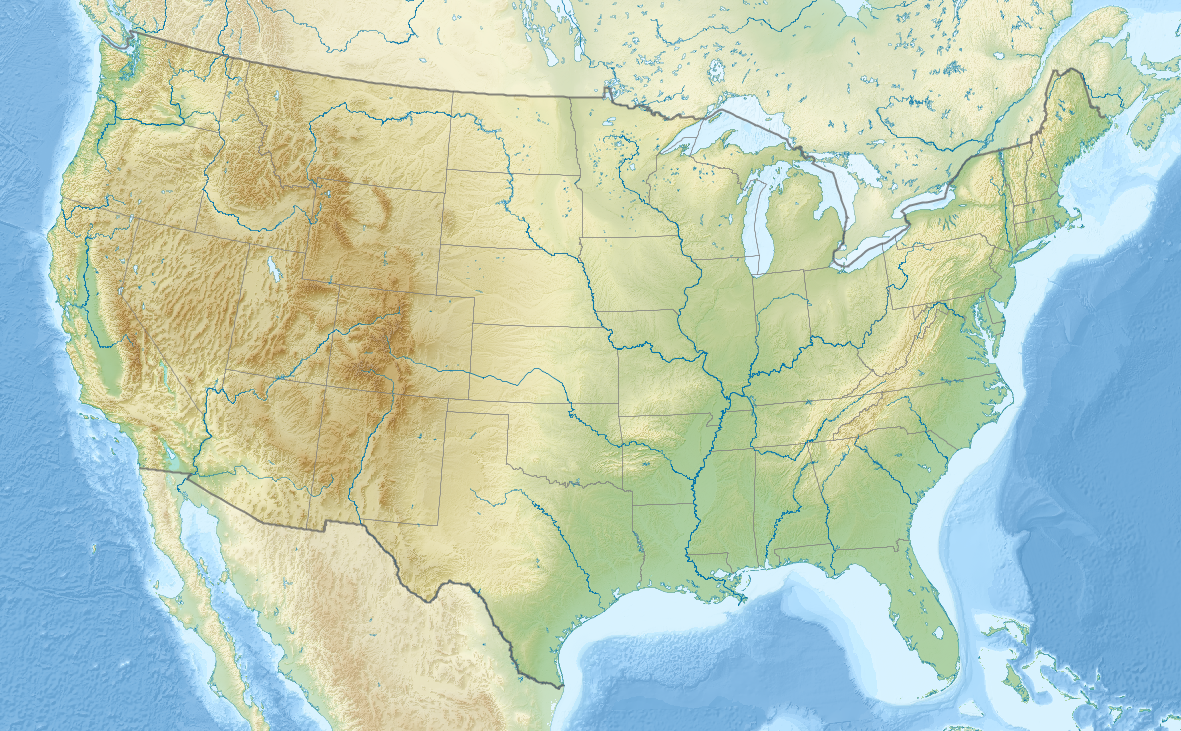
Located in the independent city of Norfolk, within the Commonwealth of Virginia, the airport serves a multi-county region often referred to as Hampton Roads. That metropolitan area includes several neighboring cities and military installations and attracts passengers from parts of northeast North Carolina as well as southeastern Virginia. Norfolk International functions as a regional transportation hub linking the area with major domestic destinations.
Organization and governance
The airport is owned by the city and managed by the Norfolk Airport Authority, a municipal agency that coordinates operations, planning and development. As part of the broader municipal government framework, the authority works with local and state agencies to balance community needs, economic development and aviation safety. The facility supports both civilian and business aviation, and it complements other transportation infrastructure in the region, including seaports and highways used throughout the Hampton Roads area and the metropolitan catchment it serves. It is also a convenient airport for travelers from adjacent parts of northeast North Carolina.
Facilities and operations
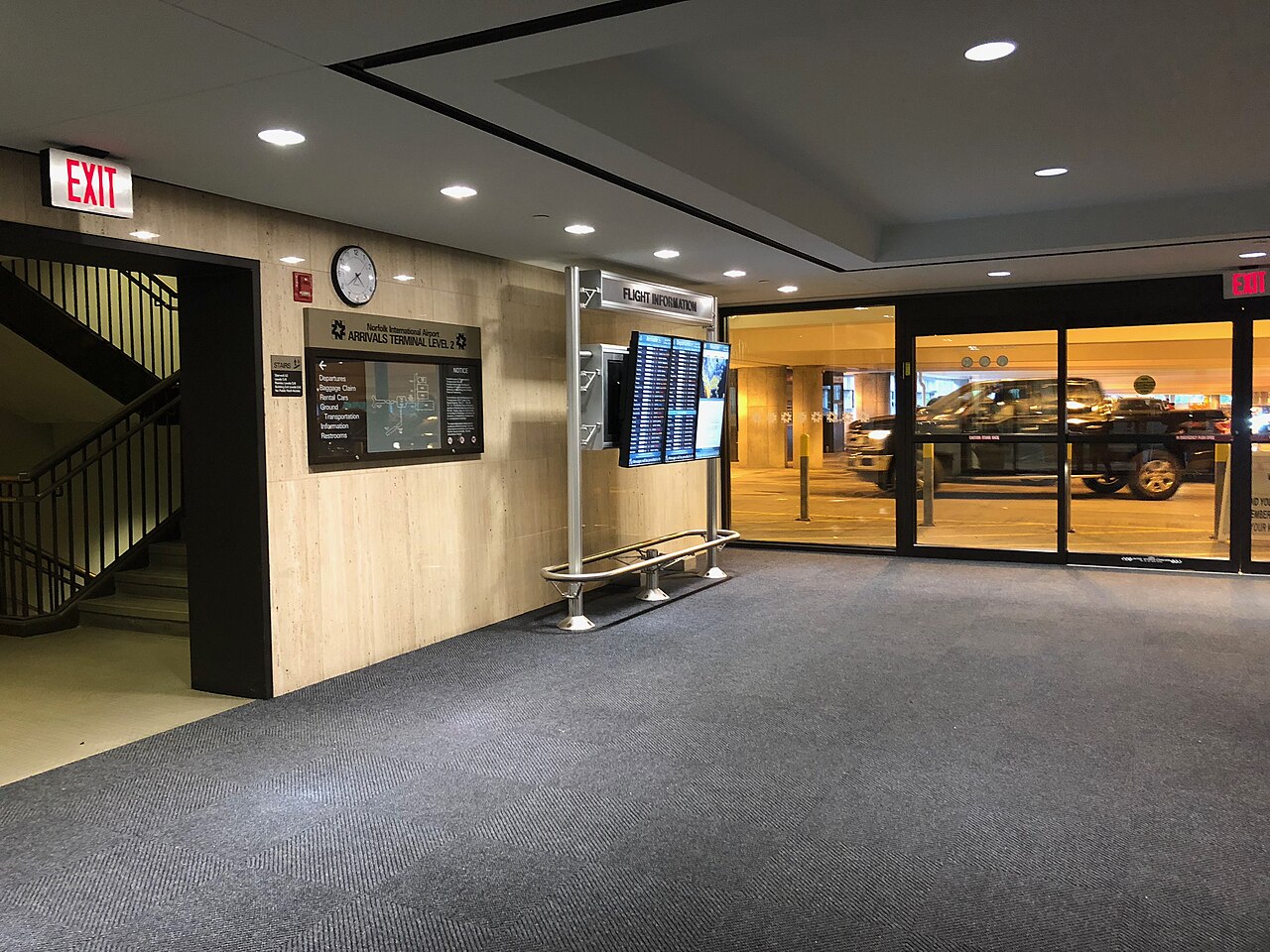
Norfolk International provides a passenger terminal with gates for scheduled airlines, ticketing and passenger amenities, as well as areas dedicated to cargo handling and general aviation. The airport handles a mix of daily departures and arrivals, with dozens of scheduled flights connecting to larger U.S. cities and regional destinations. Over the years it has accommodated growth in regional travel and periodic terminal and airfield upgrades intended to improve passenger flow, security screening and ground transportation links.
Traffic and airlines
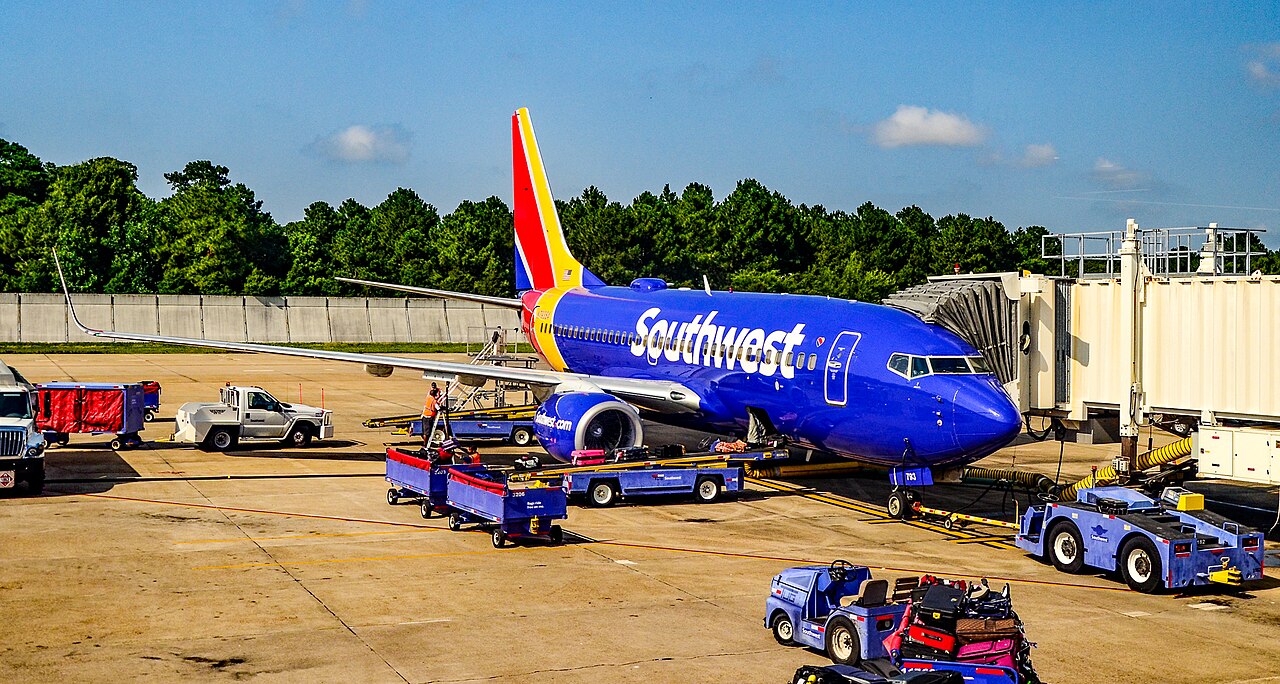
The airport has been one of Virginia's busier airports, ranking among the top in the state by passenger counts. Historically it has served several million passengers in a year — for example, more than 3.5 million people used the airport in 2009 — and continues to support steady regional demand. Typical carriers that have provided regular service include legacy and low-cost airlines; major operators serving the airport have included Southwest Airlines, US Airways (prior to its merger), Delta Air Lines, American Airlines and other national carriers serving connecting routes to larger hubs around the country. Flights connect passengers to business centers, leisure destinations and regional transfer points.
History and importance
Norfolk International developed over several decades as commercial air service expanded in the mid‑to‑late 20th century. Investments in terminal space and airfield capacity have aimed to meet changing aircraft technology and passenger expectations. The airport is important to the regional economy, supporting tourism, military mobility, corporate travel and freight movement. Its proximity to naval facilities and port operations further underscores its role in local logistics and emergency response planning.
Notable facts and distinctions
- Identified by commonly used aviation codes: IATA/ICAO references and codes used by federal authorities for flight planning.
- Serves as one of Virginia's busier airports and a gateway for the Hampton Roads area; it has been listed among the state’s top airports by passenger traffic rankings.
- Annual passenger numbers have varied over time, with documented totals such as the 2009 figure and monthly counts recorded in later years historical data, traffic reports.
- Operated within a municipal framework to align transportation planning and local economic goals governance, regulatory.
Questions and answers
Q: What is the name of the airport in Norfolk, Virginia?
A: The name of the airport is Norfolk International Airport.
Q: Who owns Norfolk International Airport?
A: The city of Norfolk owns Norfolk International Airport.
Q: Who runs the airport in Norfolk?
A: The Norfolk Airport Authority runs the airport in Norfolk.
Q: Where is Norfolk International Airport located?
A: Norfolk International Airport is located in Norfolk, Virginia.
Q: Which metropolitan area and state use Norfolk International Airport?
A: The Hampton Roads metropolitan area of southeast Virginia and the people of northeast North Carolina use Norfolk International Airport.
Q: Which major airlines use Norfolk International Airport?
A: Southwest Airlines, US Airways, Delta Air Lines and American Airlines are the main airlines that use Norfolk International Airport.
Q: How many people used Norfolk International Airport in 2009?
A: Over 3.5 million people used Norfolk International Airport in 2009.
Related articles
Author
AlegsaOnline.com Norfolk International Airport Leandro Alegsa
URL: https://en.alegsaonline.com/art/70700
Sources
- norfolkairport.com : "Press Room - Norfolk International Airport"
- gcr1.com : FAA Airport Master Record for ORF
- gcr1.com : Form 5010
- norfolkairport.com : "8 Non-stop Flights Added"
- norfolkairport.com : Norfolk Airport Statistics
- news.yahoo.com : "Norfolk airport passenger traffic dips in June"
- norfolkairport.com : "Press Room"
- maps.google.com : Distance from airport to intersection of Route 165 & Route 247