
Nouvelle cuisine
Nouvelle cuisine is a late 20th-century French approach emphasizing lighter sauces, fresh seasonal ingredients and artful plating that transformed fine dining and influenced modern culinary trends.
Overview
Nouvelle cuisine (the French term meaning "new cuisine") is a culinary movement that emerged as a reaction to the heavy, elaborate style known as haute cuisine. It favors freshness, simplicity and visual appeal over dense sauces, long braises and lengthy multi-course service. The movement crystallized in the 1960s and 1970s in Paris and by the 1980s had become visible in major dining centers such as London and New York, eventually influencing restaurants worldwide.
Image gallery
4 Images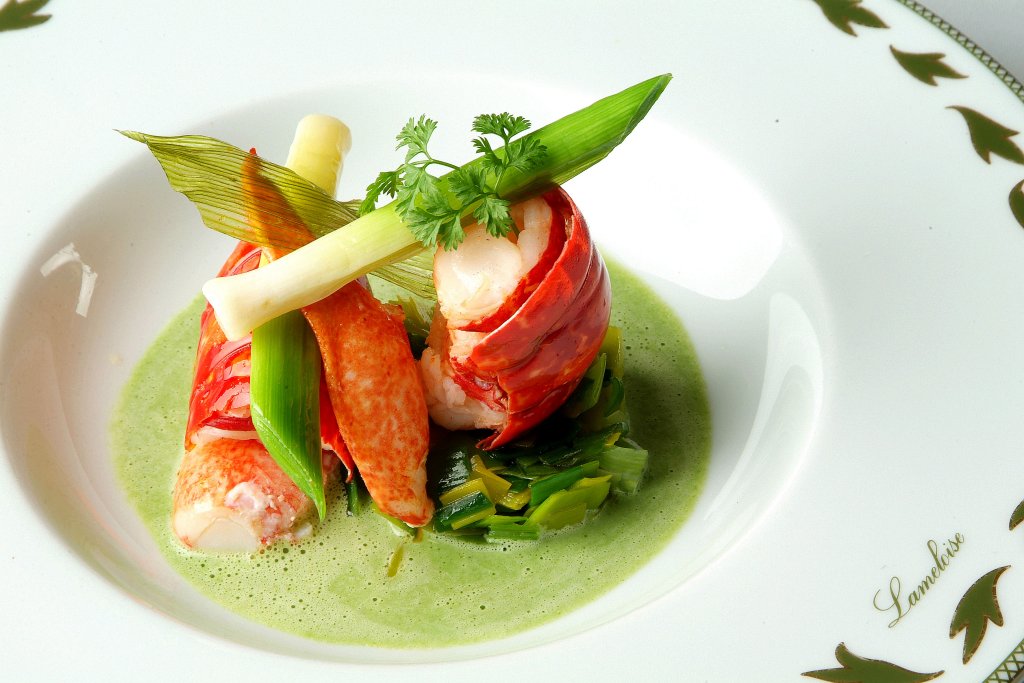


Origins and development
Nouvelle cuisine arose from changing social habits, new expectations of diners and the creativity of a generation of French chefs. Established figures such as Paul Bocuse, Michel Guérard and members of the Troisgros family are often associated with its rise; younger chefs sought to free cooking from rigid classical rules and to highlight natural flavors. Critics and restaurant guides played a role in naming and promoting the trend: the food writers Henri Gault and Christian Millau, among others, championed the approach and helped to publicize its principles. Shifts in working life and dining habits — for example, the decline of traditional long, multi-hour lunches — also encouraged menus that were lighter and quicker to eat (see social context).
Key characteristics
- Lighter, fresher preparations with reduced reliance on heavy, cream-based sauces.
- Shorter cooking times to preserve texture and natural taste of ingredients.
- Emphasis on seasonality and high-quality, often regional, produce.
- Simpler, more modern plating that treats the plate as a canvas for color and composition.
- Smaller portions and fewer staged courses, with an eye toward balance and clarity.
The movement was not merely a change of recipes but a wider rethinking of kitchen priorities: ingredient quality, restraint in seasoning, and attention to presentation became defining features.
Techniques, equipment and influences
Although rooted in classical training, chefs practicing nouvelle cuisine experimented with timing, lighter reductions, and new combinations of herbs and acids to lift flavors. Advances in food storage and distribution made fresh ingredients more reliably available year-round, and growing international travel introduced cooks to new produce and pairings. The movement opened the door for later innovations in modernist cooking and for an increased focus on regional identity and sourcing in restaurants.
Legacy and distinctions
Naturally, tastes continued to evolve. By the late 1980s and 1990s, some critics argued that nouvelle cuisine had become fashionable to the point of excess, and other trends—such as a return to heartier regional dishes or the rise of molecular gastronomy—gained attention. Nonetheless, many of its core contributions remain embedded in contemporary fine dining: the prioritization of fresh ingredients, clearer flavors, and attention to plating. Nouvelle cuisine is best understood in contrast to classical haute cuisine: where haute cuisine prized elaborate technique and rich sauces, nouvelle cuisine privileged immediacy, lightness and visual refinement.
Importance and examples
Today, elements of nouvelle cuisine appear across a spectrum of restaurants, from bistros that emphasize seasonal vegetables and restrained sauces to upscale kitchens that combine artistic plating with minimalist technique. Its influence is visible in the global emphasis on farm-to-table sourcing, shorter menus, and chefs' celebration of single ingredients rather than masked flavors.
For further historical context and examples of leading practitioners and restaurants associated with the movement, see contemporary guides and retrospectives that catalogue the period and its prominent chefs.
Questions and answers
Q: What is nouvelle cuisine?
A: Nouvelle cuisine is a cooking and food presentation approach in French cuisine that is characterized by lighter, delicate dishes, and attractive presentation.
Q: How is nouvelle cuisine different from haute cuisine?
A: Nouvelle cuisine is different from haute cuisine in that it focuses on lighter dishes and aesthetically attractive presentation.
Q: When and where did the nouvelle cuisine movement start?
A: The nouvelle cuisine movement started in Paris in the 1970s.
Q: Where was the nouvelle cuisine movement seen by the 1980s?
A: By the 1980s, the nouvelle cuisine movement was seen in London and New York.
Q: What are some reasons why the nouvelle cuisine movement became popular?
A: The nouvelle cuisine movement became popular because of modern business life, where long two-hour lunches are no longer as common, and customers began to look for lighter food menus.
Q: Who put out a new restaurant guide that listed ten characteristics of the nouvelle cuisine style of cooking?
A: Food critics Henri Gault and his colleagues André Gayot and Christian Millau put out a new restaurant guide, the Gault-Millau or Le Nouveau Guide, that listed ten characteristics of the nouvelle cuisine style of cooking.
Q: What were the ten characteristics of the nouvelle cuisine style of cooking listed by Henri Gault and his colleagues?
A: The ten characteristics of the nouvelle cuisine style of cooking listed by Henri Gault and his colleagues were not specified in the text.
Related articles
Author
AlegsaOnline.com Nouvelle cuisine Leandro Alegsa
URL: https://en.alegsaonline.com/art/71209
Sources
- gaultmillau.fr : history of the company