
Nocturnal animals: behavior, adaptations, and ecological roles
Overview of animals active at night: definitions, sensory and behavioural adaptations, activity patterns (nocturnal, crepuscular, cathemeral), examples, ecological importance, and conservation concerns.
Most nocturnal animals are species that are active during the night and rest during daylight hours. The term traces to the Latin root nox. Nocturnality is one of several daily activity patterns among animals and contrasts with diurnal behaviour, in which activity peaks in daylight. Many nocturnal species sleep or seek shelter by day and emerge at night to forage.
Image gallery
8 Images
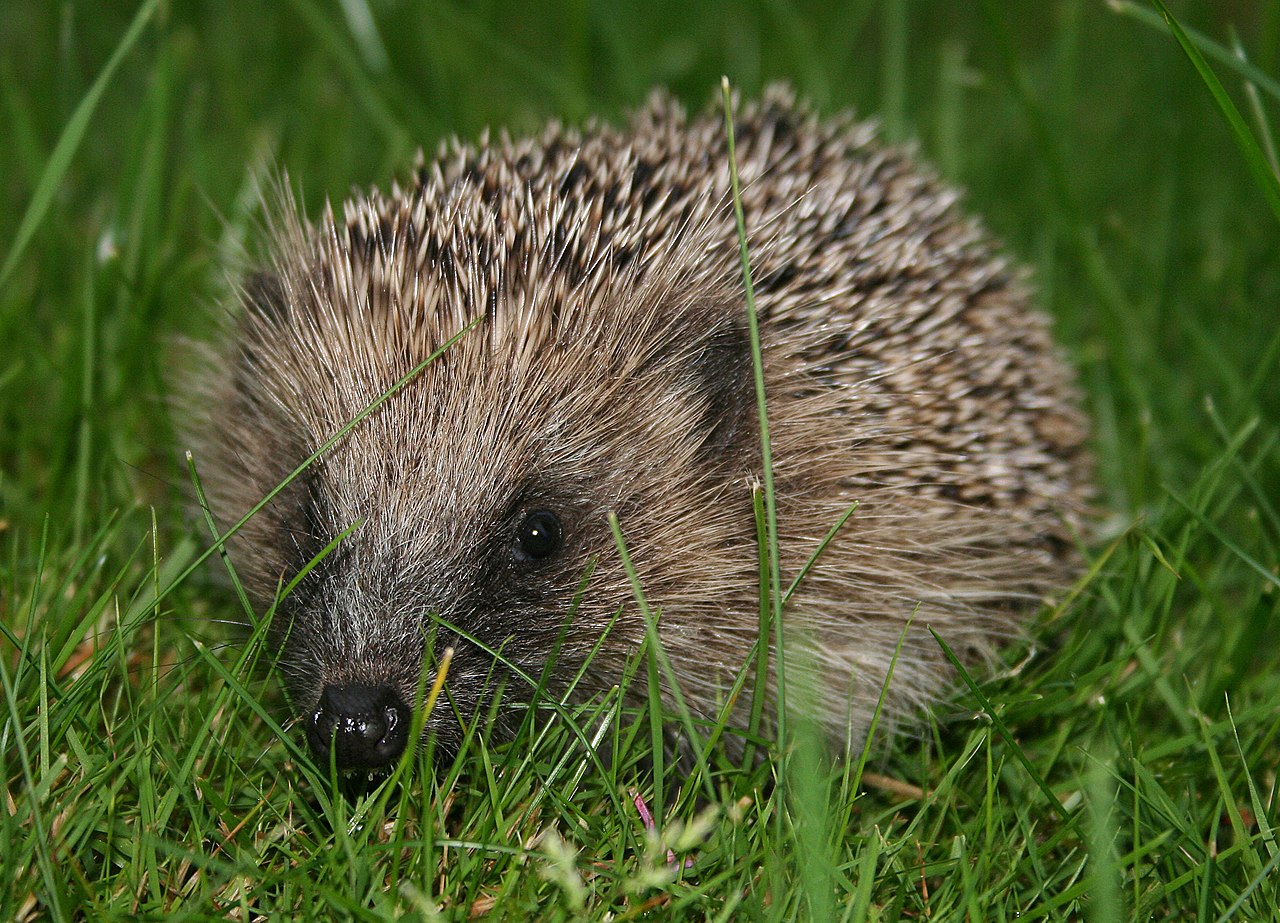

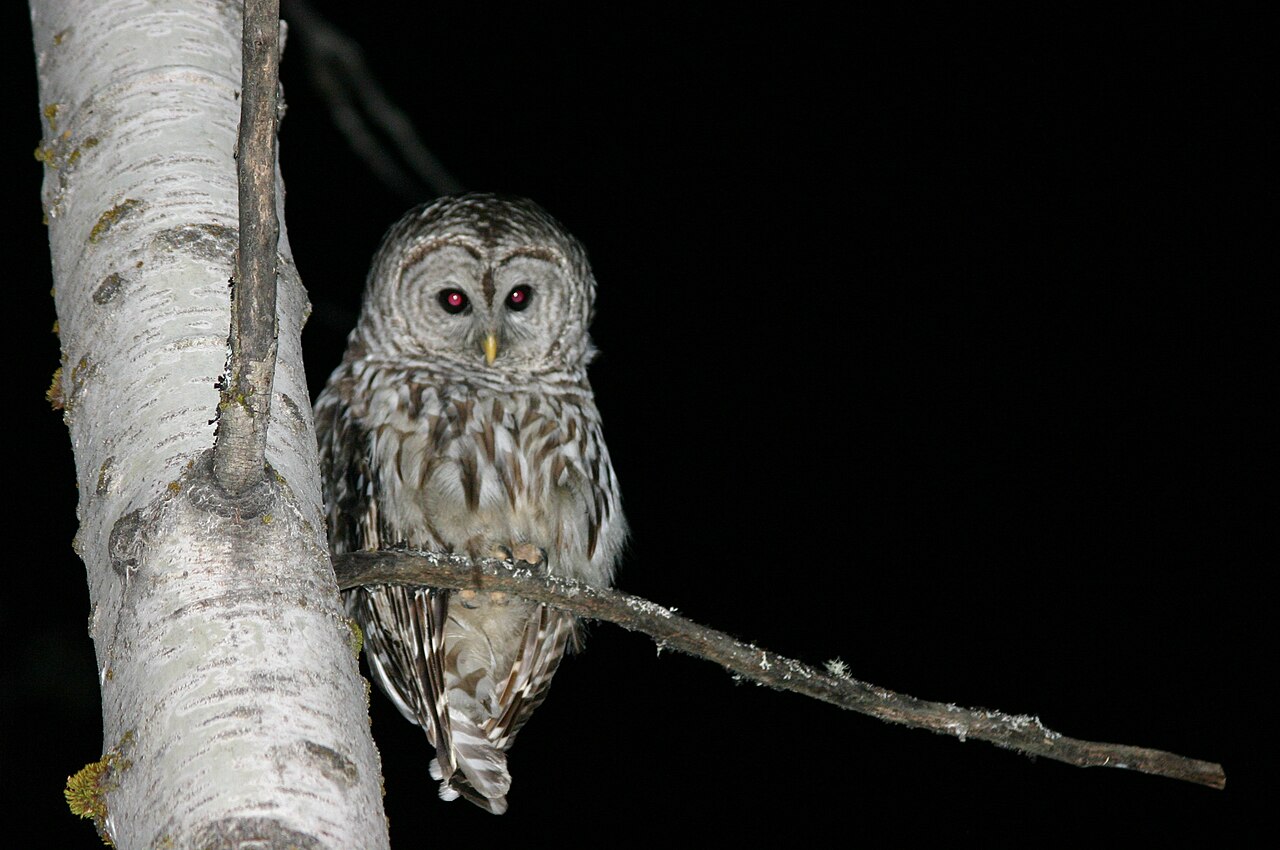
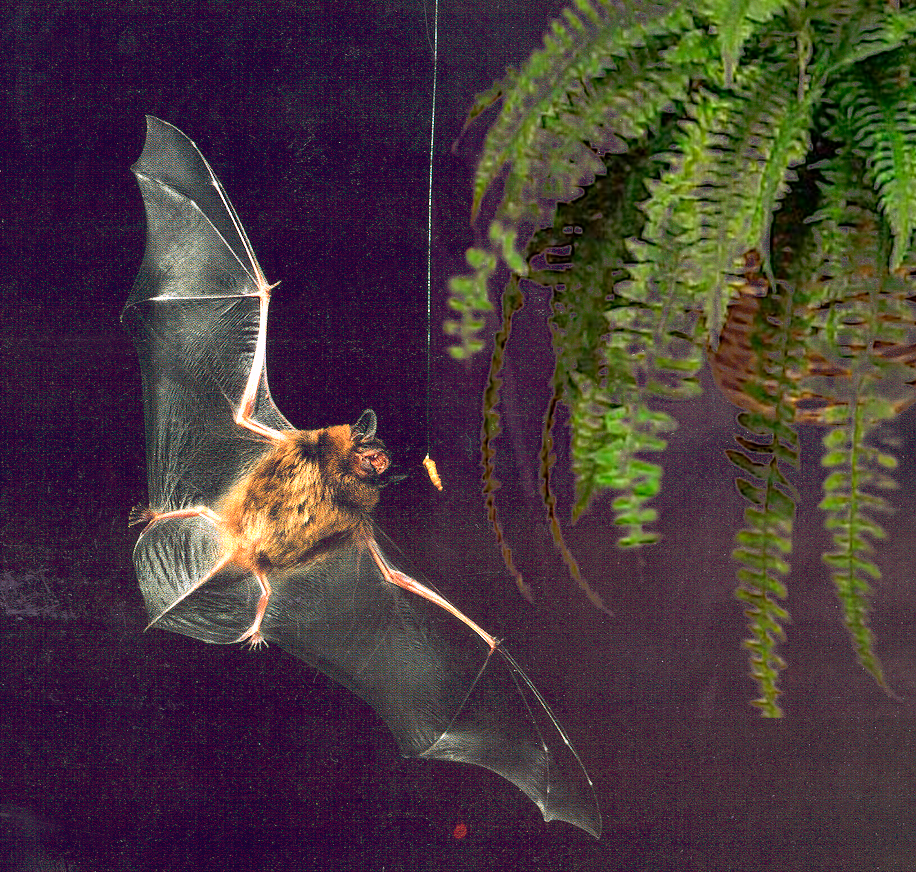


Adaptations for life after dark
Nocturnal life favours sensory and behavioural features that improve survival and foraging in low light. Visual adaptations often include relatively large eyes and corneas that increase light capture; some mammals and reptiles also possess a reflective layer behind the retina (causing eyeshine) that boosts sensitivity. For an overview of night vision mechanisms see visual adaptations, and note the role of a large cornea in low-light seeing relative to eye size.
Non-visual senses are commonly enhanced. Bats use echolocation to navigate and locate prey; many nocturnal mammals rely on acute hearing, enlarged olfactory systems, or tactile whiskers; insects and amphibians may have specialised chemoreceptors tuned for night-time activity. Colouration and patterning tend toward muted tones and disruptive markings that improve camouflage under dim light.
Activity patterns and related terms
Biologists distinguish several temporal strategies. Nocturnal species are primarily active at night. Crepuscular animals concentrate activity around dawn and dusk (and sometimes under bright moonlight), while cathemeral species show no strong preference, being active both day and night.
- Crepuscular behaviour can be influenced by moon phase and temperature; domestic cats, for example, often hunt rodents around twilight or on bright nights and are described variously as crepuscular or cathemeral depending on context (moonlight effects, domestic cat examples).
- Diurnal species follow a daytime schedule and form the opposite temporal niche to nocturnal species (see diurnal).
Examples, ecology and importance
Typical nocturnal predators include owls and many bat species, which exploit darkness to capture insects and small vertebrates. Numerous rodents, marsupials, carnivores and reptiles adopt nocturnality to avoid heat, reduce competition, or exploit night-active prey. Night-active pollinators such as moths, and nocturnal seed dispersers, play important roles in ecosystem function.
Human interactions and conservation
Artificial lighting, habitat fragmentation and climate change can disrupt nocturnal rhythms and navigation, a problem often termed light pollution. Changes to night-time environments can reduce reproductive success, alter predator–prey interactions and increase road mortality. Researchers use night-vision optics, acoustic monitoring and telemetry to study nocturnal behaviour and inform conservation planning.
Notable distinctions
While "nocturnal" specifically denotes night-active habits, it lies on a spectrum that includes crepuscular, diurnal and cathemeral strategies. Common signatures of nocturnal life include eyeshine, enlarged corneas, specialised hearing and, in some groups, echolocation. For taxon-specific research and databases consult specialist sources and field guides.
Related articles
Author
AlegsaOnline.com Nocturnal animals: behavior, adaptations, and ecological roles Leandro Alegsa
URL: https://en.alegsaonline.com/art/70525
Sources
- bbc.co.uk : "Nocturnal"