
Northern bluefin tuna
A comprehensive overview of the northern (Atlantic) bluefin tuna: its appearance, biology, range, human uses, and conservation concerns.

The northern bluefin tuna is a large, powerful oceanic fish known for its speed, endurance, and importance to fisheries and sport anglers. Often called the Atlantic bluefin, it inhabits temperate and subtropical waters of the North Atlantic and the Mediterranean. These fish are long-lived for tunas and migrate seasonally between feeding and spawning areas.
Image gallery
9 Images




Characteristics and adaptations
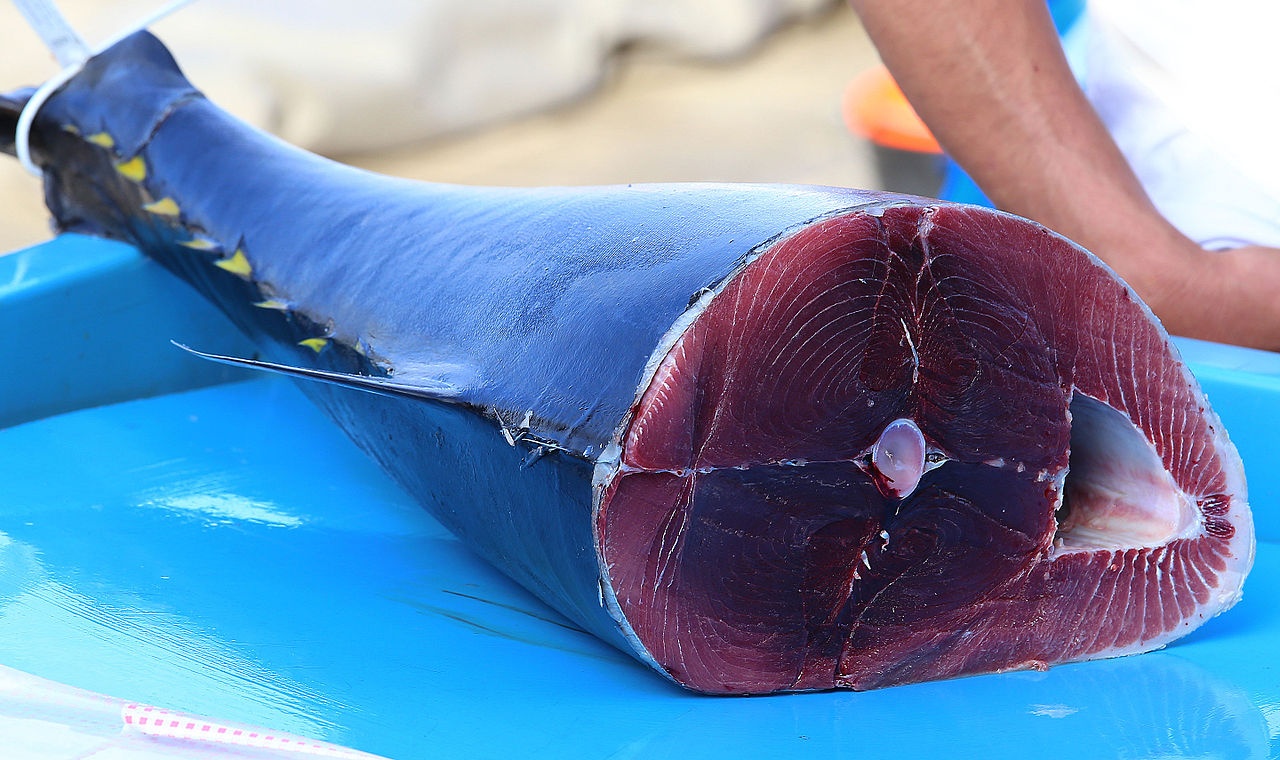
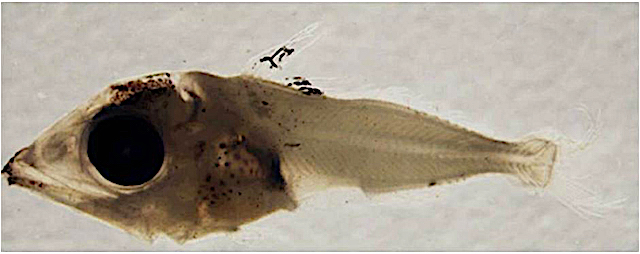
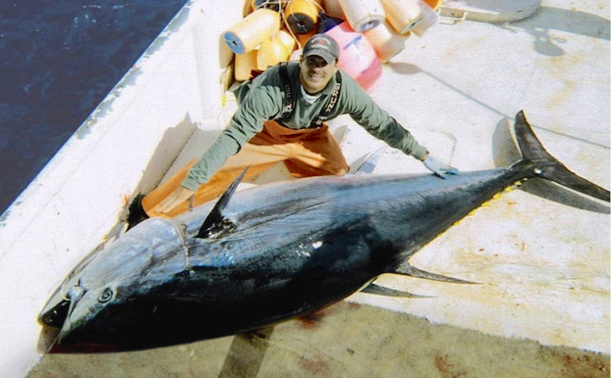
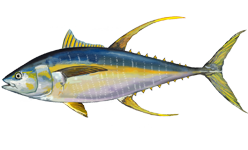
Bluefin tuna are among the largest tuna species, with adults commonly exceeding two meters in length and weighing several hundred kilograms. Their bodies are streamlined with a metallic blue back, silvery belly and a fusiform shape finishing in a crescent-shaped tail that delivers powerful thrust. They possess a thick, muscular body, a narrow caudal peduncle with stabilizing keels, and retractable fins that reduce drag.
Physiologically, northern bluefin tuna are exceptional swimmers: they maintain elevated muscle temperatures relative to surrounding water, a form of regional endothermy that supports sustained activity and predatory efficiency in cool waters. They feed on a wide range of prey such as smaller fish, squid and crustaceans, and mature after several years of growth.
Human use, management and notable facts
Bluefin tuna are highly prized for their meat, particularly in markets for sushi and sashimi, which has driven intensive commercial and recreational fishing. Because of heavy exploitation, many populations have declined and are now the focus of international management, quotas and conservation measures. Ongoing monitoring, improved fisheries management and aquaculture efforts aim to allow recovery while supporting coastal economies.
- Range: North Atlantic and Mediterranean
- Diet: piscivore and cephalopod prey
- Specialty: regional endothermy and long-distance migrations
For general information on tuna biology and fisheries see bluefin tuna resources and conservation summaries.
Questions and answers
Q: What are Northern bluefin tuna?
A: Northern bluefin tuna are the largest kind of tuna fish.
Q: How long do Northern bluefin tuna live?
A: Northern bluefin tuna live for 11 to 26 years.
Q: What makes Northern bluefin tuna unique among other fish?
A: Northern bluefin tuna is one of the largest, fastest, and most colorful of all the world's fish.
Q: How do Northern bluefin tuna compare to other kinds of tuna fish?
A: Northern bluefin tuna are the largest kind of tuna fish.
Q: What is the average lifespan of Northern bluefin tuna?
A: The average lifespan of Northern bluefin tuna is approximately 18.5 years.
Q: Why are Northern bluefin tuna important?
A: Northern bluefin tuna are important for commercial and recreational fishing industries.
Q: How do Northern bluefin tuna's size, speed, and color enhance their survival?
A: Northern bluefin tuna's size, speed, and color enhance their ability to evade predators and catch prey.
Related articles
Author
AlegsaOnline.com Northern bluefin tuna Leandro Alegsa
URL: https://en.alegsaonline.com/art/71007
Sources
- animals.nationalgeographic.com : animals.nationalgeographic.com/animals/fish/bluefin-tuna/