
Nitrogen oxide (nitrogen oxides): overview, properties, and impacts
Collective term for chemical compounds of nitrogen and oxygen (e.g., NO, NO2, N2O) important in combustion chemistry, atmospheric pollution, climate forcing and biological signaling.
Nitrogen oxide refers to any chemical compound composed of nitrogen and oxygen atoms. The term is often used broadly to mean the family of nitrogen oxides, commonly abbreviated as NOx in air‑quality and combustion contexts. Members of this family range from simple diatomic radicals to more complex oxides and anhydrides; they differ widely in physical properties, chemical reactivity, environmental effects, and uses.
Image gallery
7 Images


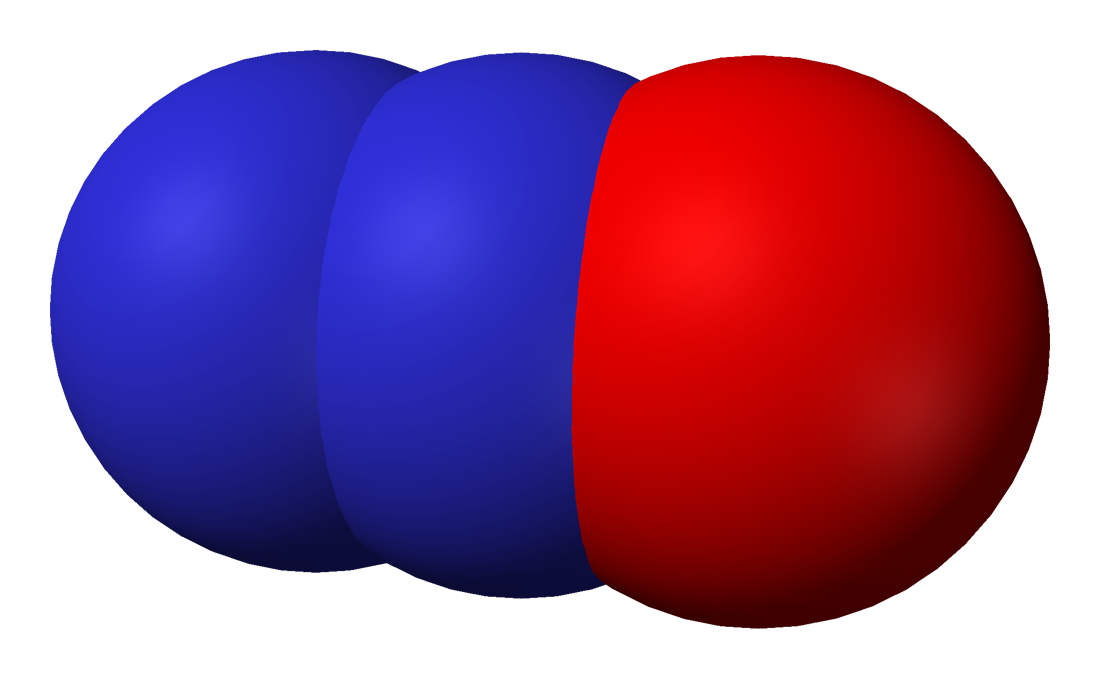

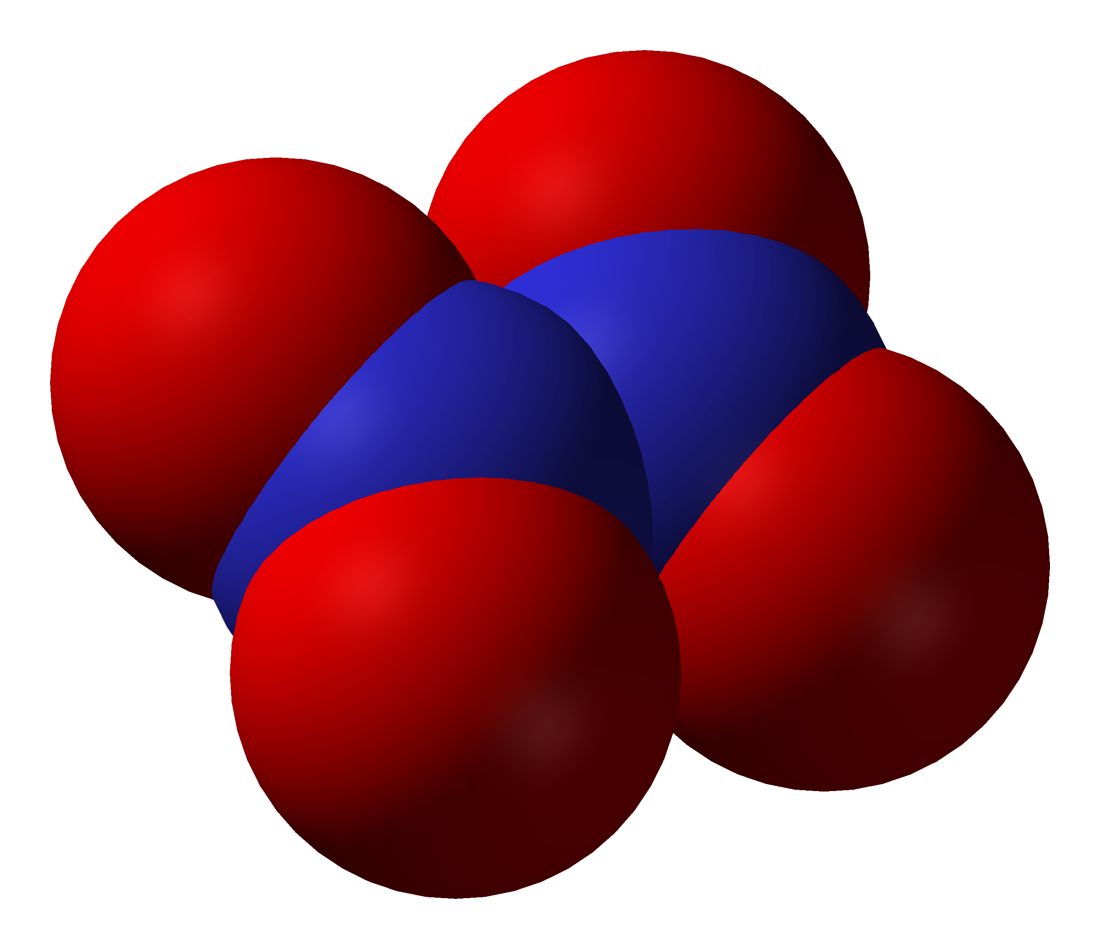

Common nitrogen oxides
- Nitric oxide (NO) — a diatomic radical formed at high temperatures; reactive and short‑lived in air. Plays roles in combustion chemistry and as a biological signaling molecule that regulates blood vessel dilation.
- Nitrogen dioxide (NO2) — a brown, toxic gas produced by oxidation of NO; important in urban smog formation and a precursor to nitric acid in acid rain.
- Nitrous oxide (N2O) — a stable gas known as "laughing gas" historically used as an anesthetic and analgesic; also a long‑lived greenhouse gas that affects the atmosphere.
- Dinitrogen trioxide, tetroxide, pentoxide (N2O3, N2O4, N2O5) — less common discrete molecular oxides that appear under specific conditions and are relevant in laboratory chemistry and nitric acid chemistry.
Nitrogen oxides are formed by combustion of nitrogen‑containing fuels, lightning, and certain industrial processes. At high temperatures, molecular nitrogen and oxygen react to produce NO, which can oxidize to NO2. In the atmosphere these species participate in photochemical cycles that generate ozone at ground level (photochemical smog) and form nitric acid, contributing to acid deposition.
Uses and applications vary by compound. NO has niche medical and research applications as a vasodilator and signaling agent. N2O remains used in dentistry and surgery for analgesia and sedation and is also used as an oxidizer or propellant in some industrial settings. Other oxides are intermediates in the manufacture of nitric acid and related chemicals.
Health and environmental impacts are significant: NO2 is an irritant that affects respiratory health; NOx emissions are regulated because they produce smog and acid rain. N2O is recognized for its role in climate change and stratospheric ozone depletion. Control strategies include fuel and combustion changes, exhaust after‑treatment like catalytic converters, and regulatory limits on emissions.
For technical details on properties, reactions and regulatory frameworks, see an authoritative overview. Notable distinctions include the dual identity of the term: "nitrogen oxide" can mean a specific compound (for example, NO) or the whole class of nitrogen oxides (NOx) depending on context.
Related articles
Author
AlegsaOnline.com Nitrogen oxide (nitrogen oxides): overview, properties, and impacts Leandro Alegsa
URL: https://en.alegsaonline.com/art/70380