
Nitrogen triiodide: properties, hazards, and history
Nitrogen triiodide is an extremely sensitive contact explosive, usually encountered as an ammonia adduct. This article summarizes its properties, hazards, formation, and historical uses as a demonstration reagent.
Overview
Nitrogen triiodide is a highly sensitive inorganic compound most commonly encountered as an ammonia adduct. In its dry form it detonates from minimal mechanical disturbance, producing gaseous decomposition products and a characteristic cloud of iodine vapour. Because of its sensitivity it is notable in chemistry education and popular accounts as an extreme example of a contact explosive.
Image gallery
4 Images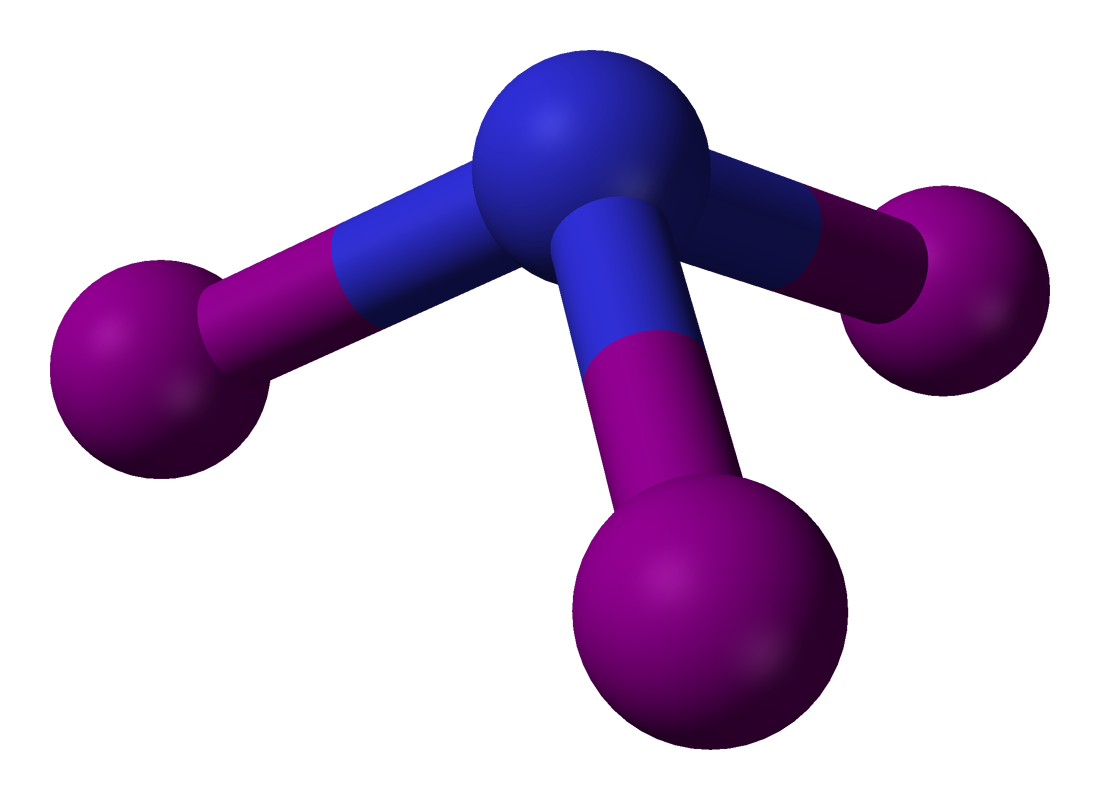


Preparation and chemical nature
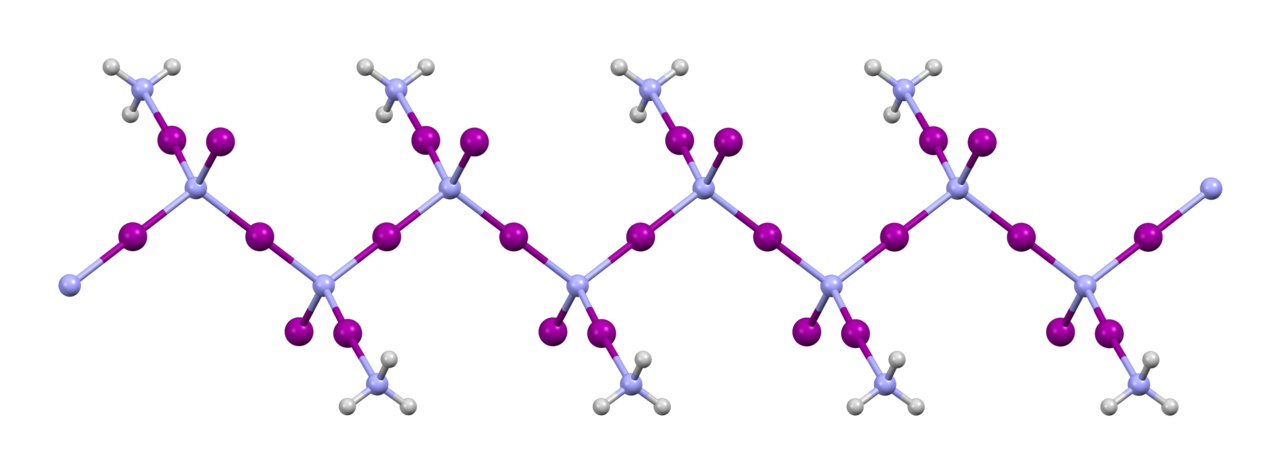
Typical laboratory preparations combine an iodine source with an ammonia-containing medium to form a dark, friable solid. In practice the precipitate is handled wet to reduce sensitivity; once dried it becomes dangerously unstable. The compound is often discussed as an adduct rather than a simple binary salt, and its reactivity reflects weak bonding and strained structural features that make mechanical initiation easy.
Physical characteristics and behaviour
Dry material appears dark and crystalline; when disturbed it decomposes violently with little warning. The decomposition releases gaseous products and a visible plume of irritating iodine vapour. Because the detonations are triggered by touch, friction, or even slight air currents, even small quantities present a significant risk. Wet samples are comparatively stable but must still be treated with extreme caution.
Uses, historical notes and distinctions
There are no meaningful industrial applications for nitrogen triiodide. Historically it has been prepared in classrooms or demonstrations to illustrate concepts of sensitivity and decomposition, though such demonstrations are now discouraged for safety reasons. It is often cited as an archetypal contact explosive and should be distinguished from less sensitive iodine compounds and from conventional explosives that require a detonator.
Hazards and safety
The principal danger is accidental detonation with resultant shrapnel, burns from iodine vapour, and inhalation of irritant gases. For further information about the reagents commonly used to form it, see ammonia and iodine. Due to the risks, synthesis and handling are limited to specialized settings with appropriate expertise; non‑specialists should not attempt to make or dry this material.
Related articles
Author
AlegsaOnline.com Nitrogen triiodide: properties, hazards, and history Leandro Alegsa
URL: https://en.alegsaonline.com/art/70382