
Nikolai Rimsky-Korsakov
Russian composer and master orchestrator (1844–1908), noted for vivid orchestral color, operas and suites such as Scheherazade, his textbook on orchestration, and his role as teacher and editor.
Overview
Nikolai Andreyevich Rimsky-Korsakov (18 March 1844 – 21 June 1908) was a Russian composer and pedagogue best known for his brilliant orchestral writing and operatic imagination. Born in the northwest of the Russian Empire and active in St. Petersburg, he combined an early career linked to the navy with a lasting contribution to Russian musical life as a member of the nationalist circle known as "The Five" and later as a teacher at conservatories.
Image gallery
10 Images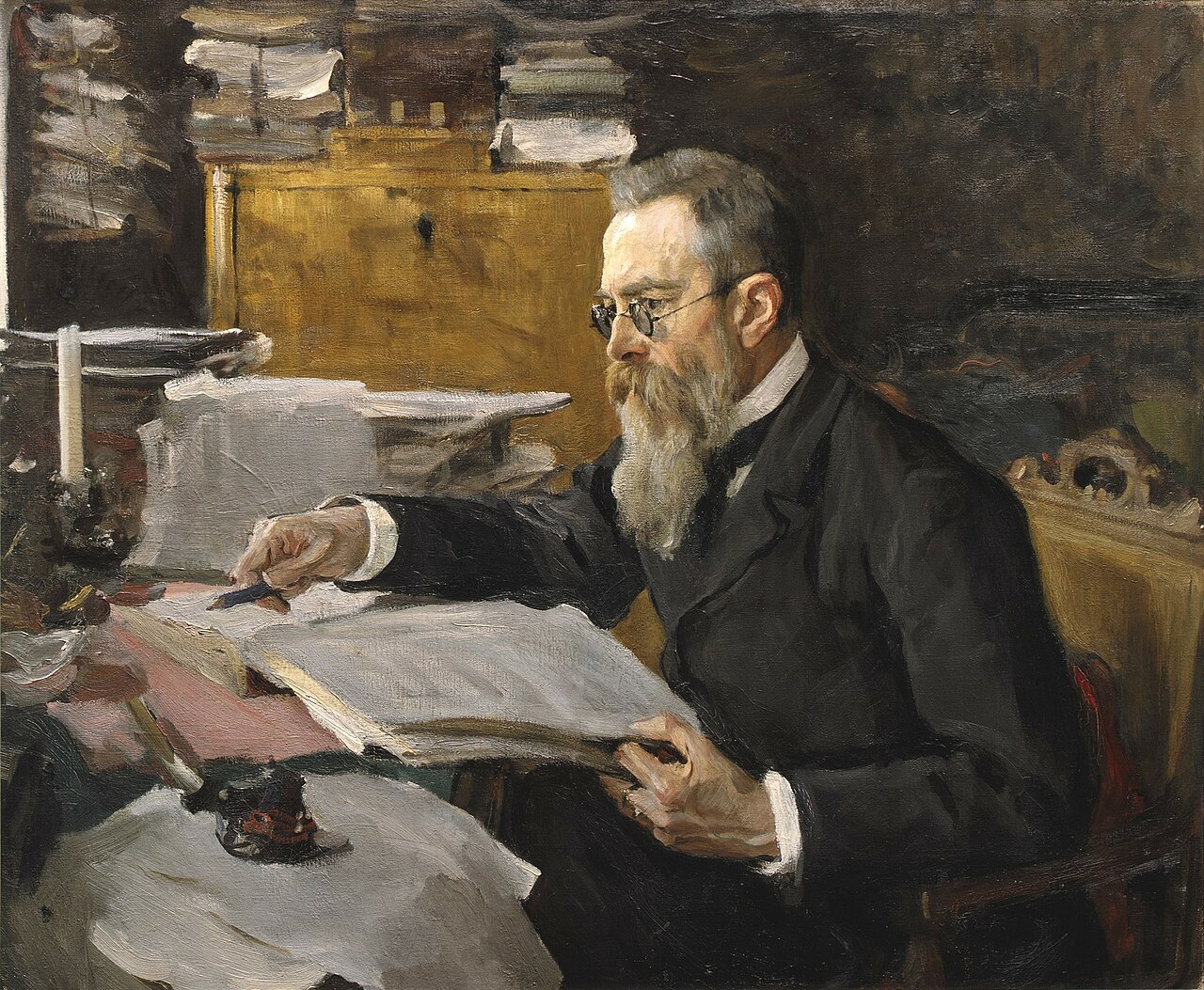




Style and musical characteristics
Rimsky-Korsakov is celebrated for colorful orchestration, clear textures and evocative tone-painting. He favored modal scales, folk-inspired melodies and exotic scales when depicting legends or distant lands. His scores exploit woodwind solos, shimmering strings and bright brass effects to create distinctive atmospheres — qualities that made him a model for other composers and arrangers (influenced generations). Though often described as an amateur in the sense that composition was not his first official career, his craft and professional output are unmistakably accomplished.
Major works and genres
Rimsky-Korsakov wrote extensively in several genres, including operas, orchestral music and songs. His operas draw on Russian folklore and literary sources, while his orchestral suites often paint narrative scenes. Representative works include:
- Scheherazade — the most famous orchestral suite, inspired by the tales in One Thousand and One Nights and notable for its violin solo representing the storyteller.
- The Snow Maiden and The Golden Cockerel — operas that blend myth, satire and vivid orchestral color.
- Symphonic suites and tone poems such as Capriccio Espagnol and Sadko, which showcase orchestral virtuosity and narrative force.
Career, teaching and editorial work
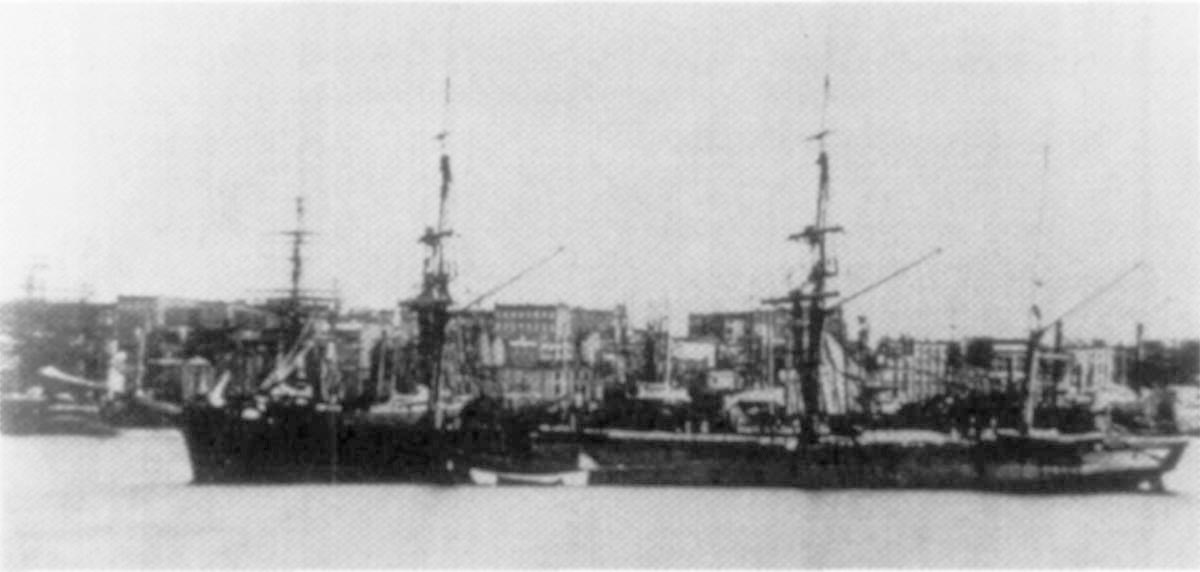
Although Rimsky-Korsakov began his adult life in naval service, he shifted toward music as his primary vocation. He became a respected teacher and wrote a widely used treatise on orchestration (Principles of Orchestration) that codified many effective techniques. He also edited and completed works by contemporaries, notably arranging and re-orchestrating several pieces by Modest Mussorgsky, which increased their accessibility and influenced how Russian music was heard abroad.
Subjects and cultural interests
Many of his scores draw on fairy-tale stories and legends, historical episodes and exotic literary sources. He sought to evoke narrative detail through instrumental color, turning brief motifs and orchestral gestures into vivid storytelling devices. His interest in folklore and orientalism informed both subject matter and technique, making his music particularly evocative in programmatic contexts.
Legacy and notable facts
Rimsky-Korsakov left a lasting legacy as a composer, orchestrator and teacher. His textbook and orchestral approach shaped 20th-century orchestration practice, and his works remain staples of the concert repertory. He helped bring unfinished or raw compositions into polished forms for performance, and his own music continues to be admired for its radiant sonic palette and narrative clarity.
More on his life | Influence and students | Early status | Naval service | List of operas | Orchestral works | Vocal music | Orchestration text | Folklore sources | Scheherazade | Mussorgsky editions
Questions and answers
Q: Who was Nikolai Rimsky-Korsakov?
A: Nikolai Rimsky-Korsakov was a Russian composer, born near Novgorod on 18 March 1844, and died in Lybensk, near St Petersburg, on 21 June 1908.
Q: What was Nikolai Rimsky-Korsakov's main job?
A: Nikolai Rimsky-Korsakov's main job was in the navy.
Q: Was Nikolai Rimsky-Korsakov a professional composer?
A: No, Nikolai Rimsky-Korsakov was an amateur composer.
Q: What was Nikolai Rimsky-Korsakov best known for?
A: Nikolai Rimsky-Korsakov is best known for his operas, orchestral music, and songs.
Q: What kind of music did Nikolai Rimsky-Korsakov like to write?
A: Nikolai Rimsky-Korsakov loved to write music about fairy-tale stories and legends.
Q: What is Nikolai Rimsky-Korsakov's most famous work?
A: Nikolai Rimsky-Korsakov's most famous work is Scheherazade, an orchestral piece which describes in music the stories told by Scheherazade in the book of One Thousand and One Nights.
Q: What did Nikolai Rimsky-Korsakov write an excellent book about?
A: Nikolai Rimsky-Korsakov wrote an excellent book about orchestration.
Related articles
Author
AlegsaOnline.com Nikolai Rimsky-Korsakov Leandro Alegsa
URL: https://en.alegsaonline.com/art/70202